-
We detected your language preference as English. Would you like to switch to the English version for a better experience?
Switch to English
Stay here


Glutathione (GSH), NAC, and NAD+ form a central triad in modern anti-aging biochemistry, driving mitochondrial redox balance, energy metabolism, and cellular repair. This article decodes their mechanistic roles in mitochondrial radical scavenging, age-dependent depletion kinetics, and precursor bioengineering strategies. It further evaluates formulation implications for nutraceutical and pharmaceutical brands seeking high-purity raw material sourcing and clinically defensible anti-aging claims in 2026’s competitive longevity market.

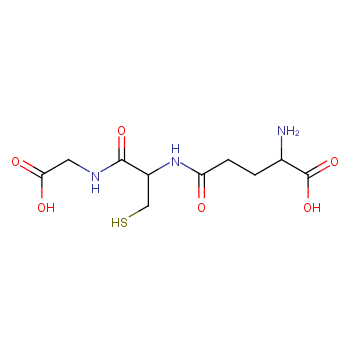
Glutathione (GSH), a tripeptide composed of γ-L-glutamyl-L-cysteinyl-glycine, is widely recognized as the “master intracellular antioxidant.” Within mitochondria, where up to 90% of reactive oxygen species (ROS) are generated via oxidative phosphorylation, GSH functions as a primary redox buffer maintaining cellular homeostasis.
Mechanistically, reduced glutathione (GSH) is oxidized by glutathione peroxidase (GPx) during detoxification of hydrogen peroxide (H2O2) and lipid hydroperoxides:
2GSH + H2O2 → GSSG + 2H2O
In mitochondria, this cycle prevents lipid peroxidation of cardiolipin, a phospholipid essential for electron transport chain stability. Studies published in Nature Reviews Molecular Cell Biology highlight that mitochondrial GSH pools are maintained via active transport through the 2-oxoglutarate carrier (OGC), emphasizing that exogenous supplementation must overcome membrane transport constraints.
Typical intracellular GSH concentration ranges from 1–10 mM, with mitochondrial matrix levels tightly regulated to prevent oxidative collapse.
Age-dependent depletion of glutathione is a well-documented biochemical phenomenon. Research indicates that after age 30, intracellular GSH levels decline by approximately 10%–15% per decade, driven by reduced activity of glutamate-cysteine ligase (GCL) and glutathione synthetase (GS), alongside cumulative mitochondrial DNA damage.
This decline disrupts redox signaling equilibrium, increasing susceptibility to oxidative stress, inflammation, and protein misfolding. In aging hepatocytes and neuronal cells, reduced NADPH availability further impairs GSH regeneration from oxidized glutathione (GSSG).
Dietary intake of sulfur-rich amino acids (e.g., cysteine and methionine) provides only partial compensation due to rate-limiting enzymatic bottlenecks and intestinal absorption constraints. This creates a functional “intracellular antioxidant deficit” that cannot be fully corrected through nutrition alone.
Expert Commentary: The biggest commercial mistake in anti-aging formulation is ignoring enzymatic decline kinetics. Brands often over-invest in dietary “antioxidant stacking” without addressing transcriptional downregulation of GCL and GS. Strategic positioning should focus on metabolic reactivation or precursor optimization rather than direct substitution alone.
N-acetylcysteine (NAC) is a clinically validated precursor of glutathione synthesis and functions as a rate-limiting substrate for intracellular cysteine availability. Unlike reduced glutathione, NAC demonstrates superior gastrointestinal stability and is less susceptible to enzymatic degradation by γ-glutamyl transpeptidase (GGT).
Once absorbed, NAC is deacetylated into L-cysteine, driving de novo synthesis of GSH via the γ-glutamyl cycle, effectively “refilling” intracellular antioxidant capacity.
Typical oral NAC exhibits bioavailability of 6–10%, but its functional impact on hepatic and pulmonary glutathione pools is significantly higher due to systemic redistribution.
L-glutamine primarily serves as an energy substrate for rapidly proliferating cells (e.g., enterocytes and immune cells) and contributes indirectly to glutathione synthesis via glutamate formation. However, its conversion efficiency into GSH is limited by enzymatic bottlenecks and nitrogen balance constraints.
In contrast, glutathione acts directly as an intracellular redox buffer without requiring upstream metabolic conversion, providing immediate antioxidant defense.
Expert Commentary: In formulation strategy, NAC and glutathione should not be viewed as competitors but as complementary nodes in a redox supply chain. High-performance anti-aging products increasingly combine NAC (upstream substrate provisioning) with liposomal or reduced GSH (downstream execution), improving both cost efficiency and biological response consistency.
NAD+ (nicotinamide adenine dinucleotide) and glutathione operate on distinct but interconnected axes of cellular longevity. NAD+ primarily regulates mitochondrial energy production and activates sirtuin deacetylases involved in DNA repair and metabolic regulation. Glutathione, by contrast, maintains redox balance and detoxifies reactive oxygen species.
This creates a functional dual-axis model:
Emerging 2026 formulation strategies emphasize synergistic co-supplementation rather than substitution, leveraging NAD+ boosters (e.g., NR, NMN) alongside glutathione precursors for full-spectrum mitochondrial optimization.
Expert Commentary: The industry is moving away from “single-molecule longevity” toward systems biology-based formulations. Combining NAD+ precursors with glutathione support creates a closed-loop mitochondrial maintenance system—energy generation plus oxidative protection. This dual strategy significantly improves product differentiation in saturated anti-aging markets.
Industrial-scale production of glutathione and NAC requires stringent quality control to ensure pharmaceutical-grade purity and regulatory compliance. High-purity L-glutathione reduced (GSH) typically requires ≥98.0% purity as measured by HPLC, with heavy metal content below 10 ppm and residual solvents within ICH Q3C limits.
Production methods such as microbial fermentation (yeast-based systems) and enzymatic synthesis significantly impact stereochemical purity and stability profiles.
Compliance frameworks such as USP Monograph for Glutathione, European Pharmacopoeia (Ph. Eur.), and ISO 9001/22000 are essential benchmarks for validating ingredient integrity.
Expert Commentary: Procurement teams often underestimate the impact of synthesis route variability on downstream formulation stability. Fermentation-derived glutathione consistently demonstrates superior enantiomeric purity and shelf-life stability, making it the preferred choice for high-end nutraceutical and injectable-grade applications.
Q1: Can oral glutathione effectively raise intracellular levels?
Oral glutathione has limited bioavailability due to enzymatic breakdown in the gastrointestinal tract. Liposomal or precursor-based delivery (e.g., NAC) is generally more effective for increasing systemic GSH levels.
Q2: Is NAC sufficient to replace glutathione supplementation?
NAC supports endogenous synthesis but does not replace glutathione directly. Optimal formulations often combine both approaches for synergistic redox support.
[1] Jones, D. P. et al. (2012). Redox Biology of Glutathione. Nature Reviews Molecular Cell Biology.
[2] Forman, H. J., Zhang, H. (2020). Glutathione: Overview of its protective roles. Free Radical Biology & Medicine.
[3] Samuni, Y. et al. (2013). N-acetylcysteine and intracellular redox regulation. Biochemical Pharmacology.
[4] Cantó, C., Auwerx, J. (2012). NAD+ metabolism and aging. Cell Metabolism.
[5] CAS Registry Database, American Chemical Society, Glutathione (CAS: 70-18-8).
[6] USP–NF Monograph: Glutathione, United States Pharmacopeia.
[7] ICH Q3C (R8): Impurities: Guideline for Residual Solvents.
Looking for stable, high-purity glutathione (GSH) and NAC raw materials with full GMP and pharmacopoeia compliance? Discover how leading nutraceutical and pharmaceutical brands secure consistent supply chains for next-generation anti-aging formulations.
 |
|
 |
 |
 |
 |
 EN
EN
 Agricultural News
 Food News
 Industrial News
 Cosmetic News
 Pharmaceutical News
 Science News

 2YRS
2YRS


Expert Commentary: From a formulation perspective, the biggest misconception is assuming oral glutathione directly translates to mitochondrial uptake. In reality, gastric enzymatic cleavage by γ-glutamyl transpeptidase (GGT) significantly reduces bioavailability. Leading manufacturers increasingly shift toward precursor-based delivery systems or liposomal encapsulation to bypass first-pass degradation. With 15+ years in raw material sourcing, I recommend prioritizing mitochondrial-targeted delivery technologies over simple dose escalation.