-
We detected your language preference as English. Would you like to switch to the English version for a better experience?
Switch to English
Stay here


Aerosol spray deodorants deliver fast-drying, residue-free protection — a key driver of the format's U.S. revival.
After more than a decade of losing shelf space to sticks, roll-ons, and natural pastes, spray deodorants are regaining momentum with U.S. consumers. The drivers are easy to understand: consumers are tired of white streaks on dark clothing, sticky underarm residue, and the wet feel of gels that take minutes to dry. A well-engineered aerosol or pump spray dries in seconds, leaves no visible residue, and delivers a clean, weightless finish that no other format matches. For personal care brands and contract manufacturers, this resurgence creates real technical questions: which antiperspirant active to use, how to balance hydrocarbon propellant systems against VOC rules, and how to keep an OTC drug product compliant in both the U.S. and the EU. This article breaks down the formulation science behind the modern spray deodorant — from active ingredient chemistry and propellant systems to comparative ingredient selection, processing SOPs, and the global regulatory landscape.
| Function | Target Applications | Key Specifications | Compliance Status |
|---|---|---|---|
| Antiperspirant active (sweat reduction + odor control) | Aerosol antiperspirant/deodorant sprays, APD aerosols, clinical protection lines | Aluminum chlorohydrate 2–25% active (21 CFR 350.10); hydrocarbon propellant blend (propane/isobutane/butane); anhydrous ethanol carrier | US: OTC drug under 21 CFR 350; EU: SCCS limit 10.70% Al in spray products |
| Non-AP deodorant (odor masking + microbial control) | Deodorant body mists, pump sprays, fragrance-layering sprays | Ethanol 50–75%; zinc ricinoleate 0.5–2% or triclosan (where permitted) up to 0.3%; D5 cyclomethicone for slip | US: cosmetic under FD&C Act/MoCRA; EU: cosmetic under Regulation 1223/2009 |
Understanding why sprays are re-winning consumers starts with the chemistry inside the can. A modern aerosol antiperspirant is a three-part system: an active ingredient that reduces sweat, a carrier solvent (usually anhydrous ethanol or a volatile silicone) that evaporates instantly, and a propellant — typically a liquefied petroleum gas (LPG) blend of propane, isobutane, and n-butane — that atomizes the concentrate into a fine, uniform mist. Dimethyl ether (DME) is increasingly used as a water-miscible alternative. When the valve opens, the propellant flashes to gas, shattering the liquid concentrate into droplets typically 20–60 microns in diameter — fine enough to coat the underarm evenly without wetness.
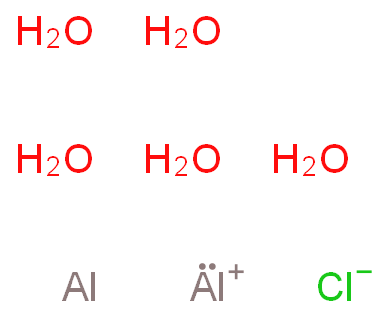
The dominant antiperspirant active in U.S. spray products is aluminum chlorohydrate (ACH), a polymeric aluminum hydroxide chloride with the empirical formula Al2(OH)5Cl. ACH is a pre-hydrolyzed, high-basicity (typically 80–90% basic) aluminum salt, which means it is already close to its final precipitated form and therefore far less irritating than aluminum chloride. On contact with the slightly acidic-to-neutral pH of the skin surface and the more buffered sweat itself, the polymer undergoes further hydrolysis, depositing a gelatinous aluminum hydroxide plug within the upper eccrine sweat duct:
The gel plug reduces sweat output mechanically — not by shutting down the gland — so the effect is fully reversible as the plug is naturally shed with stratum corneum turnover over several days. In aluminum zirconium actives (used in most "clinical" strength products), the zirconium species adds a cationic protein-binding component that can complex with ductal proteins, further reinforcing the plug. The small amount of HCl released is buffered by the skin's natural acid mantle and by buffering agents in the formula, which is why basicity control (Al:Cl ratio) is the single most important specification governing sting and irritation in spray antiperspirants.
Underarm odor is produced when skin bacteria — chiefly Corynebacterium and Staphylococcus species — metabolize odorless apocrine secretions into volatile fatty acids and thioalcohols. Deodorant sprays attack this at two levels: ethanol at 50–75% acts as an immediate bacteriostatic agent and carrier, while actives such as zinc ricinoleate — a zinc salt of ricinoleic acid derived from castor oil — complex with the malodorous fatty acid molecules and effectively "trap" them, neutralizing odor rather than merely masking it. Meanwhile, the rapid evaporation of ethanol (bp 78°C) and the propellant itself creates a mild cooling sensation and the signature "instant dry" feel, typically under 15 seconds — the sensory benefit at the heart of the spray format's comeback.
Not all actives are created equal, and format constraints matter — an active that performs beautifully in a stick can cloud, settle, or corrode a can in a spray system. The industry divides underarm actives into four principal families, each with distinct chemistry, regulatory status, and sensory trade-offs. For a broader overview of the category, see Guidechem's antiperspirant actives encyclopedia entry.
This class includes aluminum chloride (the original, highly acidic antiperspirant), aluminum chlorohydrate (ACH), aluminum dichlorohydrate, and aluminum sesquichlorohydrate. All work by the hydroxide-gel plugging mechanism described above. ACH dominates sprays because its high basicity (low acidity) minimizes sting on freshly shaved skin, it is compatible with anhydrous ethanol systems, and it is explicitly permitted by the FDA OTC antiperspirant monograph at effective concentrations. Limitations: it can contribute to fabric yellowing when it complexes with sebum and detergent residues, and higher concentrations can leave a faint white powder cast — mitigated in sprays by the fine, low-deposit application.
Aluminum zirconium tetrachlorohydrate and its glycine-complexed forms — such as aluminum zirconium tetrachlorohydrex GLY — combine the aluminum plug mechanism with zirconium's stronger protein reactivity for measurably higher sweat reduction. In the U.S. they are allowed only in aerosol, roll-on, and stick products per 21 CFR 350.10 (specifically not in plain pump sprays due to inhalation considerations), and the EU prohibits zirconium in aerosol antiperspirants altogether. They typically deliver better efficacy at lower active loads but have a higher sting potential on compromised skin.
Zinc ricinoleate, zinc oxide, and zinc phenolsulfonate neutralize odor molecules by chelation and adsorption rather than reducing sweat. They are ideal for "deodorant-only" body mists where the consumer wants freshness without aluminum. Zinc ricinoleate is non-antimicrobial per se, which makes it attractive for formulations marketed as gentle or microbiome-friendly. Limitation: zero sweat reduction, and odor trapping saturates at high bacterial load.
Triclosan (triclosan CAS 3380-34-5) was once the workhorse deodorant bacteriostat but has been discontinued by most U.S. brands following FDA rulemaking on OTC antiseptic active ingredients (2016) and is restricted to 0.3% max in EU cosmetics with environmental scrutiny. Natural-positioned sprays now use potassium alum (an astringent mineral salt with mild plug-forming activity), sodium bicarbonate, or hops-derived antimicrobials — all with modest efficacy and, for alum and bicarbonate, real irritation or pH-shift concerns in sensitive-skin users.
The table below compares the leading candidates across the properties that matter most in aerosol and pump-spray underarm products: solubility in the anhydrous or hydroalcoholic concentrate, can stability, sensory profile, and regulatory headroom.
| Ingredient (INCI) | CAS No. | Solubility / Vehicle Fit | Can & Skin Stability | Sensory / Efficacy | Typical Spray Applications |
|---|---|---|---|---|---|
| Aluminum Chlorohydrate | 1327-41-9 | Water-soluble 38–40% solutions; powder forms for anhydrous ethanol/propellant systems | Excellent; low acidity minimizes corrosion and sting | Low residue, fast dry; moderate sweat reduction | Aerosol AP/deodorant sprays (U.S. market standard) |
| Aluminum Zirconium Tetrachlorohydrex GLY | 134910-86-4 | Soluble in water/glycol; fine-particle grades for suspension aerosols | Good; higher acid potential requires buffering | Highest sweat reduction; slight sting on shaved skin | Clinical aerosols, U.S. only (EU prohibits Zr in aerosols) |
| Aluminum Chloride | 7446-70-0 | Highly water-soluble; incompatible with anhydrous LPG systems | Poor; very acidic (corrosive to cans, fabric damaging) | Strong efficacy but high irritation | Aqueous "clinical strength" roll-ons, not sprays |
| Zinc Ricinoleate | 13040-19-2 | Oil/ethanol-soluble; ideal for hydroalcoholic mists | Excellent; non-corrosive and non-irritating | Excellent odor trapping; no sweat reduction | Deodorant body sprays, aluminum-free lines |
| Triclosan | 3380-34-5 | Soluble in ethanol and oils; easy to formulate | Good chemical stability | Effective bacteriostat; environmental persistence concerns | Legacy deodorant sprays; being phased out |
| Potassium Alum | 7784-24-9 | Water-soluble only; cloudy in hydroalcoholic sprays | Fair; recrystallization can clog valves | Mild astringency; modest odor control | Natural crystal sprays (niche) |
In practice, most U.S. aerosol antiperspirants standardize on ACH powder in an ethanol/propellant concentrate — the formulation sweet spot that 21 CFR 350.10 explicitly permits — while body mists lean on ethanol plus zinc ricinoleate or pure fragrance. Solvent choice matters as well: propylene glycol is often added at 1–5% as a solubilizer and humectant to counteract ethanol's drying effect on skin. For more background on aerosol propellant technology, consult Guidechem's aerosol propellants resource.
A competitive spray deodorant is won or lost in the details of concentration, propellant ratio, and fill process. The following reference formulation and procedure reflect standard industry practice for an ACH-based aerosol antiperspirant.
| Phase | Ingredient | % w/w | Function |
|---|---|---|---|
| A | Anhydrous ethanol (SD-40B, 200 proof) | 45.00 | Carrier; rapid evaporation; bacteriostat |
| A | Aluminum chlorohydrate (powder, high basicity) | 18.00 | Antiperspirant active |
| A | Propylene glycol | 3.00 | Humectant; active wetting |
| A | Isopropyl myristate | 2.00 | Emollient; anti-whitening |
| A | Talc (magnesium silicate, fine) | 1.00 | Opacifier; slip |
| A | Fragrance (alcohol-soluble) | 1.00 | Odor masking |
| B | Hydrocarbon propellant A-46 (isobutane/propane blend) | 30.00 | Propellant; mist atomization |
Antiperspirants occupy an unusual regulatory position: they are drugs in the U.S. but cosmetics in the EU, and the spray format adds aerosol-specific rules on top. The table below summarizes the status of the key actives and format requirements across major jurisdictions.
| Jurisdiction | Product Classification | Key Actives & Limits | Format / Labeling Requirements |
|---|---|---|---|
| United States (FDA) | Antiperspirants = OTC drugs (deodorants = cosmetics; MoCRA facility registration applies) | 21 CFR 350.10: aluminum chlorohydrate 2–25% (aerosol), aluminum zirconium complexes permitted in aerosols with glycine; Al chloride 2–15% aqueous only | Drug Facts labeling (21 CFR 201.66); "ask a doctor" for kidney disease; net contents per 16 CFR 500 |
| European Union | Cosmetics under Regulation (EC) 1223/2009 (no AP drug category) | SCCS opinion (SCCS/1636/18, 2019): aluminum safe up to 10.70% Al in spray products and 6.25% in non-spray; zirconium prohibited in aerosol antiperspirants (Annex II); triclosan max 0.3% in deodorants (Annex V/25) | Aerosol Dispensers Directive 75/324/EEC (now 2014/28/EU) — CE marking, fill limits, pressure test; Cosmetics Europe recommendation against aluminum in sprays at high levels |
| California / U.S. States | Consumer product + air quality rules | CARB Antiperspirant and Deodorant VOC limits (17 CCR 94508 et seq.): low-VOC or VOC-exempt propellant formulations (e.g., HFC-152a, DME blends) required | "Flammable" warning per FHSA 16 CFR 1500; states may add propellant restrictions |
| Canada (Health Canada) | Antiperspirants = OTC drug, Natural Health Products possible for alum | Aluminum chlorohydrate up to 20% in aerosols (Antiperspirant Monograph) | Bilingual drug facts labeling; aerosol rules under Canada Consumer Product Safety Act |
| Quality / Safety Standards | Industry standards | CIR: aluminum chlorohydrate and related aluminum salts "safe as used" in current practices; USP monograph for Aluminum Chlorohydrate; ISO 22715 (antiperspirant efficacy testing); ISO 24444 (SPF/UVA not applicable but GMP per ISO 22716) | ISO 22716 GMP; USP <61>/<62> microbiology; ASTM D3065 (aerosol flammability) |
Consumers increasingly prioritize speed and cleanliness in personal care. Sprays dry in under 15 seconds, leave virtually no residue on skin or clothing, feel hygienic because nothing touches the skin except mist, and are ideal for reapplication over clothing during the day. Improvements in propellant technology (drier, finer mists with less cold-shot) and alcohol-free and aluminum-free variants have removed the historical objections of sting and flammability perception, letting the format compete again with sticks and roll-ons.
Yes, according to both the U.S. FDA, which permits ACH in OTC antiperspirant aerosols under 21 CFR 350.10, and the EU Scientific Committee on Consumer Safety, which concluded in its 2019 opinion (SCCS/1636/18) that aluminum compounds are safe at up to 10.70% aluminum content in spray products — a level above typical commercial formulas. The Cosmetic Ingredient Review likewise assessed aluminum chlorohydrate as safe as used. Systemic aluminum absorption from antiperspirant use is minimal; concerns linking aluminum to breast cancer or Alzheimer's disease have not been supported by major epidemiological reviews.
Yellow staining is not caused by the aluminum alone — it forms when aluminum salts bind with sebum lipids and certain detergent/surfactant residues during laundering, creating a persistent yellow complex on cotton fibers. Sprays deposit far less active than sticks, which is one of their advantages. To minimize staining further, formulators use high-basicity ACH, include anti-stain esters like isopropyl myristate, and keep talc levels low; consumers can reduce it by letting the product dry fully before dressing and washing with enzyme-containing detergents.
An antiperspirant spray is an OTC drug in the U.S.: it contains an FDA-monographed aluminum active that physiologically reduces sweat by plugging eccrine ducts, and it must carry Drug Facts labeling. A deodorant body spray is a cosmetic: it relies on ethanol, antimicrobials, or odor absorbers such as zinc ricinoleate to control bacterial odor but does not reduce perspiration. The two are frequently confused by consumers, and mislabeling a deodorant with antiperspirant claims is a common FDA warning-letter trigger.
 |
 |
|
 EN
EN
 Agricultural News
 Food News
 Industrial News
 Cosmetic News
 Pharmaceutical News
 Science News

 1YR
1YR


