-
We detected your language preference as English. Would you like to switch to the English version for a better experience?
Switch to English
Stay here


Sebacic acid, also known as decanedioic acid, is a significant organic compound with various applications across different fields. Its unique properties and versatile uses play vital roles in industrial production and laboratory research. This article will explore the uses of sebacic acid in various fields, providing readers with a comprehensive understanding of its applications and importance.

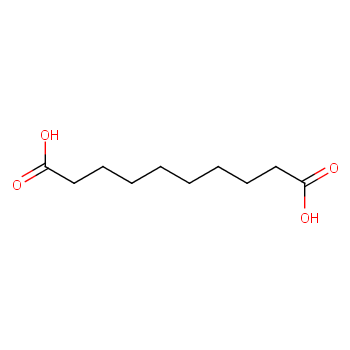
What is sebacic acid used for? Sebacic acid, also known as decanedioic acid, sebacate, or 1,10-decanedioic acid, is a saturated dicarboxylic acid with ten carbon atoms. Its molecular formula is C10H18O4, and its structural formula is HOOC(CH2)8COOH. It exhibits the chemical properties of a saturated dicarboxylic acid, reacting with bases to form salts and with alcohols to form dicarboxylic acid esters.
Sebacic acid finds wide applications in the preparation of sebacate esters such as dibutyl sebacate, dihexyl sebacate, and diisobutyl sebacate. Hexanedioic acid can act as a plasticizer for plastics and cold-resistant rubber, and it is also used in the production of polyamides, polyurethanes, alkyd resins, synthetic lubricants, lubricant additives, fragrances, coatings, cosmetics, and more. It serves as a raw material for the production of nylon 1010, nylon 910, nylon 810, nylon 610, nylon 9, and high-temperature lubricating oil diethylhexyl sebacate. Sebacic acid is also utilized in the production of alkyd resins (used as surface coatings, plasticized nitrocellulose coatings, and urea resin varnishes), polyurethane rubber, cellulose resin, vinyl resin, as well as synthetic rubber plasticizers, softeners, and solvents.
Sebacic acid is obtained from both natural and synthetic sources.
- Natural Sources:
- Castor oil: Sebacic acid is commonly derived from castor oil through chemical processes involving the decomposition of ricinoleic acid, the primary component of castor oil.
- Synthetic Sources:
- Decane: Decane, a bicyclic hydrocarbon, can be converted into sebacic acid through multistep chemical processes. While less common than castor oil-based methods, this approach can produce high-purity sebacic acid.
Although research on the benefits of sebacic acid for the skin is limited, it does have some promising properties that can be used in certain skincare products.
(1) Benefits of Sebacic Acid for the Skin
Hydration: Sebacic acid can form copolymers with other ingredients. These copolymers help to create a film on the skin surface, acting as a barrier. This barrier helps to prevent moisture loss, potentially benefiting those with dry skin.
(2) Sebacic Acid Uses in Skincare Products
Points to Consider: More research is needed to determine the effectiveness of sebacic acid in treating specific skin issues. Sebacic acid is often used in combination with other ingredients, making it difficult to isolate its specific effects. For example, octanoyl glycerin/sebacic acid copolymer. Octanoyl glycerin/sebacic acid is a copolymer derived naturally or synthetically, which can replace silicone products. Typically, octanoyl glycerin is obtained from coconut oil, while sebacic acid is derived from castor oil. Thus, it has more pronounced stability and resistance to lipid oxidation. It can have a longer shelf life. It is related to the moisture balance on the skin surface, forming a occlusive barrier on the skin, maintaining moisture, thus helpful for dry skin. Due to its resistance to lipid oxidation, it can be used as an alternative to plant oil/polyisobutene/silicone/esters. It also does not have any rancid or strong odors associated with such oils. It is suitable for lipsticks, lip glosses, and other cosmetics dispersed with colorants. It also has higher pigment dispersion capabilities.
- Molecular Formula: C10H18O4 /HOOC(CH2)8COOH
- Molecular Weight: 202.3
- Boiling Point (13.3kPa): 294°C
- Melting Point: 131°C
- Density: 1.2 g/cm3
- Solubility in water: 0.1 g/100ml (poor)
- Flash Point: 220°C
- Octanol/Water Partition Coefficient Log Kow: 2.2
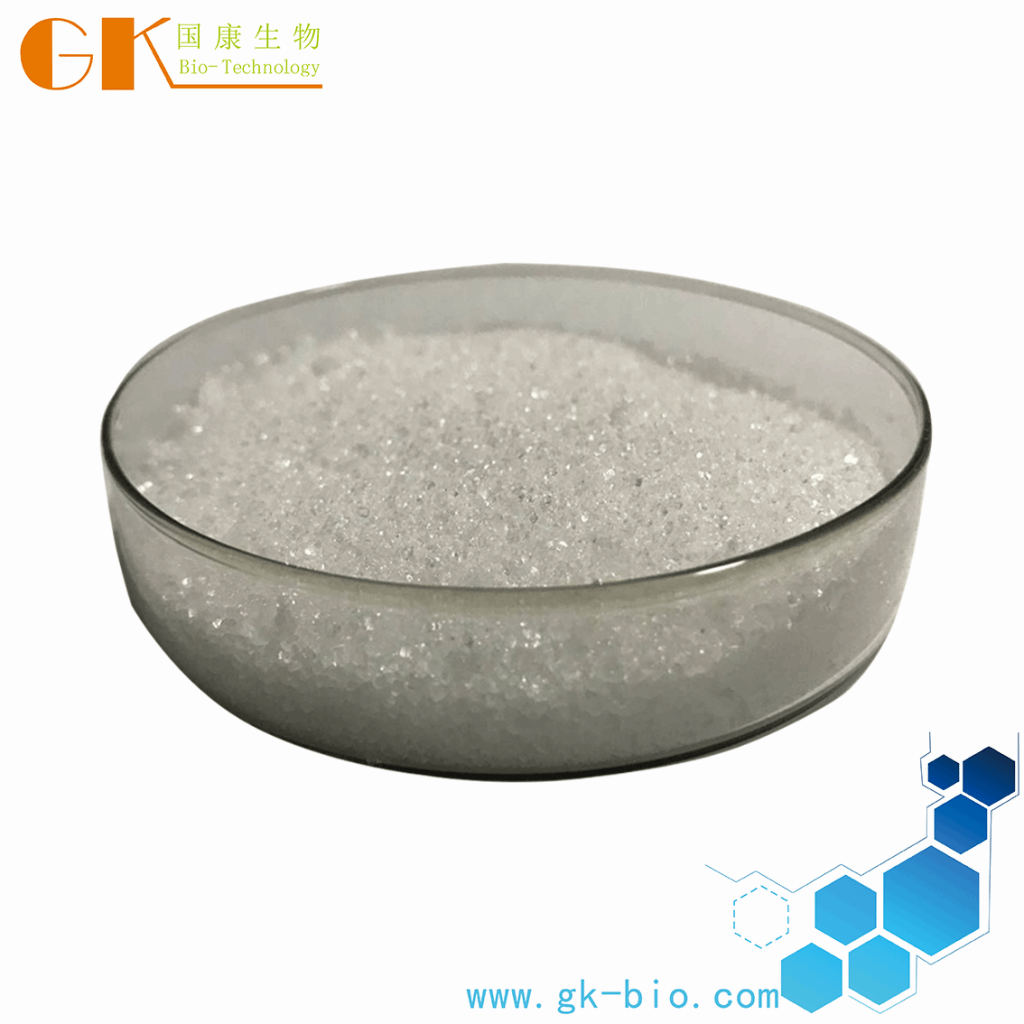
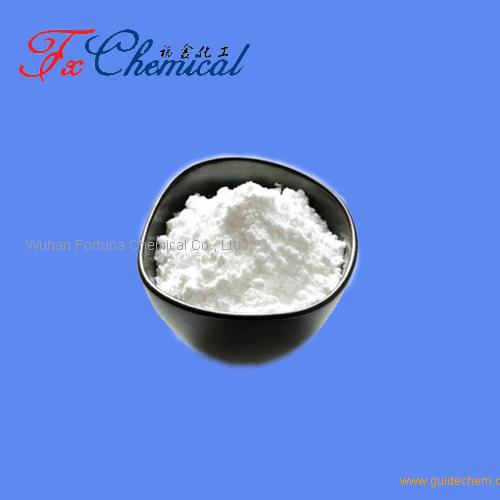
- Physical State: White powder with a characteristic odor
Properties that confer flexibility include excellent lubrication, low-temperature flowability, higher thermal stability, high flash point, and low pour point.
- Industrial:
- Monomers: Used in the manufacture of nylon, such as nylon 610, for textiles and engineering plastics.
- Plasticizers: Enhance the elasticity and workability of plastics, used in products like wires and cables.
- Lubricants and Corrosion Inhibitors: Improve lubrication and protect metals from rust in engine coolants and metalworking fluids.
- Hydraulic Fluids: Essential components of fluids transmitting power in hydraulic systems.
- Paints and Coatings: Intermediate for producing paints and coatings.
- Cosmetics:
- pH Buffer: Maintains the required acidity levels in skincare and makeup products.
- Chemical Intermediates:
- Used in the manufacture of sebacic acid esters, adding various properties to cosmetics, such as moisturizing, film-forming, and hair/skin conditioning.
While not currently approved for medical use, research has explored its potential in various applications:
- Drug Delivery Systems: Sebacic acid can be used to create carriers for targeted drug delivery, potentially improving the effectiveness of drug delivery to specific body areas.
- Biodegradable Implants: Due to its biodegradability, sebacic acid is being investigated for use in implants that naturally degrade in the body after performing their function, eliminating the need for a second surgery to remove the implant.
- Anti-inflammatory: Sebacic acid may help regulate certain immune cells involved in inflammation, potentially benefiting conditions like eczema and psoriasis.
More research is needed to confirm these potential benefits of sebacic acid and determine its safety and efficacy for topical use.
Sebacic acid is generally considered a low-hazard substance, but precautions should still be taken when handling it.
- Inhalation: Inhaling sebacic acid dust can irritate the respiratory tract.
- Skin Contact: Sebacic acid dust can cause mechanical irritation to the skin.
- Eye Contact: Sebacic acid dust can irritate the eyes.
- Ingestion: Ingesting sebacic acid may be harmful.
- Sebacic acid is also flammable, but not easily spread flames. However, finely dispersed sebacic acid particles can form explosive mixtures in the air. When handling sebacic acid, avoid open flames and prevent dust deposition. Use closed systems, dust-proof and explosion-proof electrical equipment, and lighting.
- Inhalation: Use local exhaust ventilation.
- Skin: Wear protective gloves.
- Eyes: Wear safety goggles.
- Ingestion: Do not eat, drink, or smoke during work.
- Inhalation: Move to fresh air, rest.
- Skin: Wash thoroughly, then wash skin with water and soap.
- Eyes: Rinse with plenty of water (if possible, remove contact lenses).
- Ingestion: Rinse mouth.
Through this introduction, we have gained a comprehensive understanding of the wide-ranging applications of sebacic acid in various fields. As an important organic compound, sebacic acid plays crucial roles in chemical, medical, and cosmetic industries. Its solvent properties, surfactant characteristics, and versatility as a synthetic raw material establish its significant position in industrial production and laboratory research. By learning about the uses of sebacic acid, we not only understand the diversity and importance of this compound but also expand our knowledge of organic compounds' applications in different fields.
[1] Yu Siyuan. Research on improvement of sebacic acid preparation process[D]. North China University, 2020.DOI:10.27470/d.cnki.ghbgc.2020.000081.
[2]https://webapps.ilo.org/dyn/icsc/showcard.display?p_lang=en&p_card_id=1685&p_version=2
[3]https://www.ebi.ac.uk/chebi/searchId.do?chebiId=41865
[4]https://hmdb.ca/metabolites/HMDB0000792
[5]https://www.atamanchemicals.com/sebacic-acid_u27084/
[6]https://www.lesielle.com/us/capryloyl-glycerin-sebacic-acid-copolymer-in-skincare-what-is-inci-345
[7]https://www.silverfernchemical.com/products/sebacic-acid/
|
 |
 |
 |
 EN
EN
 Agricultural News
 Food News
 Industrial News
 Cosmetic News
 Pharmaceutical News
 Science News

 6YRS
6YRS

