In the second quarter of 2025 (April 1 – July 31), the global aspirin market experienced notable structural shifts. Total export volume reached approximately 471.6 MT, representing a sharp decline of around 66% compared with the same period last year, driven primarily by a drop in Asian exports, where China’s shipments fell from 489.9 MT to just 65.9 MT. Meanwhile, global imports totaled roughly 954.0 MT, with Central America and Asia accounting for the largest shares. The weighted average aspirin price (VWAP) showed regional differentiation, with Asia averaging USD 10.32/kg and Central America USD 14.79/kg, reflecting overall stability with slight upward pressure. China (~70%), India (~10%), and Brazil (~10%) were the leading exporters, while Mexico (~24%), India (~18%), and China (~15%) represented the top import destinations.

On the supply side, although Asian export volumes contracted, transaction counts increased, indicating a shift toward more frequent, smaller, and higher-value shipments. Central and South American suppliers maintained stable or small-batch high-frequency output, providing flexibility and resilience to global procurement. On the demand side, India and other Asian markets continued to show steady growth, largely driven by pharmaceutical applications and preventive healthcare, while North America and Europe sustained high-value but lower-volume imports. These dynamics suggest that supply-demand balance is increasingly influenced by quality-focused exports and regional consumption patterns.
Market risks remain, particularly the high concentration of exports in China and India, which could expose buyers to regulatory, logistical, and currency fluctuations. However, opportunities are emerging as demand in India and other developing regions rises, and the market shifts toward high-value, formulation-ready aspirin products. Smaller, frequent shipments from Central and South America also provide strategic procurement windows for agile buyers. Understanding these trends is critical for stakeholders aiming to navigate price volatility and optimize supply chains effectively.
For readers seeking deeper insights, this aspirin market report provides a comprehensive analysis of global trade flows, regional pricing, and emerging opportunities, offering actionable guidance to optimize sourcing strategies, manage risk, and capture value in an evolving aspirin market size. Explore the full report to uncover detailed regional breakdowns, supplier recommendations, and pricing forecasts that can inform procurement decisions immediately.
Aspirin Export Market Analysis
From Q2 2024 to Q2 2025, the global aspirin export market experienced significant structural changes. Asia — historically the dominant supplier — saw its export volume decline sharply from 489.9 MT in Q2 2024 to just 65.9 MT in Q2 2025. Meanwhile, Central America maintained a consistent contribution, with exports of 290.0 MT in Q2 2024 and 115.7 MT in Q2 2025. South America remained active through frequent small shipments, even though the overall tonnage was negligible. This trend indicates a shift from bulk shipments toward more diversified, small-batch exports.
Despite the contraction in physical volume, total export value increased. Asian exports in Q2 2025 generated nearly USD 4.93 million at an average price of USD 74.83/kg, compared with USD 4.49 million at USD 9.16/kg a year earlier. This demonstrates a clear pivot toward higher-value consignments, particularly powder aspirin aimed at pharmaceutical formulations. Price dynamics were influenced by upstream salicylic acid costs, global freight volatility, and pre-emptive stockpiling in Asia and North America. Trade activity also reflects this transformation, with transaction counts in Asia rising to 531 in Q2 2025 from 461 in the same quarter of 2024. Central America recorded 18–32 shipments quarterly, while South America completed 62–74 small deals, highlighting the increasing preference for value-added exports.
Chart: Top 10 Countries for Calcium chloride Exports 2022-2024 (Note: China leads with 70% of global aspirin trade activity, followed by India ~10%)
Regional and Country Structure
Asia continues to lead global aspirin exports in both value and activity, though shrinking tonnage points to tighter compliance requirements and rising unit costs. India plays a dual role as a major exporter and a downstream consumer hub, central to global market flows.
Breaking down by region, Central America remains a reliable mid-scale supplier with consistent export volumes (Q2 2024: 290.0 MT; Q2 2025: 115.7 MT), while South America maintains market presence through high-frequency, low-volume shipments (Q2 2024: negligible tonnage but 64 trades; Q2 2025: negligible tonnage but 74 trades). Europe, which appeared in Q2 2024 with limited high-value consignments (10.8 MT, 4 trades), has largely retreated from the market in recent periods.
Which countries export the most Aspirin?
China (Asia) – ~531 trades (~70% of total)
India (Asia) – significant contributor (~10%)
Mexico (Central America) – ~18 trades (~3%)
Brazil (South America) – ~74 trades (~10%, negligible volume)
Other Asian exporters (e.g., smaller suppliers in South Korea, Singapore) – frequent but lower-volume contributors
Overall, while Asia dominates, Central and South America, along with minor Asian exporters, create a more resilient, if evolving, global export landscape.
Chart: Quarterly Calcium chloride Exports by Region (MT) (Note: Asia's export volume dropped from 489.9 MT in Q2 2024 to 65.9 MT in Q2 2025; Central America steady around 290–115.7 MT; South America negligible tonnage but increasing trade frequency; Europe minor with 10.8–32 MT; data reflects Q2 2024 and Q2 2025 shipments and number of trades per region)
Strategic Recommendations for Aspirin Market Participants (Q2 2025)
For Buyers (Importers)
-
Diversify Supply Sources to Mitigate Concentration Risks
Given the significant decline in China's aspirin export volume (from 489.9 MT in Q2 2024 to 65.9 MT in Q2 2025), buyers should consider diversifying their supply sources. Developing alternative channels in Central and South America can help mitigate risks associated with over-reliance on a single region.
-
Establish Long-Term Contracts to Manage Price Volatility
The Indian aspirin market is experiencing steady growth, with projections indicating an increase from USD 55.41 million in 2024 to USD 70.12 million by 2030, growing at a CAGR of 4.08%. Buyers should consider locking in long-term procurement contracts with Indian suppliers to protect against potential price fluctuations and supply chain disruptions.
-
Focus on High-Value Products to Capture Added Value
In Q2 2025, the average price of aspirin in India reached USD 2,965/MT, reflecting a shift towards higher-value products. Buyers should prioritize sourcing powder aspirin from exporters that offer high-quality, formulation-ready products to meet the growing demand in pharmaceutical applications.
-
Implement Flexible Contract Terms to Adapt to Market Changes
Given the volatility in global freight costs and potential regulatory changes, buyers should negotiate contracts that include flexible delivery schedules and inventory management clauses. This approach will help adapt to market fluctuations and ensure a steady supply of aspirin.
For Suppliers (Exporters)
-
Capitalize on the Growing Indian Market
The Indian aspirin market is expanding, with projections indicating an increase from USD 55.41 million in 2024 to USD 70.12 million by 2030. Suppliers should focus on meeting the specific needs of the Indian market, offering products that align with local demand and regulatory requirements.
-
Enhance Product Offerings with Value-Added Features
To differentiate themselves in the competitive market, suppliers should consider offering powder aspirin with added value, such as enhanced bioavailability or specialized formulations. This approach can attract buyers seeking premium products for pharmaceutical applications.
-
Strengthen Compliance and Certification Processes
Suppliers should ensure that their products meet international quality standards and obtain necessary certifications. This will build trust with buyers and facilitate entry into regulated markets.
-
Develop Strategic Partnerships in Emerging Markets
Suppliers should explore opportunities for strategic partnerships in emerging markets, particularly in Central and South America, to expand their reach and diversify their customer base.
Aspirin Import Market Analysis
The global import market for aspirin demonstrates a nuanced picture in Q2 2025, with trends varying across import volumes, pricing, and trade activity. In terms of volume, Asia leads with 163.85 MT imported across 171 transactions, while Central America maintains the highest overall import weight at 491.55 MT but fewer trading partners. South America and Africa show moderate import activity, reflecting diverse sourcing strategies across continents.
Pricing dynamics reveal interesting contrasts. The price of aspirin in the Indian market and broader Asian destinations averages around USD 10.32 per kilogram, showing a moderate increase compared to the previous quarter. Central and South America report higher unit prices, influenced by smaller shipment sizes and specific supplier arrangements. Europe continues to reflect stable pricing for smaller, regulated consignments.
Trade activity remains robust, with buyers and importers engaging in both high-frequency, lower-volume transactions in Asia and high-volume, less frequent imports in Central America. The diversity of trading patterns indicates that aspirin supply chains are adapting to both regional demand fluctuations and global market pressures.
Chart:
Top 10 Countries for Aspirin Imports 2023–2025
Note: Asia and Central America dominate import volumes, while Europe and Africa maintain smaller but strategically significant import flows.
Regional and Country Structure
Asia remains the central hub for aspirin imports, with India, China, and Japan leading in both import weight and transaction counts. In Central America, Mexico and Costa Rica consistently account for a large share of imports, reflecting concentrated demand from pharmaceutical and healthcare industries. South American markets, particularly Brazil and Argentina, contribute smaller yet notable volumes. Europe’s import activity is limited but highly regulated, with Germany and France representing the top destinations.
Which countries import the most Aspirin?
Top 5 countries by import volume or number of transactions in Q2 2025 are as follows
| Country |
Import Volume (MT) |
Share of Total Transactions |
| Mexico |
491.55 |
24% |
| India |
163.85 |
18% |
| Brazil |
108.79 |
12% |
| China |
163.85 |
15% |
| Argentina |
108.79 |
10% |
The concentration of imports in a few countries highlights both opportunities and potential compliance risks. Countries with high transaction volumes like Mexico and India may face regulatory scrutiny, while smaller-volume destinations present opportunities for strategic expansion. Diversifying sourcing and monitoring import compliance are recommended to mitigate supply chain risks.
Chart:Quarterly Aspirin Imports by Region (MT)
Note: Central America maintains the largest import weight, followed by Asia. Europe and Africa exhibit stable but lower-volume imports.
Business Recommendations
For Buyers (Importers)
- Leverage Price Fluctuations for Strategic Procurement: In Q2 2025, the price of aspirin varied across regions. For instance, the U.S. market reached USD 3,023/MT in June, China’s market was USD 2,563/MT, while the aspirin in Indian market was priced at USD 2,965/MT. Buyers are advised to purchase during price dips to optimize procurement costs.
- Monitor Supply Chain Risks: China experienced price drops in Q2 due to weaker demand and port congestion. The Indian market remained relatively stable, but uncertainties in global trade policies could impact supply. Buyers should prioritize supply chain stability to avoid disruptions.
- Establish Long-Term Supplier Relationships: Given market volatility, forming long-term partnerships with reliable suppliers ensures steady supply amid fluctuating prices and potential supply chain challenges.
For Suppliers (Exporters)
- Implement Flexible Pricing Strategies: Market price fluctuations call for suppliers to adjust pricing according to demand and inventory conditions, maintaining competitiveness.
- Optimize Inventory Management: To avoid losses from overstocking during periods of uncertain demand, suppliers should strategically manage inventory levels.
- Expand Market Channels: Suppliers should diversify their markets, targeting regions with growing demand while reducing reliance on a single market, including leveraging emerging opportunities in the Indian market.
Price (Aspirin Prices Q2 2025)
In Q2 2025, global aspirin prices experienced moderate fluctuations across regions. Asia, historically a major sourcing region, maintained relatively stable weighted average prices, while regions like South America and Central America saw noticeable declines compared to the previous year.
- Asia: Weighted average price per kg increased slightly to $10.32, reflecting steady demand in India and neighboring markets.
- South America: Prices decreased to $16.17/kg, with lower export volumes from major suppliers.
- Europe: Prices softened to $3.02/kg, due in part to increased competition and imports from lower-cost regions.
- North America: Data remains incomplete for pricing, but trade volumes indicate continued high demand, particularly in the USA.
- Africa: Weighted average price stood at $5.49/kg, showing moderate price stability.
- Central America: Prices declined to $14.79/kg, affected by variations in bulk import volumes.
Overall, the aspirin price trend shows regional disparities driven by supply, regulatory factors, and local demand patterns. For instance, the aspirin price in India has slightly increased due to domestic demand growth, while the aspirin price in philippines remains competitive given import availability. The aspirin price in the USA continues to reflect large-scale procurement but is sensitive to global supply shifts. Meanwhile, the aspirin price UK remains influenced by European import dynamics.
Regional Average Prices (Q2 2025)
| Region |
Quantity (kg) |
Total Value (USD) |
Weighted Average Price (USD/kg) |
| Asia |
163,854.43 |
1,691,764.96 |
10.32 |
| South America |
108,788.01 |
1,759,617.94 |
16.17 |
| Europe |
32,000 |
96,703 |
3.02 |
| North America |
278,740 |
0 |
0 |
| Africa |
176,428.31 |
967,749.34 |
5.49 |
| Central America |
491,553.64 |
7,272,017.26 |
14.79 |
This table highlights clear aspirin market share differences: Asia and Central America dominate import volumes, while Europe maintains lower price levels with smaller quantities. North America represents a high-volume but price-transparent market due to incomplete valuation data.
What Affects Aspirin Prices?
Several factors shape global aspirin price trend and influence aspirin prices, based on data from market reports and trend observations:
-
Market size growth and market share shifts
The global aspirin market value was about
USD 2.56 billion in 2024, with forecasts pointing to growth to
USD 3.31 billion by 2029 (CAGR ≈
5.7%) in one report; in another projection, from
USD 2.507 billion in 2025 to
USD 2.858 billion in 2030 (CAGR ≈
2.81%). A growing portion of this expansion comes from Asia-Pacific, increasing its relative
market share, which can put upward pressure on prices locally due to rising demand.
-
Raw material / API costs
The aspirin API market was valued at
USD 1.2 billion in 2023, with expected growth (CAGR ~4.5% from 2025-2030) driven by demand and quality considerations (e.g., bioavailability, regulatory compliance). When API and precursor costs increase, manufacturers must pass costs downstream, pushing up aspirin prices.
-
Brand vs Generic Competition and its effect on prices
In the U.S., generics/private label aspirin (100 tablets) are priced around
USD 2-4, while brand-name equivalents are priced around
USD 6-10 per bottle. Generics hold
over 60% market share in certain markets, which tends to suppress overall aspirin retail prices in those markets where generics are dominant.
-
Demand from regions and disease burden
Increasing prevalence of cardiovascular diseases, arthritis, inflammation, and preventive health efforts in Asia-Pacific and North America drive demand. With Asia-Pacific already being the largest region in 2024 and growing fastest, local demand increases can shift prices upward in that region before global spillover.
-
Supply-side constraints, regulatory policies, and tariffs (somewhat inferred from reports but logical given cost pressures)
While not all reports provide quantitative numbers on tariffs/licensing for aspirin specifically, the competitive pressure from generics in low-cost regions, quality and regulatory compliance costs, and costs of raw materials suggest that regions with stricter regulatory regimes (e.g. stringent quality control, import duties) will see relatively higher aspirin prices. The brand vs generic differential already reflects this.
-
Short-term price fluctuations / corrections
Given supply/demand imbalances (e.g. oversupply in some quarters) and rising manufacturing/transport/logistic costs, short-term dips followed by rebounds are observed in price trends. This is evident in past U.S. generic aspirin pricing behavior. The generics competition ensures that price declines happen under oversupply, but regulatory changes or cost shocks (e.g. for raw materials) can spur upward corrections.
Procurement Recommendations – Aspirin (Q2 2025)
1. Contract Strategy: Align with Regional Price Trends
Aspirin prices show regional divergence, with Asia and India exhibiting moderate upward pressure while Central and South America experience declines.
Lock in long-term contracts with Indian suppliers to secure supply amid stable-to-rising regional prices (USD ~10–10.32/kg).
Negotiate flexible pricing clauses tied to raw material (salicylic acid) costs and freight volatility to manage short-term fluctuations.
For Central and South American suppliers, consider spot or short-term contracts to capitalize on declining prices (USD 14.79–16.17/kg) without overcommitting capital.
2. Supplier Selection: Mitigate Concentration Risk
China dominates global exports (~70% of trades) but export volumes have plummeted, while Central and South America offer smaller but more frequent shipments.
Diversify sourcing to include Central America (Mexico, Costa Rica) and South America (Brazil, Argentina) to reduce dependency on a single region.
Maintain a tiered supplier portfolio, combining high-volume suppliers for bulk needs and smaller-volume suppliers for flexibility.
Prioritize suppliers with compliance certifications and proven ability to deliver high-value, pharmaceutical-grade powder aspirin.
3. Procurement Timing: Optimize Against Seasonal & Market Cycles
Market activity reflects both seasonal demand peaks and sporadic shipment patterns, especially in Asia and South America.
Schedule bulk procurement in Q2–Q3 for Asia, when transaction counts are high but volume constraints may push prices upward.
Use price dips in Central/South America to build buffer inventory, exploiting their smaller, high-frequency shipments.
Align purchasing with anticipated demand growth in India to avoid shortages amid rising domestic consumption.
4. Risk Management: Address Supply Chain & Regulatory Uncertainty
Export volumes are shrinking in major regions, and compliance, freight, and FX risks are increasing.
Implement dual-sourcing strategies to ensure continuity in case of port congestion, regulatory delays, or geopolitical disruptions.
Include flexible delivery schedules and inventory clauses in contracts to accommodate freight volatility and production delays.
Monitor import/export regulations and currency exposure in high-volume countries (China, India, Mexico) to avoid compliance penalties and cost swings.
5. Product and Value Focus: Target High-Value Segments
Exporters are shifting toward high-value, powder-grade aspirin suitable for pharmaceutical formulations.
Prioritize procurement of formulation-ready powder aspirin from suppliers with consistent quality and certifications.
Negotiate premium terms for value-added products, leveraging Asia’s and India’s high-quality output.
Collaborate with suppliers on custom packaging or enhanced bioavailability options to differentiate downstream offerings.
FAQs
Q1: What is the price of aspirin?
As of Q2 2025, aspirin prices varied widely across regions. In Asia, the market hovered just above 10 USD per kilogram, showing steady but moderate growth. Central America reported prices closer to 15 USD/kg, reflecting fluctuations in shipment sizes. South American trades were smaller in scale but carried the highest unit values, averaging over 16 USD/kg. By contrast, Europe remained the most cost-competitive region, with prices slightly above 3 USD/kg, while Africa maintained mid-range levels at around 5–6 USD/kg. In North America, available data indicate prices exceeding 3,000 USD per metric ton, in line with strong U.S. demand.
Q2:when was aspirin first marketed
Aspirin entered the market in 1899, when Bayer began distributing acetylsalicylic acid under the brand name “Aspirin” to physicians and hospitals across Europe. Its origins, however, trace back much further—from the medicinal use of willow bark recorded in the Ebers Papyrus (~1534 BC), through Edward Stone’s 1763 report on willow bark’s fever-reducing effects, to the 19th-century isolation of salicin and later salicylic acid. The breakthrough came in 1897, when Bayer’s chemists successfully synthesized a more tolerable form—acetylsalicylic acid—which soon became mass-produced and commercialized as aspirin. Within a few years, especially during World War I and the 1918 influenza pandemic, aspirin cemented its reputation as a staple of modern medicine.
Related Read👉 History of Aspirin
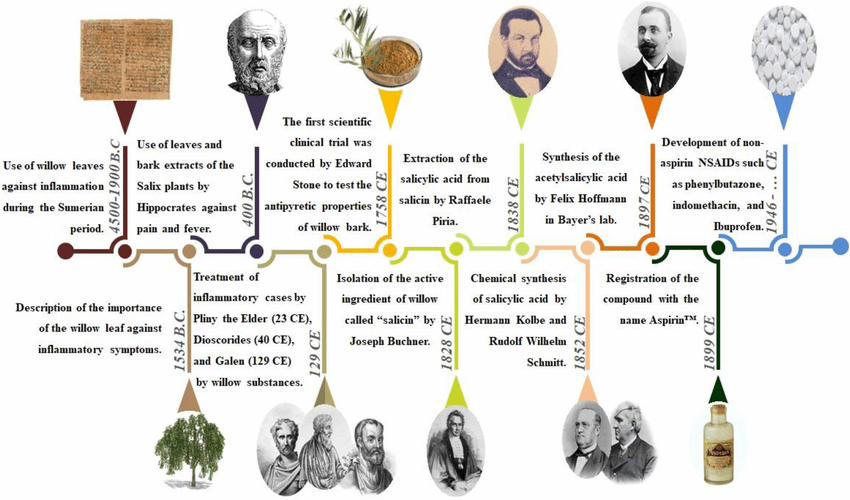
Q3: Can dogs have aspirin?
Yes, dogs can have aspirin, but only under veterinary supervision and in specific circumstances. Aspirin is a nonsteroidal anti-inflammatory drug (NSAID) that can be used to treat pain, inflammation, and fever in dogs. However, its use is generally limited due to potential side effects and the availability of safer alternatives.
✅ When is aspirin used for dogs?
Veterinarians may prescribe aspirin for short-term pain relief in dogs, particularly for conditions like musculoskeletal pain or inflammation. However, its use is less common today due to the availability of other NSAIDs that are specifically formulated for dogs and are generally safer.
⚠️ Risks and side effects
Aspirin can cause several adverse effects in dogs, especially if given in incorrect doses or for extended periods. Some of the most common risks include:
-
Gastrointestinal issues: Vomiting, diarrhea, and stomach ulcers.
-
Kidney problems: Potential kidney failure with prolonged use.
-
Blood clotting disorders: Aspirin can interfere with normal blood clotting, leading to excessive bleeding.
-
Overdose risks: Ingesting too much aspirin can lead to salicylate poisoning, characterized by symptoms such as hemorrhaging, seizures, coma, and even death.
Due to these risks, it's crucial to consult with a veterinarian before administering aspirin to your dog.
💊 Dosage guidelines
If a veterinarian prescribes aspirin for your dog, they will determine the appropriate dosage based on your dog's weight and condition. For example, a common dosage is 10–40 mg per kilogram of body weight, administered every 8–12 hours.
🚫 Alternatives to aspirin
There are NSAIDs specifically formulated for dogs that are generally safer and more effective than aspirin. These include medications like carprofen (brand name Rimadyl), which is commonly used to treat pain and inflammation in dogs
Q4:How to get a quote for aspirin?
To get a quote for aspirin, you can post a Request for Quotation (RFQ) on Guidechem, which connects you directly with verified suppliers worldwide. Simply register and log in to your Guidechem account, then click the “Post an RFQ” button. Fill in the product details, including the quantity you need and the preferred country of origin. Once submitted, you will receive competitive quotes from multiple aspirin suppliers, allowing you to compare offers and select the best match for your requirements.
For a quick start, you can post your RFQ here

Guidechem streamlines the procurement process, whether you are sourcing bulk aspirin or specialty grades, helping you find trusted suppliers efficiently.
Q5:Where to buy aspirin?
A5: You can purchase aspirin directly from verified global suppliers on the Guidechem, which specializes in connecting buyers with chemical manufacturers, exporters, and distributors.
- The aspirin Supply List shows all available product listings for aspirin (CAS No.10043-52-4). Here you can:
By using these two tools together, you can quickly identify the most reliable suppliers, compare market offers, and streamline your procurement process without needing to search across multiple platforms.
More FAQs About Aspirin 👇


 EN
EN
 Agricultural News
 Food News
 Industrial News
 Cosmetic News
 Pharmaceutical News
 Science News
