-
We detected your language preference as English. Would you like to switch to the English version for a better experience?
Switch to English
Stay here


Dioctyl adipate (DOA) is an essential organic compound with diverse applications across various industries. This article aims to explore the uses of dioctyl adipate, highlighting its significance in industries such as chemicals, plastics, coatings, and more. As a type of diester compound, DOA possesses unique chemical properties and versatile functionalities, playing crucial roles in different sectors. Through an in-depth discussion of DOA's uses and application scope, we can gain a comprehensive understanding of the compound's value and potential, providing insights and references for research and production in related industries.
Dioctyl adipate (DOA) is an oily liquid primarily used as a plasticizer for PVC. Its light color allows it to be used alone or in combination with other plasticizers. DOA is soluble in oil but insoluble in water. Due to its low cost, suitable characteristics, and widespread manufacturing by many companies, DOA goes by various names, including bis(2-ethylhexyl) adipate and dioctyl adipate. DOA is most commonly used as a plasticizer due to its exceptional flexibility, low temperature performance, and good electrical properties. It also exhibits strong weather resistance and excellent thermal stability.
Dioctyl adipate finds extensive uses, with one of the most common being in transparent films for food packaging. It is compatible with various materials such as nitrocellulose, ethyl cellulose, most synthetic rubbers, cellulose acetate butyrate, PVC, vinyl chloride polymers, and nitrocellulose. DOA can be used alone or in conjunction with other plasticizers like dioctyl phthalate (DOP) and dibutyl phthalate (DBP) for applications including cold-resistant agricultural plastic films, frozen foods, packaging films, cables, wires, etc. Additionally, DOA can serve as a type of Group V synthetic base oil, especially in applications requiring low-temperature performance. They can be blended with Group III and IV base oils to enhance performance. This combination can be used in cold-resistant agricultural plastic films, frozen foods, packaging films, cables, wires, faux leather, linoleum, and outdoor water pipes. It offers good low-temperature flexibility, thermal stability, weather resistance, high plasticization efficiency, and good electrical properties, making it particularly suitable for flexible coatings and PVC colorants. DOA can be used to disperse pigments in paints as well as in applications involving food contact, such as food packaging films and seals. DOA is also found in many consumer products such as shoes, slippers, synthetic leather, doormats, etc.

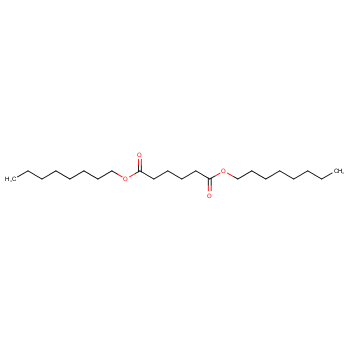
Dioctyl adipate possesses a unique molecular structure that contributes to its effectiveness as a plasticizer. DOA is a diester, meaning it consists of two octyl (eight-carbon) chains linked by a central adipic acid molecule (derived from adipic acid). These long and flexible octyl chains act as lubricants between polymer chains, particularly in polymers like polyvinyl chloride (PVC).
Imagine marbles tightly squeezed together — that's what hard plastic looks like. DOA acts like ball bearings between polymer chains, making them slide past each other more easily. This enhanced flow translates into increased flexibility and reduces the risk of plastic becoming brittle and cracking.
Dioctyl adipate is a transparent liquid that can be easily added to other plasticizers such as DOP and DOTP. It is also compatible with nitrocellulose, ethyl cellulose, cellulose acetate butyrate, and most synthetic rubbers.
One of the primary functions of dioctyl adipate is as a plasticizer. By incorporating DOA into plastics like PVC, manufacturers achieve higher flexibility and durability in the end products. This makes DOA-enhanced plastics ideal for applications such as hoses, wires, and coated fabrics, which require the ability to bend and flex without cracking even in harsh environments.
In the textile industry, DOA is used as a softener. Textiles treated with DOA become more pliable, have better drape, and enhance the comfort and aesthetics of clothing, interior decorations, and other fabric applications.
DOA is integrated into various components to enhance their performance and durability in the automotive industry. For instance, DOA can be used in hoses and belts, which need to withstand constant bending and vibration during vehicle operation. Additionally, the presence of DOA can enhance the electrical insulation performance of wires and cables inside vehicles.
In the realm of food packaging, DOA is sometimes used as a plasticizer in certain PVC films. This ensures that the packaging maintains its flexibility without becoming fragile. Furthermore, DOA can help extend the shelf life of packaged foods by creating a barrier that prevents moisture and air from reaching the contents, though this may compromise the content.
DOA, being a non-flammable solvent, contributes to the smooth texture and spreadability of various personal care products such as lotions, sunscreens, and hair conditioners. Additionally, DOA can enhance the stability of these products, helping them maintain their consistency and efficacy over time, resulting in longer shelf life.
In some controlled-release drug delivery systems, DOA serves as a plasticizer for capsule or tablet coatings. This coating allows drugs to be released slowly and controllably into the body, improving the effectiveness of treatment.
DOA has several alternative options. Some choices include: (1) Non-phthalate plasticizers: According to some studies, these plasticizers provide similar performance to DOA but with potentially lesser hazards. (2) Natural plasticizers: Citrate esters and vegetable oils are being developed as more sustainable alternatives. (3) Biodegradable plasticizers: These plasticizers decompose more easily in the environment, minimizing potential long-term impacts.
DOA is generally considered safe for its intended use. However, some studies suggest potential health risks with long-term high-level exposure. More research is needed to definitively determine potential health risks.
(1) Phthalate Esters: Previously popular plasticizers, some phthalate esters have been associated with health issues, leading to a shift towards alternatives like DOA. (2) Dioctyl Esters: DOA belongs to this category and is known for its good performance and compatibility with various materials. However, some dioctyl esters may have limitations such as lower efficiency compared to DOA. (3) Nonylphenol Ethoxylate Esters: These provide good plasticizing performance but raise environmental concerns due to potential breakdown products.
The choice of plasticizer depends on specific applications, considering factors such as performance, safety, and environmental impact.
Dioctyl adipate demonstrates compelling versatility across numerous industries. Its unique properties offer a range of benefits. However, responsible use is crucial considering potential health and environmental concerns. As research progresses and alternative materials emerge, the future of DOA lies in striking a balance between effectiveness and sustainability. If you're looking for a material with potential to enhance your product, explore whether DOA's properties can be a valuable tool in your industry.
[1] https://www.pishrochem.com/blog/en/doa-dioctyl-adipate-properties-applications-and-benefits/
[2] https://www.silverfernchemical.com
[3] https://www.penpet.com/products/coatings-and-paints-printing-inks/dioctyl-adipate-doa
[4] https://opeslimited.com/chemicals/dioctyl-adipate/
|
 |
 |
|
|
 EN
EN
 Agricultural News
 Food News
 Industrial News
 Cosmetic News
 Pharmaceutical News
 Science News

 1YR
1YR


