In this article, we delve into the impact of ketoconazole for dogs. From understanding its uses and dosage to exploring potential side effects and the process of bathing your furry friend with it, we elucidate all relevant knowledge. Get ready to uncover the power of ketoconazole and how it positively affects the health of your dog.

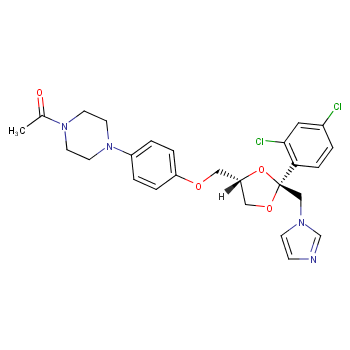
Ketoconazole belongs to the class of imidazole antifungal drugs. It is commonly used by veterinarians to treat fungal infections such as ringworm (Malassezia dermatitis), fungal ear infections (Malassezia otitis), and skin (dermatophyte) infections in dogs. It is also used to treat some life-threatening systemic fungal infections in dogs, especially blastomycosis. It is also used to treat Cushing's disease (hyperadrenocorticism) and other superficial yeast infections.
While ketoconazole has been used in cats, there is evidence that its use is associated with potential hepatotoxicity. Therefore, other antifungal drugs such as itraconazole are more commonly recommended for cats. Because ketoconazole affects the metabolism of other drugs, it is sometimes used to reduce the dosage of more expensive drugs like cyclosporine.
Ketoconazole is one of the earliest antifungal drugs used to treat localized or systemic fungal infections in dogs. It comes in various forms, including oral tablets and liquid, intravenous injection solution (IV), and topical creams and shampoos for skin and ear diseases. Veterinarians often prescribe ketoconazole to treat various fungal infections in dogs, including skin yeast and ringworm infections. Other common uses include fungal infections in the lungs and central nervous system.
Ketoconazole works by interacting with the formation of fungal cell walls and inhibiting the growth of fungal organisms. Ketoconazole has also been shown to block the production of corticosteroids by the adrenal glands, possess some anti-inflammatory properties, and inhibit the production of T lymphocytes. Ketoconazole is commonly used to treat systemic fungal infections such as valley fever and blastomycosis in dogs, which are severe and life-threatening. They typically require long-term treatment. Some dogs may need ketoconazole treatment for up to a year, and in some cases, lifelong therapy is necessary. Severely affected pets may start ketoconazole treatment in the hospital, concurrently with a second intravenous antifungal drug called amphotericin B. Ketoconazole is ineffective against infections caused by viruses, bacteria, or parasites.
The fungi and yeasts that ketoconazole is used to treat in dogs include: Blastomyces, Coccidioides, Cryptococcus, Histoplasma, Microsporum, Trichophyton, Malassezia, Candida, Sporothrix, and Aspergillus.
Ketoconazole is administered orally or topically. The dosage depends on your dog's size and weight, the type of infection, and any pre-existing medical conditions or issues. Be sure to follow your veterinarian's instructions carefully. Here are some drug options that help ensure accurate dosing, especially for difficult-to-medicate pets.

If you miss giving your pet a dose of ketoconazole, give the next dose as soon as you remember or, if it is close to the next scheduled dose, resume the regular dosing schedule. Do not give your pet two doses (double dose) to catch up. If you are unsure what to do, call your veterinarian.
When considering whether to bathe your dog with ketoconazole, prioritizing safety precautions is essential. While ketoconazole shampoo can effectively treat fungal infections in dogs, consulting a veterinarian before use is crucial. Ensure that your dog has no underlying health conditions that may worsen with ketoconazole use. Additionally, always follow the recommended dosage and usage instructions provided by the veterinarian or product label. Be careful not to use ketoconazole shampoo on open wounds or allergic skin, as it may cause further discomfort or complications for your furry friend.
To properly bathe your dog with ketoconazole shampoo, follow a step-by-step guide to ensure effectiveness and safety. Start by thoroughly wetting your dog's fur with warm water, making sure not to let water enter their ears or eyes. Apply a small amount of ketoconazole shampoo to your hands and gently massage it into your dog's fur, focusing on areas with fungal infections. Allow the shampoo to sit for the recommended time, then rinse off completely. Be sure to thoroughly rinse your dog's fur, removing all traces of shampoo, as residues may cause skin irritation. Finally, towel dry your dog thoroughly, offering rewards and praise for a well-dried dog.
The most common side effects of ketoconazole for dogs include gastrointestinal upset, nausea, vomiting, and loss of appetite. These can be managed by reducing or splitting doses or administering ketoconazole with food. More severe side effects include elevated liver enzyme levels. If your dog experiences anorexia (not eating for 48 hours), vomiting, and diarrhea, contact your veterinarian immediately. Less common side effects include hepatotoxicity (especially in cats), decreased platelet counts, and temporary lightening of the hair.
Ketoconazole is generally not recommended for use in cats. Cats are more prone to side effects, especially gastrointestinal upset and hepatotoxicity (liver damage).
While ketoconazole has been widely used in dogs to treat various fungal infections, information regarding its adverse reactions is primarily anecdotal. Common adverse reactions in humans include dose-dependent anorexia, nausea and vomiting, allergic rash, and itching. Drug-induced hepatitis is extremely rare but can be fatal. Ursula K Mayer et al. evaluated the types and frequencies of adverse reactions associated with ketoconazole treatment for dermatological conditions in dogs, as well as any potential influences of dosage, duration of treatment, signal transmission, or concurrent medication. A retrospective analysis of 632 medical records of dogs treated with ketoconazole (2.6-33.4 mg/kg) was conducted. The incidence of adverse reactions was 14.6% (92 dogs), including vomiting (7.1%), anorexia (4.9%), lethargy (1.9%), diarrhea (1.1%), itching (0.6%), erythema (0.3%), and other adverse reactions (2.5%). Among the dogs with other adverse reactions, 16 out of 4 dogs (25%) had ataxia, of which 3 were concurrently receiving enrofloxacin treatment. Dogs receiving concurrent cyclosporine (P = 0.034) or enrofloxacin (P = 0.007) had a higher frequency of adverse reactions. Reports of elevated liver enzyme levels were rare, and jaundice was not observed in any dogs. However, monitoring liver enzymes during treatment is recommended, although this may not necessarily prevent serious specific hepatotoxicity.
When using ketoconazole for dogs, following the following recommendations to prioritize their safety and health is crucial. (1) Consult your veterinarian before starting any treatment regimen involving ketoconazole. Your veterinarian can provide valuable guidance on the appropriate dosage and frequency based on your dog's specific needs. (2) Ensure proper storage and handling of ketoconazole medication to maintain its efficacy and prevent accidental ingestion by pets or children. Store the medication in a cool, dry place, away from direct sunlight, and out of reach of curious paws. (3) During ketoconazole use, monitor your dog's health and behavior regularly, paying close attention to any signs of adverse reactions or side effects. If you notice any related symptoms such as lethargy, vomiting, or changes in appetite, contact your veterinarian immediately for further assessment and guidance.
Ketoconazole provides a treatment option for various fungal infections in dogs, offering relief and improving the quality of life for our beloved pets. Ketoconazole possesses antifungal properties that effectively combat fungal pathogens, addressing conditions such as dermatitis, ringworm, and yeast infections in dogs. By following correct dosage instructions and safety precautions, pet owners can harness the benefits of ketoconazole to support the health and happiness of their furry companions. It is essential to note that only authorized pet owners can administer ketoconazole to their dogs under veterinary guidance, which is crucial. This ensures responsible medication use and reduces the risk of improper dosing or adverse reactions.
[1] https://www.petmd.com/pet-medication/ketoconazole-nizoral-0
[2] https://www.wedgewoodpharmacy.com/medications/ketoconazole/
[3] https://pubmed.ncbi.nlm.nih.gov/18547382/
 |
 |
 |



 3YRS
3YRS

