Econazole, with the chemical formula C18H15Cl3N2O and CAS number 27220-47-9, is a potent antifungal agent typically used topically in the form of creams or powders to treat a variety of fungal infections.
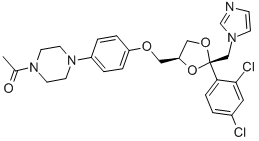
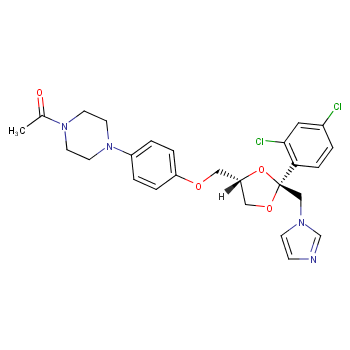
Ketoconazole, with the chemical formula C26H28Cl2N4O4 and CAS number 65277-42-1, is a broad-spectrum antifungal agent that can be used both orally for systemic infections and topically for treating skin infections.
Econazole and Ketoconazole are two antifungal agents used to treat various fungal infections. Both drugs act by inhibiting the synthesis of ergosterol, a critical component of fungal cell membranes. While Ketoconazole is a broad-spectrum antifungal effective against multiple fungal species, Econazole is particularly useful in treating certain strains that Ketoconazole may not cover, such as Aspergillus.


Both Econazole and Ketoconazole involve the formation of heterocyclic imidazole rings, but the precise synthetic methods differ due to their distinct molecular frameworks.
Both Econazole and Ketoconazole are highly effective antifungal agents, each playing a crucial role in the treatment of various fungal infections. While they share similarities in their ability to target a broad spectrum of fungi, their specific applications diverge in terms of the types of fungal strains they address and how they are administered. Understanding these differences is essential for clinicians to select the most appropriate treatment for their patients, ensuring the best possible outcomes.

Econazole is primarily utilized in topical formulations, such as creams, gels, powders, and lotions. It is particularly effective in treating superficial fungal infections that affect the skin. Its antifungal properties are highly beneficial against dermatophytes, which cause conditions like athlete’s foot, ringworm, and jock itch. Additionally, Econazole demonstrates potent activity against yeasts, including Candida species, which are responsible for infections like oral thrush and vaginal yeast infections.
One of the key advantages of Econazole is its ability to target a broader range of fungal species, including Aspergillus species, which Ketoconazole may not be as effective against. This gives Econazole an edge in treating certain dermatological fungal infections that may be resistant to other medications. Furthermore, Econazole’s formulation as a topical treatment means that it is generally well-tolerated, with a lower risk of systemic side effects compared to oral medications. This makes it an ideal choice for treating localized infections where the goal is to avoid the complications associated with systemic drug absorption. Patients with conditions like seborrheic dermatitis, a chronic inflammatory skin disorder often linked to fungal overgrowth, frequently benefit from Econazole’s targeted action.
Due to its minimal absorption into the bloodstream, the likelihood of systemic side effects is considerably reduced. As such, Econazole is often prescribed for individuals who may have sensitivities to oral antifungal drugs or those looking for a safer alternative for managing skin-based fungal conditions.
Ketoconazole, in contrast, is a more versatile antifungal agent with both topical and systemic applications. When applied topically, Ketoconazole is effective against various tinea infections such as athlete’s foot, ringworm, and jock itch. However, its strength lies in its ability to treat more serious systemic fungal infections. Oral Ketoconazole is used to manage deep or invasive fungal infections, including blastomycosis, histoplasmosis, candidiasis, and coccidioidomycosis. This broad-spectrum antifungal activity makes Ketoconazole a first-line treatment option for many severe or disseminated fungal infections.
The versatility of Ketoconazole, particularly in its systemic form, allows it to address infections that cannot be effectively treated with topical antifungals. When administered orally, Ketoconazole works to inhibit fungal cell membrane synthesis, thereby preventing fungal growth and replication in various internal organs. This makes it a critical component of the therapeutic arsenal for treating infections in immunocompromised patients or individuals with systemic fungal diseases.
However, the use of Ketoconazole, especially in systemic applications, comes with important safety considerations. One of the most significant risks is liver toxicity, which can occur during prolonged use. For this reason, oral Ketoconazole therapy requires careful monitoring of liver function, and its use is often restricted to situations where other treatment options may not be as effective. Over the years, the systemic use of Ketoconazole has been increasingly limited due to these concerns, and newer antifungals with fewer side effects are now often preferred for long-term use.
In clinical practice, the choice between Econazole and Ketoconazole often depends on the specific type of infection, its location, and the patient's medical history. For localized skin infections, Econazole is preferred due to its potent antifungal activity with minimal systemic absorption. For more serious systemic infections, Ketoconazole is often prescribed, but only after careful consideration of the potential liver-related side effects.
In conclusion, while both Econazole and Ketoconazole are effective antifungal agents, they are best suited for different types of infections and clinical situations. Econazole is ideal for topical use, particularly for treating skin and mucosal fungal infections, while Ketoconazole serves as a broad-spectrum treatment for both systemic and topical fungal infections. The choice between these two medications should be made based on the specific needs of the patient, the fungal species involved, and the risk of potential side effects.
| Side Effect |
Econazole |
Ketoconazole |
|---|---|---|
| Digestive Issues | Rare, but may cause mild irritation | Possible, may cause nausea or stomach upset |
| Low Blood Pressure | Rare, not typically associated | Possible, may cause dizziness or lightheadedness |
| Liver Strain | Unlikely to cause liver damage | Risk of liver toxicity, requires monitoring |
| Allergic Reactions | Rare, may cause rash or itching | Rare, may cause rash or severe allergic reaction |
When choosing between econazole vs ketoconazole, it's crucial to assess your specific health needs and the nature of the fungal infection you are dealing with. Both medications are effective antifungal agents, but they vary in terms of application and spectrum of action. Ketoconazole is a broad-spectrum antifungal, often used both topically and orally. It is commonly prescribed for systemic fungal infections, including candidiasis, and offers comprehensive treatment for dermatophyte-related skin infections. If you are dealing with widespread or internal fungal infections, ketoconazole might be the preferred option due to its ability to address various types of fungi.
In contrast, econazole is primarily used in its topical form, making it a go-to choice for localized fungal infections such as athlete’s foot, ringworm, and other dermatophyte-related conditions. It is also effective against species of fungi that ketoconazole does not target as effectively, such as Aspergillus. If your fungal infection is more localized and does not require systemic treatment, econazole may be the more suitable option for its direct action on the affected area.
Ultimately, if you're seeking a treatment for widespread or systemic fungal infections, ketoconazole is the superior choice due to its broader range of efficacy and ability to be used orally. However, if you're dealing with a specific, localized fungal infection, econazole might be the better option due to its targeted action and minimal systemic involvement.
*For optimal results and to ensure that you are taking the appropriate antifungal treatment, it is highly recommended to follow the guidance of your healthcare provider. They can help you determine the most suitable medication based on your specific health requirements and the severity of the infection.
If you're looking to purchase these compounds, Guidechem is your go-to platform for sourcing high-quality raw materials and reliable suppliers. With our extensive global network, we connect you to a wide range of econazole suppliers and ketoconazole suppliers, ensuring you find the right products to meet your specific research or production requirements. Whether you're in pharmaceuticals, food additives, or other industries, Guidechem simplifies the sourcing process, offering verified supplier information, competitive pricing, and seamless communication.
 |
 |
 |


 6YRS
6YRS