Augmentin, with the chemical formula C24H27KN4O10S and CAS number 74469-00-4, is a combination antibiotic consisting of amoxicillin and clavulanate. It is commonly prescribed to treat a wide range of bacterial infections, including sinus infections, respiratory tract infections, and urinary tract infections. Augmentin works by inhibiting bacterial cell wall synthesis and combating beta-lactamase, an enzyme produced by certain bacteria to resist amoxicillin.
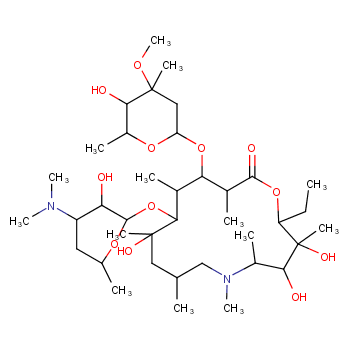
Azithromycin, with the chemical formula C38H72N2O12 and CAS number 83905-01-5, is a macrolide antibiotic used to treat various bacterial infections, such as pneumonia, strep throat, and sinusitis. Azithromycin functions by interfering with bacterial protein synthesis, preventing bacteria from growing and multiplying. It is often preferred for its once-daily dosing and shorter treatment duration compared to other antibiotics.
The key difference between Augmentin and Azithromycin lies in their mechanisms of action, spectrum of bacterial coverage, and dosing regimens. Augmentin is a broad-spectrum antibiotic that combines a penicillin with a beta-lactamase inhibitor, while Azithromycin is a macrolide antibiotic with a more specific action on protein synthesis.


Both antibiotics are synthesized via microbial fermentation, though the specific microorganisms and pathways differ. Augmentin combines amoxicillin with clavulanate, while Azithromycin’s synthesis is centered around macrolide structures with a focus on ribosomal inhibition.
Both Augmentin and Azithromycin are widely prescribed antibiotics used to treat various bacterial infections, but the choice between the two often depends on the specific type of infection, the patient's health status, and the prevalence of antibiotic resistance in a given region. While both drugs have significant therapeutic benefits, they differ in their mechanisms of action, spectrum of activity, and the nature of the infections they are best suited to treat.

Augmentin, a combination of amoxicillin and clavulanate potassium, is a broad-spectrum antibiotic that is highly effective against a wide range of bacterial pathogens, including both Gram-positive and Gram-negative bacteria. Its unique advantage lies in its ability to overcome bacterial resistance mechanisms, particularly beta-lactamase enzymes that are produced by some bacteria to resist other antibiotics. This makes Augmentin particularly useful in treating infections caused by bacteria resistant to other beta-lactam antibiotics.
One of the most common uses of Augmentin is in the treatment of respiratory infections. It is highly effective against conditions such as sinusitis, bronchitis, and pneumonia, where it combats both the bacterial pathogens responsible for the infection and any secondary infections that might arise due to compromised immune function. Augmentin’s broad spectrum also makes it a go-to treatment for urinary tract infections (UTIs), especially when the infection is caused by bacteria that may be resistant to other antibiotics.
In addition to respiratory and urinary infections, Augmentin is frequently prescribed for skin and soft tissue infections, including those arising from animal bites, which are often associated with polymicrobial infections. The combination of amoxicillin and clavulanate provides a potent defense against a variety of bacterial strains, including those resistant to other first-line antibiotics. The fact that it is safe for pediatric use also makes Augmentin a common treatment for ear infections in children.
Azithromycin, often referred to as a "macrolide antibiotic," is a popular choice for treating respiratory infections, particularly those affecting the lungs. It is commonly used to treat conditions such as pneumonia, bronchitis, and strep throat, due to its ability to penetrate lung tissue and reach high concentrations at the site of infection. Azithromycin’s unique advantage is its shorter treatment duration—typically 3 to 5 days—compared to other antibiotics, which often require a longer regimen. This shorter treatment course can greatly improve patient compliance and overall convenience, especially for patients who prefer a quicker, more manageable treatment option.
In addition to respiratory infections, Azithromycin is widely used for skin infections, particularly those caused by bacteria like Staphylococcus aureus and Streptococcus pyogenes. It is also a first-line treatment for sexually transmitted infections (STIs), including chlamydia and gonorrhea. Azithromycin’s ability to concentrate in tissues, especially in the lungs and skin, makes it highly effective in addressing infections in these areas. Furthermore, its once-daily dosing schedule offers additional convenience for patients, improving adherence to the prescribed regimen.
One of the major benefits of Azithromycin is its use in patients with penicillin allergies. Many individuals who are allergic to penicillin cannot tolerate Augmentin due to its amoxicillin component, but Azithromycin provides a suitable alternative for treating respiratory and skin infections in these cases. This broad application in patients with specific allergies or intolerances contributes to its widespread use in clinical practice.
In conclusion, Augmentin is an effective broad-spectrum antibiotic commonly used for infections that involve beta-lactamase-producing bacteria, while Azithromycin is preferred for its ease of use, particularly in treating respiratory infections and certain skin infections. Both antibiotics are highly effective, but their use depends on the type of infection, patient health status, and local resistance patterns.
| Side Effect |
Augmentin |
Azithromycin |
|---|---|---|
| Digestive Issues | Common, may cause diarrhea, nausea, or upset stomach | Common, may cause diarrhea, nausea, or stomach pain |
| Liver Strain | Rare, but should be used cautiously in patients with liver disease | Possible, especially in patients with pre-existing liver conditions |
| Drug Resistance | Can contribute to bacterial resistance if overused | Some bacterial strains may develop resistance, reducing its effectiveness |
| Allergic Reactions | Rare, can cause rash, itching, or anaphylaxis | Rare, can cause rash, itching, or difficulty breathing |
When deciding between Augmentin and Azithromycin for your health needs, it is crucial to take into account the nature of the infection you are treating, your medical history, and any potential side effects. Augmentin, with its broad-spectrum activity, is often preferred for a wide variety of bacterial infections, particularly those caused by beta-lactamase-producing bacteria. If you are dealing with more complex infections, such as those of the urinary or respiratory tract, or infections that are resistant to other antibiotics, Augmentin might be the better option. Its dual-action mechanism, combining amoxicillin and clavulanate, ensures a wider range of bacterial coverage. However, some individuals may experience digestive issues, such as nausea or diarrhea, due to the clavulanate component.
In contrast, Azithromycin may be a more suitable choice for those with respiratory infections, such as pneumonia or bronchitis, or for individuals who have a penicillin allergy. Azithromycin’s ability to penetrate tissues, particularly in the lungs, makes it highly effective for treating respiratory tract infections. Furthermore, Azithromycin is easier to use with its once-daily dosing and shorter treatment course. It is generally better tolerated by those who have sensitivities to other antibiotics, especially in the case of those with a history of gastrointestinal discomfort. However, Azithromycin does come with the risk of liver strain, especially for those with pre-existing liver conditions.
Ultimately, if you need a broad-spectrum antibiotic to combat a variety of bacterial strains, Augmentin may be the superior choice. It is particularly effective in treating infections that are resistant to other antibiotics. On the other hand, if you are looking for an antibiotic with a shorter course of treatment and easier administration, Azithromycin might be a better fit, especially for respiratory or skin infections. Both antibiotics are effective, but their suitability will depend on the specific infection and individual health considerations.
*For optimal results and to ensure that you are choosing the right antibiotic and dosage, it is highly recommended to consult your healthcare provider. They can help you determine the most appropriate antibiotic based on your specific health condition and medical history.
If you're looking to purchase these compounds, Guidechem is your go-to platform for sourcing high-quality raw materials and reliable compounds suppliers. With our extensive global network, we connect you to a wide range of Augmentin suppliers and Azithromycin suppliers, ensuring you find the right products to meet your specific research or production requirements. Whether you're in pharmaceuticals, food additives, or other industries, Guidechem simplifies the sourcing process, offering verified supplier information, competitive pricing, and seamless communication.
[1]Antibiotics in Clinical Medicine by P. J. Smith.
[2]Macrolides: Clinical Applications and Mechanisms by L. H. Zhang.
[3]Azithromycin in the Treatment of Respiratory Infections in Journal of Antimicrobial Chemotherapy.
[4]Augmentin and the Role of Clavulanate in Overcoming Resistance in Antibiotic Therapy.
 |
 |
|



 3YRS
3YRS