-
We detected your language preference as English. Would you like to switch to the English version for a better experience?
Switch to English
Stay here


Formulators fortifying foods, beverages and supplements with zinc face a common dilemma: inorganic zinc salts are cheap but taste metallic and irritate the GI tract, while many organic zinc sources are palatable but poorly soluble, unstable in liquid matrices, or difficult to source at consistent quality. Zinc gluconate (C12H22O14Zn) resolves this trade-off. As the zinc salt of gluconic acid, it combines near-tasteless sensory properties, ready water solubility and strong bioavailability at low doses, making it one of the most widely used organic zinc sources in dietary supplements, functional foods, infant nutrition and clinical nutrition. This guide provides procurement and R&D teams with a complete technical breakdown — from manufacturing chemistry and absorption mechanisms to formulation SOPs and regulatory limits — for this key nutraceutical ingredient, listed under CAS 4468-02-4.
| Function | Target Applications | Key Specifications | Compliance Status |
|---|---|---|---|
| Essential zinc fortification and supplementation; supports immune function, DNA synthesis, wound healing and cell division | Dietary supplements (tablets, capsules, gummies, suspensions, lozenges); functional foods & beverages; infant formulas; clinical/parenteral nutrition | CAS 4468-02-4; EC 224-736-9; C12H22O14Zn; MW 455.7 g/mol; 14.35% elemental Zn; freely soluble in water (~100 g/L); white granular powder; thermally stable to 155°C | US FDA GRAS nutrient (21 CFR 182.8988); EU-permitted mineral substance; JECFA PMTDI 0.3–1.0 mg Zn/kg bw; EFSA adult UL 25 mg Zn/day |
| OTC therapeutic role: external analgesic active for fever blisters and cold sores (lozenges) | Cold-remedy lozenges; adjunctive therapy for acute diarrhea (WHO-supported indication); sugar-free and pediatric formats | Neutral odor and taste; stable against oxidation across pH range; density 1.44 g/cc; melting point 172–175°C | Compliant with FCC/USP monographs for food/pharma grade zinc gluconate when sourced to specification |
Zinc gluconate is manufactured by neutralizing gluconic acid (C6H12O7) with a high-purity zinc source — typically zinc oxide (ZnO) or zinc carbonate (ZnCO3) — in aqueous solution, followed by purification and spray-drying. The neutralization proceeds as a straightforward acid–base reaction:
2 C6H12O7 + ZnO → Zn(C6H11O7)2 + H2O
The result is a white to almost white, granular or crystalline powder with good solubility in water and practical insolubility in alcohol. Because the gluconate anion is derived from glucose oxidation, the raw material chain is largely bio-based (corn/sugar fermentation), which supports clean-label sourcing narratives.
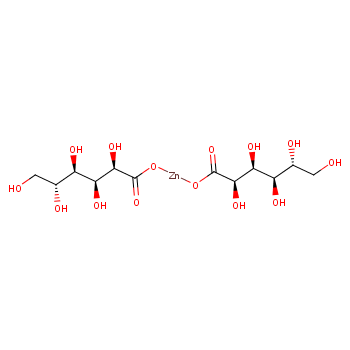
The performance of any zinc salt begins with dissolution. In the stomach’s acidic environment, zinc gluconate dissociates completely into Zn2+ ions and gluconate anions (C6H11O7−). The gluconate ligand acts as a mild chelator that keeps zinc in a soluble, bio-available form as it transits the duodenum and jejunum, reducing the precipitation losses and mucosal irritation associated with inorganic salts like zinc sulfate (ZnSO4).
Absorption occurs primarily in the small intestine, where Zn2+ is transported into enterocytes via dedicated zinc transporters (notably ZIP4/SLC39A4) and thence into the bloodstream, where it circulates bound to albumin and α2-macroglobulin. Once absorbed, zinc serves as an essential cofactor for more than 300 enzymes and thousands of zinc-finger transcription factors, underpinning immune cell development (neutrophils, natural killer cells, macrophages), phagocytosis, cytokine production, DNA synthesis and cell division. Homeostasis is regulated through intestinal secretion and pancreatic excretion; unabsorbed zinc and endogenous zinc are excreted mainly through feces, with a minor fraction via urine at different time points following ingestion.
Two dietary interaction mechanisms matter for formulators: phytates in grains and legumes chelate Zn2+ and strongly inhibit absorption, while vitamin C and other organic acids can modestly enhance it. This is why zinc gluconate is frequently co-formulated with ascorbic acid in effervescent and powdered cold-remedy products.
Not all zinc sources behave alike. Zinc ingredients used in food and nutrition fall into four structural families, each with distinct absorption pathways, sensory profiles and cost positions. Understanding these classes is essential when substituting one zinc source for another or benchmarking suppliers on zinc gluconate suppliers against alternatives.
Representatives include zinc sulfate (ZnSO4, CAS 7446-19-7 monohydrate / 7446-20-0 heptahydrate), zinc oxide (ZnO, CAS 1314-13-2) and zinc chloride (ZnCl2, CAS 7646-85-7). Mechanism: simple ionic salts that dissociate fully but release “free” Zn2+, which competes directly with copper and iron uptake and interacts with dietary phytates. Advantages: very high elemental zinc density (ZnO is ~80% Zn) and lowest cost per zinc unit. Limitations: metallic taste, GI irritation (nausea at sulfate doses), poor solubility for ZnO (used mainly in tablets/cereals where dissolution is less critical), and in some studies lower fractional absorption than organic ligands at low doses.
Representatives: zinc gluconate (CAS 4468-02-4), zinc citrate (CAS 546-46-3), zinc lactate and zinc acetate. Mechanism: the organic anion (gluconate, citrate, lactate) weakly coordinates Zn2+, shielding it from precipitation with phytates and dietary fiber in the intestinal lumen and delivering it near the absorption transporters in soluble form. Advantages: good solubility, mild taste (gluconate is nearly tasteless; citrate is distinctly bitter), GRAS/regulatory acceptance, easy handling. Limitations: lower elemental zinc content (~13–31% Zn) means higher use levels and more powder volume per serving than oxide or sulfate.
Representatives: zinc bisglycinate (CAS 14281-83-5) and zinc picolinate. Mechanism: zinc is covalently chelated by amino acids, allowing partial absorption via dipeptide/peptide uptake pathways (PepT1) rather than solely via metal transporters — theoretically less affected by phytates and mineral competition. Advantages: excellent tolerance, premium marketing positioning. Limitations: significantly higher cost, less standardized absorption evidence, and complex regulatory identity in some jurisdictions.
Representatives: zinc-enriched Saccharomyces cerevisiae. Mechanism: zinc is incorporated intracellularly into the yeast biomass matrix and released gradually during digestion, mimicking food-bound zinc. Advantages: in a published comparative study, net zinc absorption balance was higher for zinc-enriched yeast than for zinc gluconate and zinc sulfate; well suited to “food-state” positioning. Limitations: variable zinc content between batches, allergen (yeast) labeling implications, and higher cost.
| Zinc Source | CAS Number | Elemental Zn | Water Solubility | Taste Profile | Absorption Notes | Typical Applications |
|---|---|---|---|---|---|---|
| Zinc gluconate | 4468-02-4 | 14.35% | Freely soluble (~100 g/L) | Nearly tasteless, neutral odor | High bioavailability at low doses; superior to sulfate in comparative studies | Lozenges, suspensions, gummies, liquid & powdered beverages |
| Zinc sulfate (monohydrate) | 7446-19-7 | ~36% | Very soluble | Astringent, metallic | Absorbed, but more GI side effects; lower bioavailability than gluconate at low doses | Cheap tablets, oral rehydration adjuncts |
| Zinc oxide | 1314-13-2 | ~80% | Practically insoluble | Neutral (in dry forms) | Least efficiently absorbed; dissolution-limited | Cereal fortification, compressed tablets |
| Zinc citrate | 546-46-3 | ~31% | Slightly soluble | Peculiar bitter taste | Absorbed in similar quantities to gluconate | Tablets, capsules (taste-masked) |
| Zinc bisglycinate | 14281-83-5 | ~25% | Soluble | Mild | Peptide-pathway uptake; less phytate interference | Premium chelated supplements |
| Zinc-enriched yeast | Matrix (biomass-bound) | Variable (typically 1–5 mg/g) | Insoluble (suspended) | Yeast-like | Highest net absorption balance in one comparative study | Food-state supplements, capsules |
Note: Zinc gluconate, citrate and the organic salts are preferred for liquid and fast-dissolving formats because of solubility and taste; zinc oxide dominates high-load dry blends on cost; chelates command a premium where phytate-rich matrices or sensitive-stomach positioning justify it.
Thanks to its exceptional ability to dissolve easily, zinc gluconate is ideal for both liquid and powdered products. As an organic mineral source, it delivers high bioavailability and strong body compatibility compared with inorganic sources. Typical use categories include:
| Category | Example Formats |
|---|---|
| Dietary supplements | Tablets, oral suspensions, chewables, gummies, capsules, lozenges |
| Functional foods | Dairy products, confectionery, cereal products, desserts |
| Infant nutrition | Infant formulas, milk substitutes |
| Functional beverages | Juices, carbonated drinks, sports drinks, fortified water |
| Clinical nutrition | Oral clinical nutrition, parenteral nutrition |
| Ingredient | Composition |
|---|---|
| Zinc gluconate | 3.0 g |
| White granulated sugar | 120 g |
| Casein phosphopeptides | 0.4 g |
| Essence (lychee) | 0.22 ml |
| Citric acid | To adjust pH to 3.0–6.0 |
| Water | To make up 1000 ml |
| Ingredient | Composition |
|---|---|
| Zinc gluconate | 35 g |
| Sucrose | 85 g |
| Corn starch | 150 g |
| Sodium hydroxide | Adjust to pH 6.5 |
| Water | 1000 ml |
| Jurisdiction | Regulatory Status of Zinc Gluconate |
|---|---|
| United States (FDA) | Generally recognized as safe (GRAS) and approved as a nutrient under 21 CFR 182.8988. Zinc salts, including zinc gluconate lozenges, are also used as OTC external analgesics for fever blisters and cold sores. Note: zinc gluconate is not medically proven effective for treating the common cold, so claims must be worded accordingly. |
| European Union | Approved for addition to foods as a permitted mineral substance under EU food-supplementation and fortification regulations. REACH registration applies to the substance as manufactured/imported; EFSA has set a tolerable upper intake level of 25 mg/day elemental zinc for adults. |
| JECFA / WHO | The Provisional Maximum Tolerable Daily Intake (PMTDI) for elemental zinc is 0.3–1.0 mg/kg body weight. WHO supports zinc supplementation as adjunctive therapy for acute diarrhea in children, reducing duration, severity and subsequent episodes. |
| Quality standards | Food Chemicals Codex (FCC) and United States Pharmacopeia (USP) monographs define identity, assay and impurity limits for food- and pharma-grade zinc gluconate. Toxicological watchpoint: prolonged intakes of 100–150 mg/day elemental zinc impair copper metabolism; 200–800 mg/day can cause anorexia, vomiting and diarrhea. |
Zinc gluconate has been shown to have higher bioavailability at low doses than several other zinc forms, including zinc sulfate. Studies suggest the body may absorb zinc gluconate more efficiently than zinc citrate and zinc oxide. Zinc citrate is absorbed in similar quantities to zinc gluconate but has a peculiar bitter taste, whereas zinc gluconate has a milder, nearly neutral flavor. One comparative study, however, found the net balance of zinc absorption was higher for zinc-enriched yeast than for zinc gluconate and zinc sulfate — so “better” depends on the dose, matrix and benchmark.
Zinc gluconate supports immune system function (neutrophils, natural killer cells and macrophages all depend on adequate zinc); speeds up recovery from cold symptoms such as sore throat, cough and congestion, where zinc may reduce symptom severity by acting as an astringent on the trigeminal nerve; promotes wound healing across the entire process from membrane repair and coagulation through re-epithelialization and angiogenesis; exhibits antioxidant and anti-inflammatory effects; and, per some studies, may help maintain stable blood sugar levels and improve insulin sensitivity.
Yes — zinc gluconate is considered generally recognized as safe (GRAS) by the US FDA and is approved as a mineral substance in the EU. The WHO JECFA PMTDI for elemental zinc is 0.3–1.0 mg/kg body weight. Prolonged intakes of 100–150 mg/day elemental zinc can interfere with copper metabolism (causing low blood copper, microcytosis, neutropenia and impaired immunity), and higher doses of 200–800 mg/day can cause anorexia, vomiting and diarrhea. Always follow recommended dosage instructions.
Store in a well-ventilated, dry, cool place with the container tightly closed. The compound is a white granular powder that is thermally stable to 155°C, stable against oxidation and stable across the practical pH range, with neutral odor and taste. It is readily soluble in water (~100 g/L) and practically insoluble in alcohol, making it suitable for both liquid and powdered product formats.
|
 |
 |
 |
 |
 |
 EN
EN
 Agricultural News
 Food News
 Industrial News
 Cosmetic News
 Pharmaceutical News
 Science News

 2YRS
2YRS

