 |
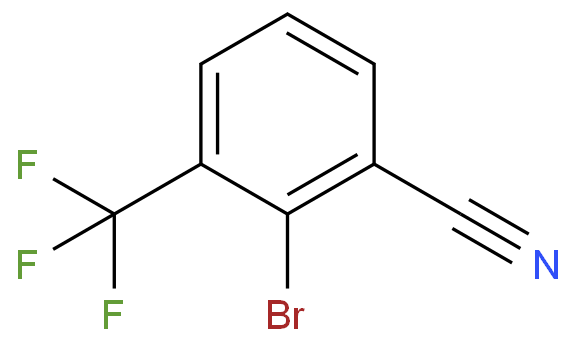
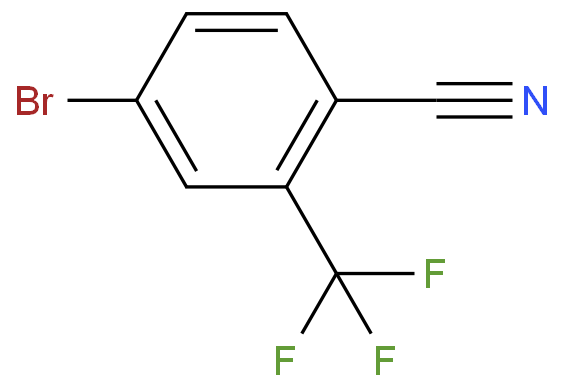
Benzonitrile compounds are important raw materials and intermediates for organic synthesis and are widely used in medicine, pesticides, dyes, spices, corrosion inhibitors and liquid crystal materials. Benzonitrile compounds are an important class of substances in organic chemistry. They can be hydrolyzed to produce acids, reduced to amines, and can undergo other reactions. They are important organic synthesis intermediates. Benzonitrile compounds are widely used in production and have wide application value. Research on cyanation reactions started early abroad. In the 1960s, Japan first realized the technology of industrialized manufacturing of benzonitrile. Domestic research started late and gradually increased after the 1980s. Research on the synthesis process of isophthalonitrile and the development of catalysts were carried out. The market demand for benzonitrile compounds is very large. How to prepare benzonitrile compounds to meet the market demand is a hot topic in current research. 4-BROMO-2-(TRIFLUOROMETHYL)BENZONITRILE, English name: 4-Bromo-2-(trifluoromethyl)benzonitrile, CAS: 191165-13-6 Molecular formula: C8H3BrF3N, molecular weight: 250.015, density: 1.71g/cm3, boiling point: 239.7 ºC at 760mmHg, melting point: 43-44ºC.
Using 4-bromo-2-(trifluoromethyl)benzoic acid as the starting material, it is prepared through a multi-step reaction. The synthesis roadmap is as follows.
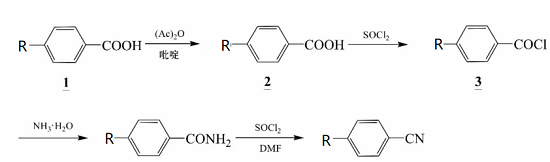
Figure 1 Synthesis roadmap of 4-BROMO-2-(TRIFLUOROMETHYL)BENZONITRILE
In a 100 mL round-bottomed flask equipped with an electromagnetic stirring and reflux device, add 4-bromo-2-(trifluoromethyl)benzoic acid, dichloromethane, and dichlorosulfoxide in sequence, stir evenly, and then drop Add N,N-dimethylformamide as a catalyst and react in an oil bath at 60°C for 3.5 hours. After TLC monitors that the reaction is complete, 4-bromo-2-(trifluoromethyl)benzoyl chloride is obtained. After the solvent methylene chloride and residual thionyl chloride in the reaction solution are evaporated, the residue is transferred to a 25 mL constant pressure dropping funnel, and mixed with methylene chloride evenly for later use.
In a 100 mL three-necked flask equipped with a mechanical stirrer, a thermometer, and a constant-pressure dropping funnel, add 25% ammonia water and methylene chloride, and mix evenly in an ice-salt bath to reach -13°C. Slowly add the mixed solution of 4-bromo-2-(trifluoromethyl)benzoyl chloride and dichloromethane dropwise, keeping the temperature below 10°C, and complete the dropwise addition in 15 minutes. Remove the ice-salt bath and react at room temperature for 1.5 hours. TLC monitors the reaction until it is complete, and evaporates excess ammonia under reduced pressure. Then adjust the pH to 4 with concentrated hydrochloric acid, filter with suction, and dry to obtain the crude product, which is directly used in the next reaction without purification.
In a 50 mL three-necked flask equipped with mechanical stirring, a thermometer, and a constant pressure dropping funnel, add N,N-dimethylformamide, cool to -15°C in an ice-salt bath, and then add slowly dropwise After the dropwise addition of thionyl chloride is completed, add dichloroethane. Keep the temperature below -13°C, add 4-bromo-2-(trifluoromethyl)benzamide in batches, slowly raise the temperature to 85°C after adding the raw materials, then stir for another 2 hours, and monitor the reaction by TLC until it is complete. After the solvent dichloroethane was recovered by distillation and residual thionyl chloride was removed, saturated brine was added, and the mixture was extracted three times with ethyl acetate. The organic layer was washed three times with saturated brine, dried over anhydrous sodium sulfate, filtered with suction to obtain the crude product, and recrystallized with acetonitrile to obtain 4-BROMO-2-(TRIFLUOROMETHYL)BENZONITRILE.
In the process of synthesizing 4-bromo-2-(trifluoromethyl)benzamide from 4-bromo-2-(trifluoromethyl)benzoic acid, the post-treatment process of producing amide from acid chloride is critical. After the reaction is completed, the remaining ammonia needs to be evaporated under reduced pressure, then the pH is adjusted to 4, then filtered and dried. If excess ammonia is not removed, a large amount of inorganic salt ammonium chloride will be generated during the pH adjustment stage, which will affect subsequent reactions; if a large amount of ammonium chloride is generated, it will be removed by washing with water, and the product 4-bromo-2-( Trifluoromethyl)benzamide will dissolve in water, resulting in a significant reduction in yield. When preparing 4-bromo-2-(trifluoromethyl)benzonitrile in the last step, mix thionyl chloride and DMF at low temperature, then add the solvent dichloroethane, and then add 4- Bromo-2-(trifluoromethyl)benzamide, react. If all reactants are mixed directly, only a small amount of the target product will be produced.
[1]CN200610038428.0
 |
 3YRS
3YRS
 5YRS
Contact
15YRS
3YRS
5YRS
Contact
15YRS
3YRS
Dictionary Language Options: English Deutsch Français Español 日本語 한국어 Português Pусский язык عربي 中文
About Us | Service | Contact Guidechem | Feedback | CAS Index | Chemical Index | Dictionary | New Products | FAQ | Mobile Site Follow Us:Service Tel: +86-571-87759611, Marketing Tel: +86-571-89739798  Whatsapp
Copyright©2010-2026 Guidechem



 CN
CN