 |
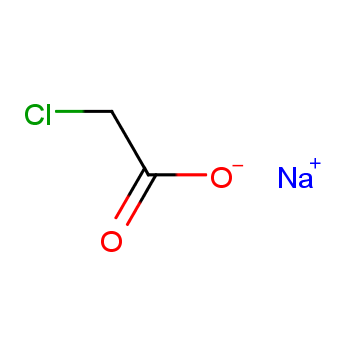
Sodium chloroacetate, with the chemical formula C2H2ClNaO2, is an organic compound that exists as a white powder at normal temperature and pressure. It has a density of 1.399g/cm3 and a solubility of 85g/100ml in water at 20℃. It is slightly soluble in methanol and insoluble in ether, benzene, acetone, and carbon tetrachloride. Sodium chloroacetate is corrosive and is an important fine chemical product used in various industries such as petroleum, organic chemistry, synthetic pharmaceuticals, pesticides, dye chemicals, and metal processing.
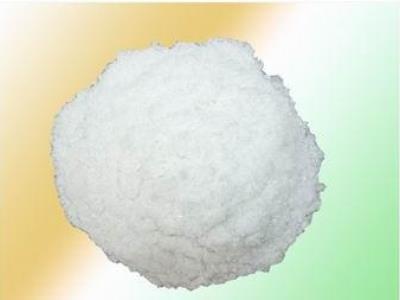
Sodium chloroacetate should be stored in a light-protected, well-ventilated, and dry place. It should be kept away from open flames, heat sources, oxidizers, acids, alkalis, and food chemicals. Adequate fire-fighting equipment should be available. The storage area should have suitable materials to contain any leaks. Sodium chloroacetate is not easily flammable but can produce toxic chlorides and sodium oxide fumes when decomposed at high temperatures. Combustion of Sodium chloroacetate produces a large amount of harmful substances such as carbon monoxide, carbon dioxide, hydrogen chloride, and sodium oxide.
In case of Sodium chloroacetate combustion, it is important to promptly extinguish the fire using water mist, foam, carbon dioxide, dry powder, or sand. The container should be moved to an open area if possible. Although Sodium chloroacetate is widely used, it is toxic and corrosive, especially causing significant irritation and corrosion to the eyes, skin, mucous membranes, and upper respiratory tract. Therefore, special attention should be paid to protection when using it. Respiratory protection is necessary when the dust concentration in the air exceeds the standard, and an air respirator should be worn during emergency situations or evacuations. Eye protection should include chemical safety goggles, and body protection should involve wearing chemical penetration-resistant work clothes. Rubber gloves should be worn to protect the hands.
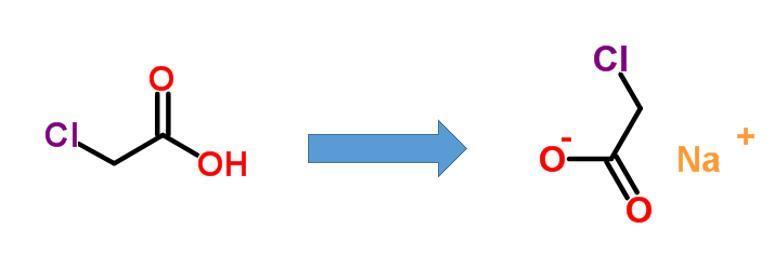
The synthesis of Sodium chloroacetate generally involves the reaction between a saturated solution of sodium hydroxide and a solution of chloroacetic acid. However, this synthesis route yields a very low product yield (around 50%), resulting in high manufacturing costs. By using anhydrous sodium carbonate instead of a saturated solution of sodium hydroxide, the yield can be significantly increased, and production costs can be reduced.
[1] Zhou, G., Chemical Hazardous Material Safety Technical Encyclopedia, Chemical Industry Press, 1997.
[2] National Environmental Protection Bureau, Toxic Chemical Management Office, Beijing Chemical Research Institute, Chemical Toxicity Regulations and Environmental Data Handbook, China Environmental Science Press, 1992.
[3] Zhang, C., Liu, Y., Selective adsorption of zwitterionic viscose fiber treated with sodium chloroacetate and hyperbranched polyethylenimine. Iranian Polymer Journal, 2021, 30, 57–65.
[4] Canadian Centre for Occupational Health and Safety, CHEMINFO Database, 1998.
[5] Canadian Centre for Occupational Health and Safety, RTECS Database, 1989.
[6] Okaecwe, T., Swanepoel, A. J., Petzer, A., Bergh, J. J., Petzer, J. P., Bioorganic and Medicinal Chemistry, 2012, vol. 20, 4336 - 4347.
 |
 |
 |
 |
 |
 |
 |
 1YR
1YR
 Contact
5YRS
Contact
3YRS
Contact
1YR
Contact
Contact
5YRS
Contact
3YRS
Contact
1YR
Contact
Dictionary Language Options: English Deutsch Français Español 日本語 한국어 Português Pусский язык عربي 中文
About Us | Service | Contact Guidechem | Feedback | CAS Index | Chemical Index | Dictionary | New Products | FAQ | Mobile Site Follow Us:Service Tel: +86-571-87759611, Marketing Tel: +86-571-89739798  Whatsapp
Copyright©2010-2026 Guidechem



 CN
CN