 |
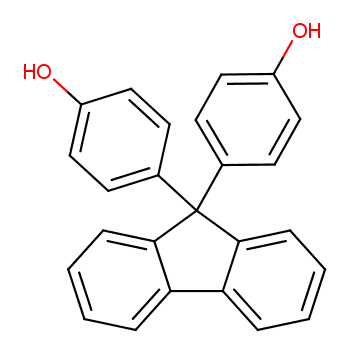
9,9-Bis(4-hydroxyphenyl)fluorene (BHPF) is a functional polymer monomer. It contains a fluorene ring, also known as a Cardo ring, which is connected to two phenol groups. This unique structure enhances the heat resistance, optical properties, and formability of polymers. As a result, it has been widely used as a raw material or modifier in the synthesis of new heat-resistant polycarbonates, epoxy resins, and polyesters in industries such as aerospace, electronics, and automotive [1].
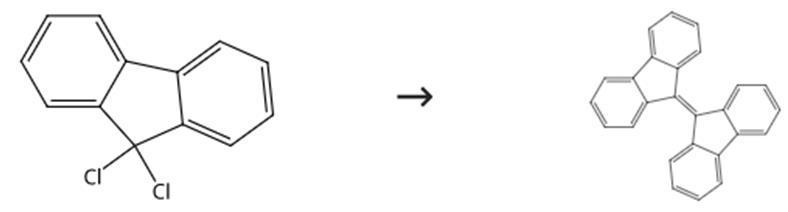
Figure 1 Synthesis route of 9,9-Bis(4-hydroxyphenyl)fluorene
The mixture of compound 1 (0.01 mol), iron(II) oxalate dihydrate (3.6 g, 0.02 mol), and dry DMF (50 mL) was placed in a nitrogen-filled round-bottom flask stored in an oil bath and mounted on a magnetic stirrer. The system was deaerated by flushing with nitrogen for 10 minutes. The contents of the flask were heated at 155-160°C. The progress of the reaction was monitored by TLC (eluent: petroleum ether/benzene). After completion, the mixture was cooled to room temperature and poured into 1N H2SO4 (200 mL). The product was extracted with CH2Cl2 (3 x 25 mL), and the combined organic phase was washed with water (25 mL) and dried (MgSO4). The solvent was removed by rotary evaporation, and the residue was analyzed by GC/HPLC. The alkene 3 was separated from the residue by crystallization to obtain 9,9-Bis(4-hydroxyphenyl)fluorene with a yield of 93%. The synthesis route is shown in Figure 1 [2].
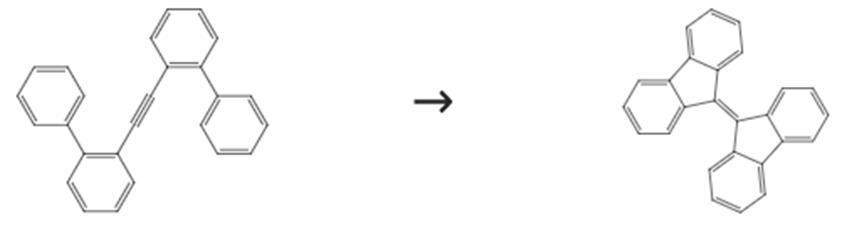
Figure 2 Synthesis route of 9,9-Bis(4-hydroxyphenyl)fluorene
A solution of diphenylacetylene derivative (0.2 mmol), PdCl2 (3.5 mg, 0.02 mmol), PivOH (2 mg, 0.02 mol), and MnO2 (53 mg, 0.6 mmol) was added to anhydrous dimethylformamide (0.4 mL, 0.5 M). The reaction flask was purged with N2 gas and sealed. The reaction mixture was stirred at room temperature for 5 minutes. The mixture was heated at 80°C for 12 hours. The reaction mixture was cooled to room temperature. The reaction mixture was passed through a short silica gel pad (Merck) using CH2Cl2/hexane. After concentration, the residue was purified by flash chromatography on silica gel (Merck) using a mixture of hexane and CH2Cl2 (100:1 to 50:1, v/v) as the eluent to obtain 9,9-Bis(4-hydroxyphenyl)fluorene with a yield of 87%. The synthesis route is shown in Figure 2.
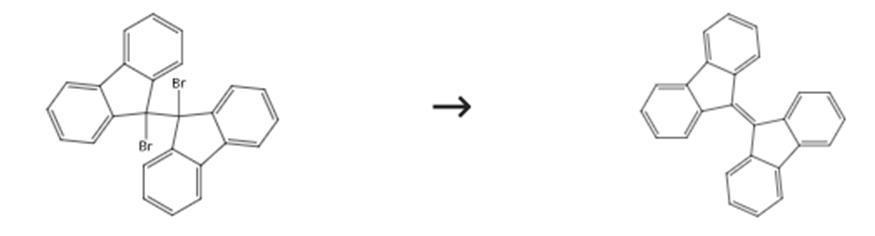
Figure 3 Synthesis route of 9,9-Bis(4-hydroxyphenyl)fluorene
A mixture of dibromide derivative (0.01 mol) and dry DMF (50 mL) was placed in a dry nitrogen-filled round-bottom flask, which was mounted on a magnetic stirrer and equipped with a reflux condenser. The system was deaerated by flushing with nitrogen for 15 minutes. The contents of the flask were heated in an oil bath maintained at 155-160°C. The progress of the reaction was monitored by TLC (eluent: petroleum ether/benzene). After the disappearance of the starting material, the flask was cooled to room temperature. The mixture was poured into ice-cold H2O (300 mL). The crude product was purified by column chromatography on silica gel (20 cm x 2 cm; 100-200 mesh) using benzene as the eluent. The mixture was extracted with CH2Cl2 (2 x 15 mL). The product was recrystallized to obtain 9,9-Bis(4-hydroxyphenyl)fluorene with a yield of 80%. The synthesis route is shown in Figure 3.
[1] Li, Xinying; E, Yongsheng; Wang, Qiang, et al. Synthesis and application research of 9,9-Bis(4-hydroxyphenyl)fluorene. Journal of Liaoning Institute of Science and Technology, 2023, 25(02), 15-17+50.
[2] Khurana, Jitender M.; et al. Stereoselective debromination of vic-dibromides to E-alkenes with dimethylformamide. Synthesis (1991), (10), 827-8.
 |
 |
 |
 |
 |
 |
 |
 3YRS
3YRS
 Contact
15YRS
Contact
6YRS
5YRS
Contact
Contact
15YRS
Contact
6YRS
5YRS
Contact
Dictionary Language Options: English Deutsch Français Español 日本語 한국어 Português Pусский язык عربي 中文
About Us | Service | Contact Guidechem | Feedback | CAS Index | Chemical Index | Dictionary | New Products | FAQ | Mobile Site Follow Us:Service Tel: +86-571-87759611, Marketing Tel: +86-571-89739798  Whatsapp
Copyright©2010-2026 Guidechem



 CN
CN