-
We detected your language preference as English. Would you like to switch to the English version for a better experience?
Switch to English
Stay here


Diethyl Ether, with the chemical formula C4H10O and CAS number 60-29-7, is a highly volatile organic compound widely used as a solvent in laboratories and as a fuel additive. It is characterized by a relatively low density, measured at 0.7134 g/cm3 at 25°C.
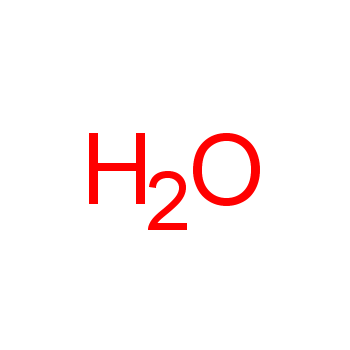
Water, with the chemical formula H2O and CAS number 7732-18-5, is a universal solvent that has a density of 1 g/cm3 at 25°C. Its importance spans across all biological systems and is crucial for life, with unique physical and chemical properties such as high heat capacity and surface tension.
Diethyl Ether and Water are two widely used compounds, but their differences in density and solubility make them unique in their applications. Many people will ask diethyl ether density vs water. While the density of water is significantly higher than that of diethyl ether, their behavior in mixtures and solutions also varies considerably, impacting their usage in chemical reactions and industrial processes.


The synthesis of diethyl ether involves a reaction between ethanol and a catalyst, whereas water is a naturally occurring compound or produced by combustion. This distinction highlights the role of diethyl ether in synthetic chemistry, particularly in reactions requiring nonpolar solvents.
Diethyl Ether and Water have diverse applications due to their distinct physical properties. The difference in their densities and solubility characteristics plays a major role in determining their suitability for various industrial, laboratory, and biological uses. The question about diethyl ether density vs water will also be answered later.

Diethyl Ether is widely used as a solvent in laboratories and industrial processes due to its ability to dissolve both polar and nonpolar compounds. Its relatively low density (0.7134 g/cm3) and volatility make it ideal for applications requiring a fast-evaporating solvent, such as extractions in organic chemistry. Diethyl ether’s limited solubility in water (6.05 g/100 ml at 25°C) allows it to be used in creating mixtures where phase separation is needed, making it invaluable in separation techniques.
Another major application of diethyl ether is in the production of pharmaceuticals, where it is used to dissolve active ingredients before they are administered to patients. Furthermore, diethyl ether is used as a fuel additive in some types of engines due to its high flammability and energy content. It also plays a role in the preparation of certain polymers and resins, where its ability to dissolve complex chemical structures is essential.
Water is indispensable in biological systems, serving not only as a solvent for biochemical reactions but also as a medium for the transport of nutrients and waste products within organisms. Its high density (1 g/cm³) allows it to provide stability and support for various life forms, ensuring an optimal environment for both biochemical and physiological processes. As a universal solvent, water plays a critical role in metabolism by dissolving nutrients, facilitating enzymatic reactions, and aiding in the breakdown of complex molecules, which supports cellular functions and energy production. Additionally, water’s ability to maintain temperature stability through its high specific heat capacity further enhances its role in maintaining homeostasis within living organisms.
In industrial applications, water is equally essential, playing a key role in cooling systems, manufacturing processes, and chemical reactions. Its high density allows for efficient heat exchange, making it vital in cooling towers, steam turbines, and industrial machinery where temperature regulation is critical. In the production of pharmaceuticals, food products, and chemicals, water is used not only as a coolant but also as a solvent and a medium for heat transfer, ensuring the smooth operation of various processes. Furthermore, water is indispensable in the synthesis of chemicals, where it aids in reactions, cleans equipment, and transports materials, underscoring its versatile and essential function in industrial processes.
Diethyl ether density vs water has been answered in detail above. In summary, the density of diethyl ether is lower than that of water, with diethyl ether measuring 0.7134 g/cm3 compared to water’s 1 g/cm3. This difference in density impacts their behavior in various applications, including their solubility characteristics and uses in industrial and laboratory settings. Diethyl ether is favored as a solvent due to its volatility and solubility properties, while water remains a fundamental solvent and medium for biological and industrial processes. Both compounds are vital in their respective fields, serving unique roles based on their density and chemical properties.
| Side Effect |
Diethyl Ether |
Water |
|---|---|---|
| Flammability | Highly flammable and volatile | Non-flammable |
| Health Risks | Can cause respiratory issues if inhaled in high concentrations | None in normal usage |
| Toxicity | Toxic if ingested in large amounts | Non-toxic |
| Environmental Impact | May contribute to air and water pollution if disposed improperly | Non-polluting in typical usage |
If you're looking to purchase these compounds, Guidechem is your go-to platform for sourcing high-quality raw materials and reliable suppliers. With our extensive global network, we connect you to a wide range of Water suppliers, ensuring you find the right products to meet your specific research or production requirements. Whether you're in pharmaceuticals, food additives, or other industries, Guidechem simplifies the sourcing process, offering verified supplier information, competitive pricing, and seamless communication.
[1]Diethyl Ether and Its Applications in Solvent Chemistry by R. T. Harris.
[2]The Role of Water in Biological Systems by L. K. Green.
[3]Water as a Universal Solvent in Journal of Chemical Education.
[4]Flammability and Toxicity of Diethyl Ether in Safety Journal of Chemical Industries.
|
 |
 |
 EN
EN
 Agricultural News
 Food News
 Industrial News
 Cosmetic News
 Pharmaceutical News
 Science News


 1YR
1YR


