-
We detected your language preference as English. Would you like to switch to the English version for a better experience?
Switch to English
Stay here


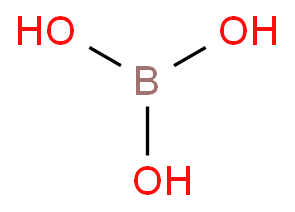
Orthoboric Acid, with the chemical formula BH3O3 and CAS number 10043-35-3, is a compound that consists of boron, oxygen, and hydrogen. It is commonly used in various applications, including as an antiseptic, insecticide, and in some industrial processes. One would say what's the difference between n-boric acid and boric acid? The terms orthoboric acid vs boric acid are often used interchangeably, as they refer to the same chemical compound. Both are weak acids commonly used as antiseptics, insecticides, and in pH buffering, with no significant difference in their chemical structure.
Borax, with the chemical formula B4H20Na2O17 and CAS number 1303-96-4, is a hydrated sodium borate salt commonly used as a cleaning agent, detergent booster, and in various industrial applications. It has a different chemical composition compared to orthoboric acid, and its uses are slightly more diverse.
The difference between orthoboric acid vs borax primarily lies in their chemical structure, uses, and applications. While both are boron-containing compounds, orthoboric acid is typically used in medical and pharmaceutical applications, whereas borax is more widely used in cleaning and industrial processes. Both compounds, however, share a common element—boron—which plays a crucial role in their chemical properties.


Both compounds are derived from boron-containing minerals but are synthesized differently. While orthoboric acid is produced by an acid-base reaction involving borax, borax itself is typically extracted from naturally occurring boron ores.
Orthoboric acid and borax have distinct applications based on their chemical properties, even though they both contain boron. These applications range from medical uses to industrial and cleaning applications.

Orthoboric acid, also known as boric acid, is widely utilized in medical and pharmaceutical applications due to its effective antiseptic properties. Its primary use is as an antiseptic agent for treating minor cuts, burns, and skin infections. The compound’s mild antimicrobial action helps to prevent infections and promotes healing by creating a safe and gentle environment for skin recovery. This makes orthoboric acid particularly useful in first aid treatments and wound care.
In addition to its topical applications, orthoboric acid is frequently used in the treatment of eye infections, especially in the form of eye drops. These drops provide relief from irritation, reduce inflammation, and help prevent bacterial or fungal infections in the eyes. Its use in ophthalmic preparations is widespread because it is gentle on the sensitive eye area while effectively combating infection and promoting healing.
Orthoboric acid also plays a significant role in treating certain types of fungal infections, such as athlete's foot, ringworm, and yeast infections. By inhibiting the growth of fungi, it can provide relief from the discomfort associated with these conditions and help manage symptoms. The compound’s antifungal properties make it a common ingredient in over-the-counter treatments for such infections.
Furthermore, orthoboric acid is found in various cosmetics and personal care products, where it serves as a pH buffer and preservative. By maintaining the stability and shelf life of these products, orthoboric acid ensures that they remain effective and safe for use over time. Its non-toxic nature when used in low concentrations makes it a preferred choice for inclusion in formulations such as lotions, creams, and shampoos, providing a gentle, non-irritating option for consumers.
Borax is a highly versatile compound primarily used in cleaning and industrial applications. One of its most common uses is as a detergent booster, where it enhances the cleaning power of laundry detergents, removing stains and neutralizing odors. It is also effective in the removal of mildew, mold, and soap scum from various surfaces.
In industrial settings, borax is utilized in the manufacture of glass, ceramics, and fiberglass, as it helps to reduce the melting point of silica and facilitates the formation of a smooth, uniform material. It also plays a role in metallurgy, where it is used as a flux to help remove impurities from metals during the refining process.
Borax is also used in pest control, as it can be effective in killing insects such as ants, cockroaches, and termites. It disrupts their digestive system and is lethal when ingested by these pests.
In conclusion, while orthoboric acid and borax are both boron-based compounds, their applications are quite distinct. Orthoboric acid is primarily used in medical and personal care applications, where its antiseptic and antifungal properties make it invaluable. Borax, on the other hand, is more commonly used as a cleaning agent, in industrial manufacturing, and in pest control. Understanding these differences allows for better utilization of each compound based on specific needs and goals.
| Drawback |
Orthoboric Acid |
Borax |
|---|---|---|
| Toxicity | Generally non-toxic in small quantities, but can cause irritation if overused | Can be toxic if ingested in large amounts and harmful to pets |
| Skin Irritation | Rare, but may cause irritation in some individuals when used frequently | Can cause skin irritation if used excessively |
| Environmental Impact | Minimal environmental impact when used appropriately | May be harmful to the environment if overused, particularly in water systems |
If you're looking to purchase these compounds, Guidechem is your go-to platform for sourcing high-quality raw materials and reliable suppliers. With our extensive global network, we connect you to a wide range of Orthoboric Acid suppliers and Borax suppliers, ensuring you find the right products to meet your specific research or production requirements. Whether you're in pharmaceuticals, food additives, or other industries, Guidechem simplifies the sourcing process, offering verified supplier information, competitive pricing, and seamless communication.
 |
|
 |
 |
 |
 |
 EN
EN
 Agricultural News
 Food News
 Industrial News
 Cosmetic News
 Pharmaceutical News
 Science News

 1YR
1YR

