-
We detected your language preference as English. Would you like to switch to the English version for a better experience?
Switch to English
Stay here


Zinc gluconate is a form of zinc derived from the zinc salt of gluconic acid, widely used in the nutrition industry as a source of elemental zinc. Zinc is a vital mineral found naturally in certain foods, added to others and consumed as a supplement to support overall health, and it is essential for immune function, DNA synthesis and cell division.
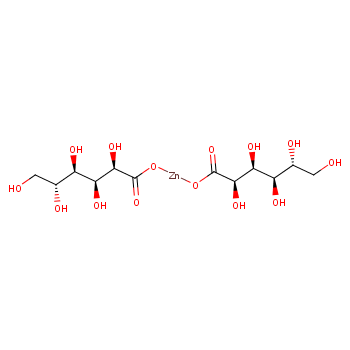
For product developers, the key technical questions are not simply whether zinc gluconate supplies zinc, but how its elemental content, solubility and organoleptic profile compare with alternative zinc sources, at what dose it delivers benefit within the tolerable intake range, and how it behaves across supplements, fortified foods and clinical nutrition. This guide consolidates those considerations into a practical B2B formulation framework.
| Function | Suitable Users | Core Technical Indicators | Compliance Framework |
|---|---|---|---|
| Dietary supplement source | Nutraceutical developers formulating tablets, capsules, gummies and chewables who need a palatable zinc source | CAS 4468-02-4; molecular weight 455.7 g/mol; 14.35% elemental zinc; neutral odor and taste | GRAS by the US FDA and approved for use as a nutrient |
| Food fortification mineral | Developers of dairy, confectionery, cereal products, desserts and infant formulas where a water-soluble zinc source is required | Readily soluble in water at about 100 g/L; practically insoluble in alcohol; stable to oxidation and pH | Approved by the EU for addition to food products as a mineral substance |
| Beverage mineral fortification | Formulators of juices, carbonated drinks, sports drinks and water where clarity and mild taste are essential | High solubility supports clear liquid formats; mild flavor avoids the bitterness of other zinc salts | Subject to the applicable maximum levels for fortified beverages per market |
| OTC lozenge active source | Manufacturers of lozenges positioned for sore throat, cough and cold-sore symptom relief | Milder flavor than zinc citrate; used as an external analgesic in OTC formats | Regulated under the applicable OTC monograph or drug framework, not only as a food |
Zinc gluconate is a zinc salt of gluconic acid with the chemical formula C12H22O14Zn, and it provides approximately 14.35% elemental zinc by weight. It is available as a white to almost white granular or crystalline powder with good solubility in water and practical insolubility in alcohol, a solubility profile that makes it convenient for both liquid and solid dosage formats.
Functionally, it is the delivery form of an essential mineral rather than a bioactive in its own right. Zinc is crucial in many bodily functions, including immune function, DNA synthesis and cell division, and zinc gluconate is used in the food and nutrition industry as a dietary supplement consumed through nutraceuticals and functional foods via fortification. The gluconate counter-ion is what gives the material its solubility and mild taste relative to inorganic zinc salts.
Its principal commercial advantages are that it is organic, water-soluble and comparatively tasteless. Those properties allow it to be used in products where an inorganic zinc source would be unacceptable, from clear beverages to chewable tablets, and they explain its frequent selection for cold remedies and lozenges.
Explore the zinc gluconate technical encyclopedia for additional chemical and application information.
| Parameter | Specification / Description |
|---|---|
| IUPAC name | Zinc (2R,3S,4R,5R)-2,3,4,5,6-pentahydroxyhexanoate |
| Common names | Zinc gluconate, zinc di(D-gluconate) |
| Molecular formula | C12H22O14Zn |
| Molecular weight | 455.7 g/mol |
| CAS Number | 4468-02-4 |
| EC number | 224-736-9 |
| Appearance at 25 °C | White, granular or crystalline powder |
Zinc gluconate is not primarily used because it performs a technical function such as gelling or preservation. Its value is nutritional: it supplies elemental zinc in a form that is absorbed efficiently, and its gluconate ligand is what makes that zinc available from an organic, water-soluble matrix rather than from an insoluble inorganic salt.
Zinc gluconate is absorbed in the body through the small intestine and transported into the bloodstream. After oral administration, zinc compounds such as zinc gluconate are excreted through feces and urine at different time points following ingestion. Because the material is organic and highly soluble, it has high bioavailability and compatibility with the body compared with inorganic zinc sources, and studies suggest the body may absorb it more efficiently than zinc citrate and zinc oxide.
Once absorbed, the elemental zinc supports the growth and performance of immune cells such as neutrophils, natural killer cells and macrophages, and deficiency affects phagocytosis, intracellular killing and cytokine production. Zinc also supports the entire wound healing process, from membrane repair and coagulation through inflammation, immune defense, tissue re-epithelialization and angiogenesis to fibrosis and scar formation, and it exhibits antioxidant and anti-inflammatory effects.
From a formulation standpoint, the gluconate ligand is as important as the zinc. It confers the solubility that allows clear liquid formats and the mild taste that distinguishes zinc gluconate from zinc citrate, which is absorbed in similar quantities but has a peculiar bitter taste. That flavour difference is why lozenges and cold remedies frequently favour zinc gluconate over other zinc salts.
Zinc gluconate is produced by neutralizing gluconic acid with a high-purity zinc source and subsequent spray-drying. This yields a white to almost white granular or crystalline powder with good solubility in water and practical insolubility in alcohol. The spray-drying step controls particle form and moisture, which in turn influence flow, compressibility and dissolution behaviour.
The purity of the zinc feedstock matters because residual impurities can affect colour, taste and heavy-metal content in the finished material. For nutrition applications the grade must be suitable for direct or indirect human consumption rather than a technical grade, and the elemental zinc content of about 14.35% is the key specification that determines the dose to be used.
For formulators, the qualification points are identity, elemental zinc content, appearance, solubility and heavy-metal limits. Suppliers typically specify loss on drying, particle size and microbial limits, and buyers should verify that the grade offered is intended for food and nutraceutical use.
From a formulation perspective, the most relevant comparison is among zinc gluconate and the other zinc sources it is commonly substituted for or blended with, rather than among unrelated chemical families. The three commonly discussed categories are organic zinc salts, inorganic zinc salts and zinc-enriched food sources.
Zinc gluconate belongs to the organic zinc salt family together with zinc citrate and other chelated forms. Its water solubility is high and its flavour mild, which distinguishes it from organic alternatives such as zinc citrate. Because it is an organic mineral source it has high bioavailability and compatibility with the body compared with inorganic sources, which is the principal reason it dominates supplement and lozenge applications.
Compared with inorganic sources such as zinc sulfate and zinc oxide, zinc gluconate offers higher bioavailability at low doses. Zinc sulfate is economical and effective but less well absorbed, while zinc oxide is poorly soluble and largely used topically. This distinction matters when a formulator is trying to achieve a target serum zinc contribution from a limited dose, since the delivery efficiency differs materially among these sources.
Zinc gluconate is also compared with zinc-enriched yeast, and in one study the net balance of zinc absorption was higher for zinc-enriched yeast than for zinc gluconate and zinc sulfate. This is a reminder that the source and matrix interact with absorption, so enrichers should be evaluated against the intended dietary context rather than on elemental content alone.
| Parameter | Zinc Gluconate | Zinc Citrate | Zinc Sulfate |
|---|---|---|---|
| CAS number | 4468-02-4 | 546-46-3 | 7733-02-0 |
| Chemical type | Organic zinc salt of gluconic acid; readily water soluble | Organic zinc salt of citric acid; water soluble | Inorganic zinc salt; very water soluble but astringent |
| Bioavailability | High at low doses; absorbed efficiently versus citrate and oxide | Absorbed in similar quantities to zinc gluconate | Effective but generally less efficiently absorbed than the gluconate |
| Taste profile | Mild, relatively tasteless; neutral odor and taste | Peculiar bitter taste that limits palatability | Astringent and metallic; difficult to mask |
| Solubility | Readily soluble in water at about 100 g/L; insoluble in alcohol | Water soluble; suitable for liquid formats | Very soluble, but can impart off-notes in beverages |
| Primary use | Supplements, lozenges, fortified foods and beverages | Supplements where a citrate mineral source is preferred | Economical supplementation and clinical applications |
| Formulation advantage | Combines solubility with a palatable taste for both solids and liquids | Good absorption profile in supplement formats | Low cost and high elemental zinc content per gram |
| Key limitation | Phytates in the matrix can inhibit absorption and copper balance must be monitored | Bitterness restricts use in chewables, lozenges and beverages | Harsh taste and astringency; can irritate the stomach |
| Property | Typical Description |
|---|---|
| Physical form | Solid, granular powder |
| Color | White to almost white |
| Odor and taste | Neutral odor and taste, a key advantage over other zinc salts |
| Molecular weight | 455.7 g/mol |
| Density | 1.44 g/cc |
| Melting point | 172–175 °C |
| Solubility | Readily soluble in water at about 100 g/L; practically insoluble in alcohol |
| Stability | Stable to oxidation and pH; thermal stability up to about 155 °C |
| Storage conditions | Keep container tightly closed in a dry, cool and well-ventilated place |
| Function | Typical Applications | Key Formulation Objective |
|---|---|---|
| Dietary supplement | Tablets, suspensions, chewables, gummies and capsules supplying elemental zinc | Deliver a precise zinc dose in a palatable, easy-to-take format |
| Functional food fortification | Dairy, confectionery, cereal products and desserts enriched with zinc | Fortify without imparting off-flavours or compromising texture |
| Infant nutrition | Infant formulas and milk substitutes requiring a well-absorbed zinc source | Provide bioavailable zinc appropriate to infant nutritional requirements |
| Beverage fortification | Juices, carbonated drinks, sports drinks and water where clarity is required | Achieve a clear, mild-tasting fortified beverage |
| Clinical nutrition | Oral clinical nutrition and parenteral nutrition supporting zinc status | Maintain zinc balance in patients with elevated requirements |
Products that frequently contain zinc gluconate include dietary supplements such as tablets, suspensions, chewables, gummies and capsules; functional foods such as dairy, confectionery, cereal products and desserts; infant nutrition such as infant formulas and milk substitutes; functional beverages such as juices, carbonated drinks, sports drinks and water; and clinical nutrition formats including oral clinical nutrition and parenteral nutrition.
Start with the intended nutritional contribution and the applicable intake reference. Work backwards from the target elemental zinc level using the 14.35% elemental content of zinc gluconate, and keep the resulting daily intake within the tolerable range. The dose should be justified by the nutritional objective rather than copied from an unrelated product.
Before batching, confirm identity, elemental zinc content, appearance, solubility and heavy-metal limits against the approved purchasing specification. A certificate of analysis should be matched against that specification, and the grade must be suitable for food and nutraceutical use rather than a technical grade.
Because zinc gluconate is readily water-soluble, it is typically dissolved into the aqueous phase or blended into the powder phase during the main compounding step, as shown in the worked formulations below. For beverages, the order of addition and the pH adjustment should be controlled to maintain clarity and avoid precipitation.
Because absorption depends on the surrounding diet and matrix, the final product should be evaluated in the context of absorption-modifying factors such as phytates and vitamin C rather than on the zinc content alone. Stability to oxidation, pH and thermal processing should also be confirmed for the finished format.
The following formulations, an oral suspension and a chewable tablet, are illustrative technical examples rather than universal commercial recipes. Actual ingredient levels must be recalculated according to the stability, taste and dosage requirements of each project.
| Ingredient | Oral Suspension | Technical Role |
|---|---|---|
| Zinc gluconate | 3.0 g | Active mineral source supplying elemental zinc |
| White granulated sugar | 120 g | Sweetener improving palatability and mouthfeel |
| Casein phosphopeptides | 0.4 g | Functional peptide helping to keep zinc in a soluble, absorbable form |
| Essence (lychee) | 0.22 mL | Flavour masking any residual mineral note |
| Citric acid | To adjust pH to 3.0–6.0 | Acidulant controlling pH for stability and taste balance |
| Water | To make up 1000 mL | Continuous phase of the suspension |
| Ingredient | Chewable Tablet | Technical Role |
|---|---|---|
| Zinc gluconate | 35 g | Active mineral source in the chewable dosage form |
| Sucrose | 85 g | Sweetener and bulking agent providing chewable texture |
| Corn starch | 150 g | Binder and disintegrant contributing structure to the tablet |
| Sodium hydroxide | Adjust to pH 6.5 | Alkalizing agent setting the target pH |
| Water | 1000 mL | Processing medium for the freeze-drying route |
Regulatory treatment of zinc gluconate reflects its dual identity as a mineral nutrient and, in some formats, an over-the-counter drug ingredient. A supplier's statement that a material is "food grade" does not by itself establish compliance in every destination market, so the intended use and destination should be checked explicitly.
| Market / Framework | Technical Relevance | Compliance Action |
|---|---|---|
| United States FDA | Zinc gluconate is generally recognized as a safe (GRAS) substance by the US FDA and is approved for use as a nutrient. | Confirm the intended use is covered and that nutrient labelling and dose declarations are accurate. |
| European Union | Zinc gluconate is approved to be added to food products as a mineral substance by the EU. | Apply the EU maximum levels for mineral fortification and confirm the permitted food categories. |
| WHO / JECFA | The Provisional Maximum Tolerable Daily Intake (PMTDI) for elemental zinc has been set at 0.3 to 1.0 mg per kg of body weight. | Design the daily dose so that total zinc intake remains within the PMTDI for the target population. |
| OTC drug framework | Zinc salts are used as over-the-counter drugs as external analgesics for fever blisters and cold sores, and zinc gluconate is used as an adjunctive therapy for diarrhea. | Determine whether the intended claims place the product under a drug framework rather than a food framework. |
| Codex and pharmacopoeial standards | Identity and purity specifications for food and nutraceutical grade zinc gluconate support consistent supply and testing. | Purchase against a recognised monograph specification and retain certificates of analysis for traceability. |
| Manufacturing quality standards | Consistent elemental zinc content and heavy-metal control are central to product safety and efficacy. | Maintain supplier qualification, batch traceability and validated methods for elemental zinc assay. |
Zinc gluconate is considered a generally recognized safe (GRAS) substance by the FDA, and its use as a nutrient is well established. The important safety consideration is not acute toxicity from normal use but the cumulative effect of prolonged high intake, because the tolerable window for elemental zinc is comparatively narrow and interacts with other trace minerals.
Ingesting doses of elemental zinc ranging from 100 to 150 mg per day for prolonged periods can interfere with copper metabolism and cause low blood copper levels, red blood cell microcytosis, neutropenia and impaired immunity. Higher doses of 200 to 800 mg per day can cause anorexia, vomiting and diarrhea. These effects underline why the WHO JECFA provisional maximum tolerable daily intake for elemental zinc of 0.3 to 1.0 mg per kg of body weight should frame any supplement design.
For product developers, the most important safety principle is to separate nutritional support from therapeutic claims. Zinc gluconate is medically not proven to be effective in treating colds, even though lozenges may relieve symptoms, and any label statement should be traceable to a current regulatory or expert-panel position rather than to a marketing narrative.
The following reference framework summarises the principal intake considerations for zinc gluconate and elemental zinc, and should be read as general guidance rather than as a fixed instruction. Actual intake depends on age, sex and health status, as well as the dietary matrix.
| Parameter | Reference Value | Functional Basis |
|---|---|---|
| Elemental zinc content | About 14.35% by weight | Determines how much zinc gluconate is needed to reach a target zinc dose |
| PMTDI for elemental zinc | 0.3–1.0 mg/kg body weight | WHO JECFA threshold for designing total daily zinc exposure |
| Threshold for copper interference | 100–150 mg/day of elemental zinc, prolonged | Marks the level at which copper metabolism and immunity may be affected |
| Threshold for gastrointestinal effects | 200–800 mg/day of elemental zinc | Marks the level at which anorexia, vomiting and diarrhea can occur |
Note: The figures above are indicative and should be confirmed against the current WHO, JECFA and national nutrition guidance and the requirements of the specific product category.
Studies suggest zinc gluconate has higher bioavailability at low doses than some other zinc sources and may be absorbed more efficiently than zinc citrate and zinc oxide. Zinc citrate is absorbed in similar quantities but has a bitter taste, while zinc gluconate is milder, which is why it is common in lozenges and cold remedies.
Zinc absorption can be influenced by other nutrients. Phytates found in grains and legumes can inhibit zinc absorption, whereas vitamin C can enhance it. In products based on plant-based matrices, this should be considered when setting the fortification level and when interpreting bioavailability data.
It is medically not proven to be effective in treating colds, although zinc gluconate lozenges are commonly used to relieve symptoms such as sore throat, cough, sneezing, stuffy nose and a hoarse voice. As an over-the-counter external analgesic it is applied for fever blisters and cold sores, and zinc supplementation is used as an adjunctive therapy for diarrhea.
Zinc gluconate should be kept in a dry, cool and well-ventilated place with the container tightly closed to maintain quality. Because it is readily water-soluble, moisture ingress can cause caking and should be avoided, and the storage conditions stated on the supplier specification should be followed.
| Identifier | Value | Resource |
|---|---|---|
| IUPAC name | Zinc (2R,3S,4R,5R)-2,3,4,5,6-pentahydroxyhexanoate | Technical encyclopedia |
| CAS Number | 4468-02-4 | Chemical dictionary |
| CAS product lookup | 4468-02-4 | Supply search |
| Supplier / trade search | 4468-02-4 | Supplier search |
1. U.S. Food and Drug Administration. GRAS status and nutrient use of zinc gluconate.
2. Joint FAO/WHO Expert Committee on Food Additives (JECFA). Evaluation of elemental zinc and provisional maximum tolerable daily intake.
3. European Food Safety Authority. Scientific opinion on dietary reference values for zinc.
4. European Parliament and Council. Regulation (EC) No 1925/2006 on the addition of vitamins and minerals to foods.
5. National Center for Biotechnology Information. PubChem compound summary for zinc gluconate.
6. U.S. Food and Drug Administration. Over-the-counter monograph for external analgesics.
7. World Health Organization. Zinc supplementation in diarrhoea management guidance.
8. Google Patents. Zinc gluconate oral suspension and chewable tablet formulation examples.
|
 |
 |
 |
 EN
 Agricultural News
 Food News
 Industrial News
 Cosmetic News
 Pharmaceutical News
 Science News


 2YRS

