-
We detected your language preference as English. Would you like to switch to the English version for a better experience?
Switch to English
Stay here


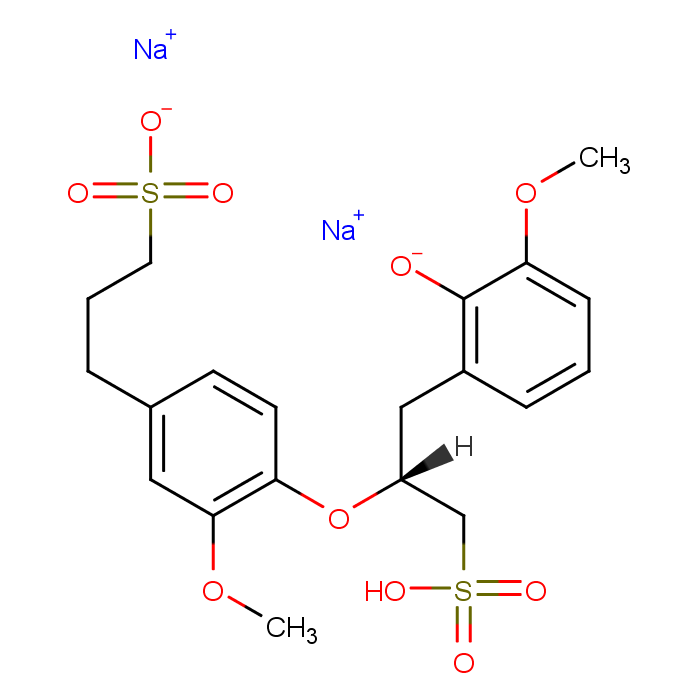
Sodium lignosulfonate, as an essential derivative of lignin, has a wide range of applications and diverse functions. It plays a significant role in various industrial sectors, such as the papermaking industry, dye industry, and pharmaceutical field. This article aims to explore the various uses of sodium lignosulfonate and its application scenarios in different industries. By delving into the functions and characteristics of sodium lignosulfonate, we can better understand the importance and potential of this compound in modern industry. Let's delve into the uses of sodium lignosulfonate and discuss its value and significance in various fields.
What is sodium lignosulfonate used for? Its applications include serving as a dispersant, emulsifier, chelating agent, and flotation agent. It is also used to enhance the biodegradation of polychlorinated biphenyls, as a concrete additive, in oil well drilling muds as a soil stabilizer and road binder, altering the viscosity of molasses in animal feed, as a binder (ceramics, bricks, and refractory materials), and as a veterinary medicine. It is a by-product of the papermaking sulfite process, whether using sodium bisulfite on wood or pulping with sodium sulfite to treat sulfite liquor.

Sodium lignosulfonate is widely used as a dispersant, binder, crystal growth modifier, emulsion stabilizer, and complexing agent. Due to its water solubility, sodium lignosulfonate is mainly applied in aqueous industrial applications, including (but not limited to):
Sodium lignosulfonate is commonly used as a binder in animal feed production to improve pellet quality and minimize dust formation during feed processing, handling, and storage.
In lead-acid batteries, sodium lignosulfonate can be used as an organic expander to significantly enhance charge acceptance, cold-start, and cycle life. In lithium-ion batteries, they can serve as dispersants for viscosity control in electrode pastes.
Sodium lignosulfonate can be used as a natural and sustainable binder in biomass pellet production to enhance durability, density, and manufacturing efficiency.
Sodium lignosulfonate can be used as a binder for pelletizing and agglomerating virgin and reclaimed carbon black to improve handling and storage while reducing dust emissions. It also serves as a dispersant for pigments, including carbon black.
What is sodium Lignosulfonate used for in ceramics? Sodium lignosulfonate can be used as a sustainable binder and dispersant in ceramic and refractory product manufacturing.
Sodium lignosulfonate can be used as a dispersant in gasification to improve the handling and flowability of coal particles.
Sodium lignosulfonate in concrete has extensive applications. It can act as a highly efficient water reducer in concrete and mortar to improve workability, strength, and durability, enhancing the sustainability of the construction industry.
When added to concrete mixes, sodium lignosulfonate can be used as a water-reducing admixture or plasticizer. They enhance the workability of concrete mixes by reducing the required water content while maintaining the desired consistency. This water-reducing effect is particularly useful in concrete mixes as lower water-cement ratios are needed to achieve higher strength and durability.
Sodium lignosulfonate molecules have high affinity for water and cement particles, aiding in the dispersion and separation of cement particles, thus achieving better particle lubrication. This, in turn, improves the flowability and workability of concrete, making it easier to place, compact, and finish. Sodium lignosulfonate also helps reduce the air content in concrete, resulting in denser and stronger final products.
Besides its water-reducing properties, sodium lignosulfonate also exhibits a certain delaying effect on the setting time of concrete. This is beneficial in situations where extending workability or longer transport times are needed. However, if precise control over setting time is crucial, the dosage and specific characteristics of the sodium lignosulfonate product used need to be considered.
Sodium lignosulfonate can serve as an environmentally friendly dust suppressant used in applications such as gravel roads, mining roads, bike paths, agriculture, stockpiles, etc., to agglomerate fine particles and reduce dust generation.
Sodium lignosulfonate can be used as a sustainable and effective emulsion stabilizer in various industries such as paints, coatings, and textiles, enhancing the stability, uniformity, and viscosity of emulsions.
Sodium lignosulfonate can be used as a sustainable dispersant and binder in gypsum board production, enhancing the flowability, workability, and strength of slurries.
Sodium lignosulfonate can be used as a cost-effective binder in raw material and process fines agglomeration, improving their storage and handling, while reducing dust emissions and improving the mechanical properties of the products.
Sodium lignosulfonate can be used as a dispersant and tanning agent in the leather industry, improving the penetration and uniformity of dyes and tanning agents while reducing the environmental impact of the process.
Sodium lignosulfonate is used in oil well drilling fluids as a fluid loss control agent and dispersant to enhance stability and reduce the risk of formation damage.
Sodium lignosulfonate can be used as a sustainable and cost-effective sizing agent in the papermaking industry to improve fiber drainage and retention, reduce the use of chemical additives, and enhance paper strength.
Sodium lignosulfonate can be used as a dispersant or grinding aid for various organic and inorganic pigments in industries such as rubber, printing inks, paints, etc., enhancing their dispersibility and stability in the final products.
Sodium lignosulfonate can be used as a filler or partial substitute for phenol in the production of resins and adhesives, thereby improving sustainability.
Sodium lignosulfonate can be used as a cost-effective, sustainable, and environmentally friendly binder for road stabilization and full-depth reclamation (FDR).
Sodium lignosulfonate serves as a sustainable dispersant in textile dyeing and printing, enhancing grinding efficiency and solid loading in water-based systems.
Sodium lignosulfonate can be used as a natural biodegradable coagulant in water treatment to aid in the removal of suspended solids and organic matter, improving its quality.
Lignosulfonates can serve as sustainable functional ingredients for plant nutrition and as auxiliary formulating agents, components, and adjuvants for crop protection. These products can also be used as binders for seed coating to enhance strength and handling. As an eco-friendly and versatile agricultural adjuvant, sodium lignosulfonate plays a crucial role in improving crop yields, soil quality, and promoting sustainable agricultural practices. With its diverse applications and minimal environmental impact, it provides promising solutions to the evolving challenges in the modern agricultural sector. So, why is sodium lignosulfonate the best choice?
Sodium lignosulfonate is often considered a harmful substance, with misconceptions about its toxicity prevailing. In fact, sodium lignosulfonate has been proven to have low toxicity. The United States Food and Drug Administration (FDA) lists it as "generally recognized as safe" (GRAS), allowing its use in food and beverages. The World Health Organization (WHO) also classifies it as "practically non-toxic." Numerous studies have shown that sodium lignosulfonate exhibits low acute toxicity to humans and animals. Large doses may cause some gastrointestinal discomfort, such as diarrhea or nausea, but these symptoms are usually transient. Long-term exposure to sodium lignosulfonate has also not been found to pose carcinogenic or other chronic health risks. Some studies even suggest that sodium lignosulfonate may have antioxidant and anti-inflammatory effects, beneficial to health.
Although the safety of sodium lignosulfonate has been widely recognized, there are still some regulatory standards and safety guidelines to be aware of. For example, in food applications, the use of sodium lignosulfonate must comply with FDA's GRAS provisions. In industrial applications, OSHA or other relevant agency safety guidelines should be followed to avoid excessive inhalation or skin contact with sodium lignosulfonate.
As a multifunctional compound, sodium lignosulfonate demonstrates its wide range of uses and importance across various industries. From bleaching agents in the papermaking industry to pharmaceutical excipients in the medical field, sodium lignosulfonate plays a significant role in diverse sectors. Through the introduction and discussion in this article, we gain a deeper understanding of the various applications of sodium lignosulfonate and recognize its indispensability in modern industry. In the future, we should continue to explore and tap into the potential of sodium lignosulfonate, driving its application and innovation in more fields, and contributing to the sustainable development of human society.
[1]https://www.borregaard.com/product-areas/lignin/your-guide-to-lignin-and-lignosulfonates/
[2]https://bisley.biz/news/sodium-lignosulphonate-vs-edta-tetrasodium-salt
[3]https://www.greenagrochem.com
[4]https://pubchem.ncbi.nlm.nih.gov/compound/44135711
|
 |
 |
 |
 |
 EN
EN
 Agricultural News
 Food News
 Industrial News
 Cosmetic News
 Pharmaceutical News
 Science News

 3YRS
3YRS

