-
We detected your language preference as English. Would you like to switch to the English version for a better experience?
Switch to English
Stay here


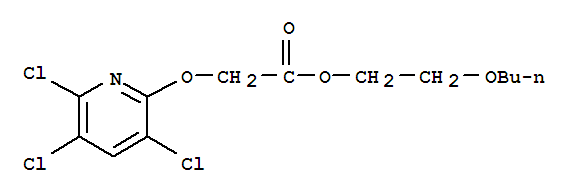
The European Food Safety Authority (EFSA) has completed its peer review of the pesticide risk assessment for the active substance triclopyr, specifically the triclopyr-butotyl variant. The assessment was based on initial evaluations conducted by Poland and Hungary, the designated rapporteur and co-rapporteur Member States, respectively. This review is part of the process required by Commission Implementing Regulation (EU) No 844/2012, as amended by Commission Implementing Regulation (EU) No 2018/1659. The conclusions were drawn from the evaluation of triclopyr's use as a herbicide on established pasture and non-recreational amenity grassland, with additional assessments for maximum residue levels (MRLs) in rice.

EFSA's peer review confirmed that the use of triclopyr-butotyl as a herbicide effectively controls target weeds on the specified grassland uses. However, the review identified several areas where data gaps and unresolved issues remain. Notably, the assessment of mammalian toxicology raised concerns, particularly regarding the representativeness of batches used in toxicity studies relative to the reference specifications. Additionally, non-dietary exposure estimates using the EFSA model exceeded acceptable levels, although earlier models did not raise such concerns.
The review also highlighted gaps in the consumer dietary risk assessment due to incomplete data, particularly concerning the recent ruminant feeding study. As a result, EFSA recommended revisiting the MRLs for animal commodities. Further, environmental exposure assessments at the EU level could not be fully completed due to missing information on the impact of water treatment processes on residues in surface water.
In the area of ecotoxicology, critical concerns were identified, especially regarding the risk to wild mammals and non-target arthropods. The risk assessment for aquatic organisms also remains incomplete. The presence of aminopyralid in the formulation used in representative applications of triclopyr further complicates the risk assessment, as a comprehensive evaluation for all non-target organisms and groundwater exposure is not yet available.
Despite the concerns raised, the peer review concluded that triclopyr and its variants do not meet the criteria for endocrine disruption in humans or non-target organisms, as defined by Regulation (EC) No 1107/2009 and its amendments.
The findings of this peer review indicate the need for further data collection and risk assessments, particularly in areas where information is lacking. These steps are essential to ensure the safe use of triclopyr-butotyl in the EU, particularly in agricultural and environmental applications.
Data source: https://doi.org/10.2903/j.efsa.2024.8177
 |
 |
 |
 EN
EN
 Agricultural News
 Food News
 Industrial News
 Cosmetic News
 Pharmaceutical News
 Science News

 6YRS
6YRS

