-
We detected your language preference as English. Would you like to switch to the English version for a better experience?
Switch to English
Stay here


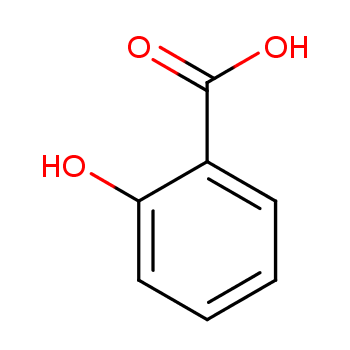
Salicylic Acid, with the chemical formula C7H6O3 and CAS number 69-72-7, is a beta hydroxy acid (BHA) widely recognized for its use in skincare. It is effective in exfoliating the skin, penetrating pores, and addressing acne and blackheads. Products like Stridex CVS often feature salicylic acid. Stridex CVS offers convenient acne treatment with salicylic acid, helping to unclog pores and reduce inflammation. These medicated pads are alcohol-free, making them gentle on the skin while effectively targeting blemishes, blackheads, and oily areas for a clearer complexion.
Fruit Acids, commonly referred to as alpha hydroxy acids (AHAs), are organic acids derived from natural sources like fruits. They include glycolic acid, lactic acid, citric acid, and malic acid. AHAs are primarily used for surface exfoliation, brightening the skin, and improving overall texture.
Salicylic Acid and Fruit Acids both play crucial roles in skincare, yet they differ significantly in their mechanisms and applications. The key distinction lies in their chemical properties—salicylic acid is oil-soluble, while fruit acids are water-soluble—making them suitable for different skin concerns and types.

Salicylic Acid is oil-soluble, allowing it to penetrate deep into the pores and effectively target excess oil buildup, making it ideal for oily skin. Its anti-inflammatory properties not only help reduce redness and irritation but also promote healing by calming inflamed skin, making it particularly beneficial for acne-prone individuals.
Fruit acids are water-soluble exfoliants that work by loosening the bonds between dead skin cells, allowing for their removal and revealing fresher, smoother skin underneath. They are generally milder than salicylic acid, making them a great option for those with sensitive skin, and they focus on improving skin hydration, texture, and radiance over time.
The contrasting solubility of these compounds dictates their specific uses—salicylic acid for deep cleansing and pore care, and fruit acids for surface exfoliation and skin brightening.
Both salicylic acid and fruit acids are staples in dermatology, offering diverse benefits depending on the user's skin type and concerns. While salicylic acid excels in treating acne and oily skin, fruit acids are ideal for enhancing skin texture and radiance.

Salicylic acid is a powerful and versatile tool for managing acne and blackheads. Its oil-soluble nature allows it to penetrate deep into the skin’s sebaceous glands, breaking down excess oil and dissolving debris that clogs pores. This action not only reduces existing acne lesions but also helps prevent future breakouts by maintaining clearer pores over time. Moreover, salicylic acid’s keratolytic properties enable it to exfoliate the skin gently, promoting the natural shedding of dead skin cells and improving overall skin texture and clarity.
In addition to its exfoliating and oil-reducing capabilities, salicylic acid offers significant anti-inflammatory benefits. By calming irritation and reducing redness and swelling, it soothes inflamed skin, making it an effective solution for active acne and post-acne marks. These combined properties make salicylic acid an essential ingredient in many skincare routines aimed at achieving healthier, smoother, and more radiant skin. Popular formulations, such as Stridex CVS pads, contain salicylic acid for convenient application, further cementing its role as a go-to solution for blemish-prone skin.
Fruit acids, such as glycolic acid and lactic acid, are best known for their ability to improve skin texture and radiance. By gently exfoliating the outermost layer of the skin, they reduce dullness and promote an even skin tone. Glycolic acid, derived from sugarcane, is particularly effective due to its small molecular size, which allows it to penetrate slightly deeper into the skin.
Moreover, fruit acids enhance skin hydration by stimulating the production of glycosaminoglycans. This makes them suitable for individuals with dry or sensitive skin who may not tolerate stronger exfoliants. Regular use of fruit acids can reduce the appearance of fine lines and wrinkles, providing a rejuvenated and youthful complexion.
Salicylic acid and fruit acids are very useful. Stridex CVS offers convenient acne treatment with salicylic acid pads that target breakouts, unclog, and reduce oil. Its alcohol-free options make it gentle yet effective for daily use.
In conclusion, salicylic acid is a powerful option for those with acne-prone or oily skin, offering deep cleansing and anti-inflammatory benefits. Fruit acids, on the other hand, are excellent for individuals seeking surface exfoliation, improved skin texture, and hydration. Both compounds are essential in skincare, addressing distinct concerns with complementary effects.
| Drawback |
Salicylic Acid |
Fruit Acids |
|---|---|---|
| Skin Irritation | May cause dryness or peeling, especially in sensitive skin | Can lead to stinging or redness, particularly in sensitive skin |
| Sun Sensitivity | Moderate increase in photosensitivity | High risk of photosensitivity; sunscreen is essential |
| Over-Exfoliation | Potential for overuse, leading to barrier damage | High risk if used excessively, causing irritation |
If you're looking to purchase these compounds, Guidechem is your go-to platform for sourcing high-quality raw materials and reliable suppliers. With our extensive global network, we connect you to a wide range of Salicylic Acid suppliers, ensuring you find the right products to meet your specific research or production requirements. Whether you're in pharmaceuticals, food additives, or other industries, Guidechem simplifies the sourcing process, offering verified supplier information, competitive pricing, and seamless communication.
[1]Skincare Chemistry by R. D. Jones.
[3]Advances in Cosmetic Science in Journal of Dermatological Research.
 |
 |
 |
 |
 |
 |
 EN
EN
 Agricultural News
 Food News
 Industrial News
 Cosmetic News
 Pharmaceutical News
 Science News

 3YRS
3YRS

