-
We detected your language preference as English. Would you like to switch to the English version for a better experience?
Switch to English
Stay here


Monocalcium phosphate is a raising agent commonly found in baking powder and used across bakery items, powdered beverages and convenience foods. It is available in monohydrate and anhydrous forms, the first faster-acting and the second deliberately delayed.

For product developers, the key questions are not simply whether monocalcium phosphate makes dough rise, but how its two forms differ in reaction rate, how it must be balanced against the alkali in a leavening system, and how its taste impact and permitted levels vary by category and market. This guide consolidates those considerations into a practical B2B formulation framework.
| Function | Suitable Users | Core Technical Indicators | Compliance Framework |
|---|---|---|---|
| Leavening acid | Bakery manufacturers who need dough to rise during mixing and deliver a fine, uniform crumb | CAS 7758-23-8; white powder; slightly soluble in cold water | FDA GRAS; EU additive E341(i) |
| Delayed-action leavening | Home baking and powdered-mix developers who need gas release held back until the bake | Anhydrous form coated with a slowly dissolving phosphate; stable up to 80 °C | Category-specific additive permissions |
| Nutrient and processing aid | Developers of powdered beverages and convenience foods | Calcium and phosphate contribution; consistent particle size | Ingredient specifications and GMP |
| Self-rising flour component | Flour millers producing phosphated and self-rising flours | 0.25-0.75% of finished phosphated flour weight; not exceeding 4.5% in self-rising flour | CFR §137.175 flour standards |
Monocalcium phosphate has the chemical formula CaH4P2O8, and both of its salts are colourless solids. When used as a component in a ready-made baking powder, the acid and alkali ingredients are included in proportions that exactly neutralise each other, so the overall pH is not significantly affected. It is soluble in mineral acids, only slightly soluble in cold water, and almost insoluble in ethanol.
The distinction between the two commercial forms is central to its use. The monohydrate is comparatively fast-acting and is typically used together with slower-acting leavening agents, releasing leavening gas during mixing so that a fine, uniform grain is achieved. The anhydrous form is coated with a slowly dissolving phosphate material that delays its reaction with baking soda, and it is typically used in home baking applications.
Explore the monocalcium phosphate technical encyclopedia for additional chemical and application information.
| Parameter | Specification / Description |
|---|---|
| Chemical name | Calcium dihydrogen phosphate (calcium phosphate monobasic) |
| Common names | Monocalcium phosphate, MCP, E341(i) |
| Molecular formula | CaH4P2O8 |
| Forms available | Monohydrate (fast-acting) and anhydrous (delayed-action, coated) |
| CAS Number | 7758-23-8 |
| EC Number | 231-837-1 |
| INS (food additive) | 341(i) |
| CA Index name | Calcium phosphate monobasic |
Monocalcium phosphate is used in baking for its acid function in a leavening system, and its behaviour is best understood by separating the chemical reaction from its timing.
As an acidic salt, monocalcium phosphate reacts with the alkaline component of baking powder, principally sodium bicarbonate, to release carbon dioxide. That gas is trapped in the dough or batter, producing the rise that turns a dense mix into a light, fluffy product. Because the acid and alkali are included in proportions that exactly neutralise each other, a balanced baking powder does not significantly shift the pH of the finished product.
The monohydrate form is comparatively fast-acting and releases leavening gas during mixing. On its own that would be too early for a well-structured crumb, so it is typically used together with slower-acting leavening agents. The anhydrous form takes the opposite approach, being coated with a slowly dissolving phosphate material that delays its reaction with baking soda. This difference in timing is why the two forms are not interchangeable.
Leavening agents significantly affect the structure and texture of the final bakery product through the release of carbon dioxide. When combined with other slow-acting leavening agents, monocalcium phosphate helps achieve a fine, uniform grain. It can, however, leave a slightly bitter, astringent taste, so optimising the dosage for each bakery good is important.
Monocalcium phosphate is produced from natural mineral substances. In food applications it is produced by partially neutralising phosphoric acid with calcium hydroxide, followed by water evaporation at low temperatures under acidic conditions. Food-grade phosphoric acid is made from phosphate rocks, which are mined, refined and purified.
Because the starting rock and the neutralisation conditions both influence the final product, buyers should evaluate assay, identity, particle-size distribution and heavy-metal specifications, and should match the certificate of analysis against the approved specification.
Monocalcium phosphate belongs to the calcium phosphate family, whose members differ in their ratio of calcium to phosphate and therefore in acidity, solubility and function. The substitution that matters most in food is mono- versus dicalcium phosphate.
Monocalcium phosphate is the acidic member of the pair and the one used as a leavening acid. It reacts readily with bicarbonate, and its two forms allow a developer to choose between fast gas release during mixing and delayed release in the oven.
Dicalcium phosphate is less acidic and behaves differently in a leavening system, so it is not simply a milder substitute. It is selected where a slower or less reactive phosphate is appropriate.
In the European Union, calcium phosphates are grouped under food additive E341 in its I, II and III subdivisions, covering monocalcium, dicalcium and tricalcium phosphates respectively. The correct subdivision must be declared.
| Parameter | Monocalcium Phosphate | Dicalcium Phosphate |
|---|---|---|
| Acidity | Strongly acidic; stable below pH 2 | Less acidic and less reactive with bicarbonate |
| Reaction speed | Monohydrate fast-acting; anhydrous delayed | Slower profile suited to different leavening needs |
| Primary food role | Leavening acid in baking powder and self-rising flour | Nutrient uses where a milder phosphate is wanted |
| Formulation advantage | Choice of gas-release timing from one additive family | Lower acidity can suit sensitive flavour systems |
| Key limitation | Slightly bitter taste at higher doses; must be balanced with alkali | Insufficient acidity for many fast-reacting systems |
| Property | Typical Description |
|---|---|
| Chemical formula | CaH4P2O8 |
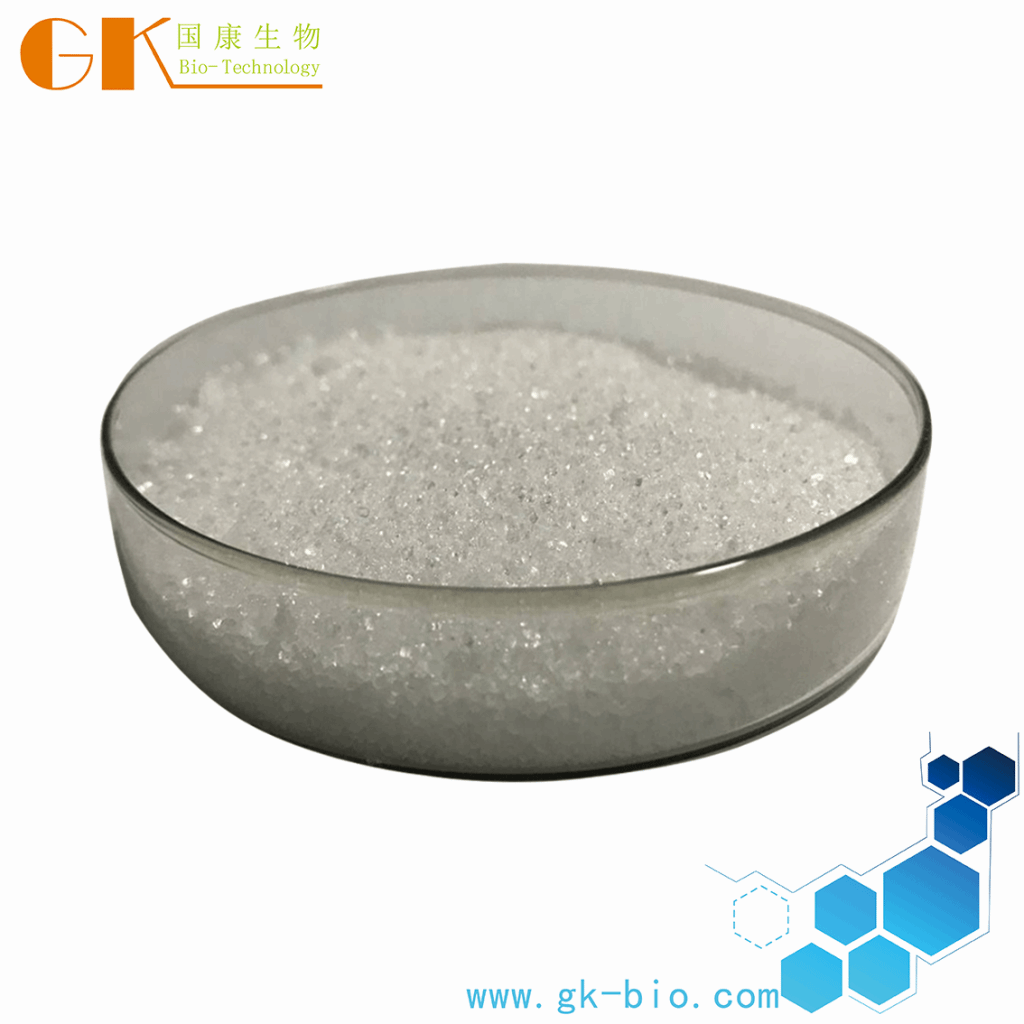
| Appearance | White powder or crystals |
| Density | 2.36 g/cm3 (anhydrous) |
| Solubility | Slightly soluble in cold water; soluble in mineral acids; almost insoluble in ethanol |
| Stability and storage | Stable at pH below 2; anhydrous form stable up to 80 °C; store cool and dry in a closed container |
| Function | Typical Applications | Key Formulation Objective |
|---|---|---|
| Leavening in bakery | Pancakes, cookies, breads and angel food cake | Produce a fine, uniform grain without an off taste |
| Powdered beverage ingredient | Energy drink powder and malted milk powder | Deliver calcium and phosphate in a stable dry blend |
| Convenience foods | Canned meals and related shelf-stable products | Maintain consistency through retort processing |
| Phosphated and self-rising flour | Flour blends intended to leaven without added baking powder | Meet the defined dosage and ash provisions |
In practice it appears wherever baked goods must rise reliably, including pancakes, cookies, breads and angel food cake, as well as in energy drink powder, malted milk powder and canned meals.
Decide whether the formulation needs fast gas release during mixing or a delayed release held back until baking. The monohydrate suits systems where a portion of the leavening is wanted early, while the coated anhydrous form suits applications such as home baking. Treat the two as distinct materials, not as interchangeable grades.
Set the acid level relative to the bicarbonate and any other leavening acids so that the finished product reaches its intended pH. Unbalanced systems can leave an acidic or alkaline taste that consumers notice even when the individual ingredients are within specification.
In phosphated flour, the recommended dosage is 0.25% to 0.75% of the weight of the finished flour, and in self-rising flours it should not exceed 4.5% based on flour weight. Because the additive can leave a slightly bitter, astringent taste, optimise the dosage for each bakery good rather than defaulting to the maximum.
Monocalcium phosphate is stable at a pH below 2, and the anhydrous form is stable up to 80 °C, so typical baking and dry storage conditions lie within its tolerance. The greater risks are segregation in dry blends and moisture pickup during storage, controlled through particle-size specification and packaging.
The following formulation is an illustrative technical example based on a baked dough rather than a universal commercial recipe. Ingredient levels must be recalculated according to the target product, raw-material grade, processing equipment and destination-market requirements.
| Ingredient | Illustrative Composition (g) | Technical Role |
|---|---|---|
| Monocalcium phosphate | 2 | Leavening acid and yeast-food component that supports dough development |
| Flour and dough flour | 552 and 298 | Principal structural network and starch source |
| Water | 314 | Hydration for gluten development and leavening reactions |
| Yeast and yeast food | 19 and 4 | Biological leavening and the nutrients that sustain it |
| Sugar and nonfat dry milk | 42.5 and 17 | Sweetness, crust colour and crumb tenderness |
| Shortening and monoglycerides | 13 and 4 | Fat phase and crumb-softening emulsifier that extend shelf life |
Regulatory treatment of monocalcium phosphate depends on whether it is used as a leavening agent in flour, as a general additive or as a nutrient source, and on the destination market. A supplier's statement that a material is food grade does not by itself establish compliance in every market or category.
| Market / Framework | Technical Relevance | Compliance Action |
|---|---|---|
| United States FDA | Approved as a food additive when used in accordance with good manufacturing practices, and Generally Recognised as Safe under Part 182, Subpart B for multiple-purpose GRAS food substances. | Confirm the intended category and current FDA requirements. |
| CFR §137.175 (flour) | Levels in flour should be between 0.25% and 0.75% of the weight of the finished phosphated flour, with allowance for added monocalcium phosphate in ash compliance. | Verify the flour standard and ash allowance. |
| European Union | Calcium phosphates are food additives E341 (I, II and III), listed in Commission Regulation (EU) No 231/2012 and classified as other additives than colours and sweeteners. | Declare the correct E341 subdivision and verify the authorisation. |
| EU REACH | A registration number may be unavailable where the substance or its uses are exempted, the tonnage does not require registration, or registration is envisaged for a later deadline. | Verify the registration status for the supply chain. |
| INS 341(i) internationally | Recognised internationally as the monocalcium phosphate subdivision of the calcium phosphate additives, subject to the relevant specifications. | Reference the current specification during supplier qualification. |
| ISO 22000 / HACCP | Food-safety management systems support control of contamination, traceability and manufacturing hazards across the supply chain. | Maintain supplier qualification and validated quality procedures. |
Monocalcium phosphate is approved by the FDA for use as a food additive in accordance with good manufacturing practices, and it is Generally Recognised as Safe under the multiple-purpose GRAS provisions. This reflects a long history of use in baked goods and a well-established safety profile at the levels used in food.
Nutritionally, the material contributes calcium and phosphate, both essential nutrients, and that contribution should be considered in the context of total dietary intake rather than in isolation. Because the additive can leave a slightly bitter, astringent taste, the principal practical concern in formulation is sensory rather than toxicological, so developers should verify the finished product's taste.
| Category | Reference Usage Level | Formulation Note |
|---|---|---|
| Phosphated flour | 0.25-0.75% of finished flour weight | Account for the added phosphate in ash calculations. |
| Self-rising flour | Not to exceed 4.5% based on flour weight | Verify against the current flour standard. |
| Bakery goods | Determined by the leavening balance | Taste-test to avoid the bitter note at higher doses. |
| Powdered beverages | Set by the calcium and phosphate target | Specify particle size for uniform dry blending. |
These values are regulatory reference examples and should not be interpreted as universal legal maximums. Product developers should use the current additive permissions and labelling rules applicable to the intended market and population.
Because leavening is about timing: combining a fast-acting acid with slower-acting leaveners lets a developer control when carbon dioxide is released. The monohydrate starts the reaction during mixing, while a slow-acting partner carries gas release into the bake, giving a finer, more uniform grain than a single leavener.
In a properly balanced ready-made baking powder it does not markedly affect overall pH, because the acid and alkali are included in proportions that neutralise each other. The same applies to custom systems: set the acid level relative to the bicarbonate and other leavening acids so the product reaches its intended pH. An unbalanced system can leave an acidic or alkaline taste.
Qualification should cover identity, assay, form (monohydrate or coated anhydrous), particle-size distribution, moisture, heavy metals and microbiological quality. Because the form determines reaction timing, the certificate of analysis must be matched against the approved specification.
No. Their timing differs by design: the monohydrate releases gas early during mixing and is normally paired with slower-acting leaveners, while the coated anhydrous form delays reaction. Substituting one for the other without rebalancing the system can change the rise and crumb structure.
| Identifier | Value | Resource |
|---|---|---|
| Chemical name | Calcium dihydrogen phosphate | Technical encyclopedia |
| CAS Number | 7758-23-8 | Chemical dictionary |
| CAS product lookup | 7758-23-8 | Supply search |
| Supplier / trade search | 7758-23-8 | Supplier search |
1. U.S. Food and Drug Administration. Code of Federal Regulations, Title 21, §182.1217: Multiple Purpose GRAS Food Substances.
2. U.S. Food and Drug Administration. Code of Federal Regulations, Title 21, §137.175: Phosphated Flour.
3. European Commission. Commission Regulation (EU) No 231/2012 on food additives, including E341 calcium phosphates.
4. National Center for Biotechnology Information. PubChem Compound Summary for Monocalcium Phosphate.
5. Bakerpedia. Monocalcium Phosphate (MCP) technical overview.
6. Food Ingredient Facts. Monocalcium Phosphate ingredient profile.
7. Google Patents. US3529970, baked dough formulation containing monocalcium phosphate.
8. ScienceDirect Topics and ChemBK. Monocalcium phosphate chemistry and applications.
|
 |
 |
 |
 EN
 Agricultural News
 Food News
 Industrial News
 Cosmetic News
 Pharmaceutical News
 Science News


 1YR


