-
We detected your language preference as English. Would you like to switch to the English version for a better experience?
Switch to English
Stay here


Sodium hydroxide (NaOH), commonly known as caustic soda or lye, is one of the most important industrial inorganic bases.
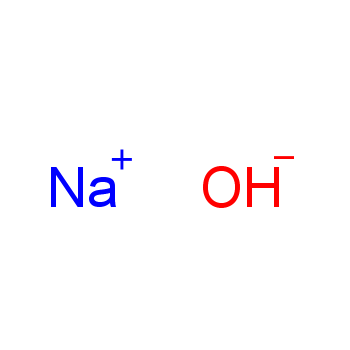
Core Definition. Sodium hydroxide is a strongly alkaline, highly corrosive inorganic compound composed of sodium cations (Na+) and hydroxide anions (OH−). Also known as caustic soda or lye, it is manufactured predominantly by the electrolysis of aqueous sodium chloride brine. Its ability to neutralize acids, dissolve or remove certain organic materials, and promote chemical transformations makes it indispensable in the production of pulp and paper, soaps, detergents, textiles, inorganic chemicals, and numerous industrial cleaning formulations.
Sodium hydroxide has a long history rooted in the development of alkali chemistry, soapmaking, and industrial chemical manufacturing. Historically, alkaline materials were obtained from plant ashes and mineral deposits. As chemical industries expanded during the nineteenth century, demand for a consistent, high-purity alkali increased, particularly for soap production, textile processing, glassmaking, and the manufacture of other chemicals.
One early industrial approach was the lime causticization process, which converted sodium carbonate, commonly known as soda ash, into sodium hydroxide by reaction with calcium hydroxide. This method helped establish large-scale caustic soda production before electrolytic technology became dominant.
Calcium hydroxide converts soluble sodium carbonate into sodium hydroxide, while calcium carbonate precipitates.
The process depends on the comparatively low solubility of calcium carbonate, which enables its separation from the alkaline liquid. Although historically important, lime causticization is no longer the principal route for general-purpose commercial caustic soda production.
The development of electrolysis-based alkali production transformed the economics of sodium hydroxide manufacture. During the nineteenth century, Charles Watt and other inventors investigated electrolytic processes for converting brine into commercially valuable chemicals. In the 1880s, Hamilton Young Castner and Karl Kellner independently contributed to the development of industrial electrolytic technologies associated with caustic soda and chlorine production.
Castner's broader industrial work also involved the production of metallic sodium, which was important in early aluminum manufacturing. The later adoption of the Hall–Héroult process for aluminum extraction reduced the importance of sodium-based reduction for this purpose. Meanwhile, the Castner–Kellner mercury-cell process helped establish an industrial system in which sodium hydroxide and chlorine could be produced together from brine.
A Defining Industrial Principle
The chlor-alkali industry demonstrates how a single electrochemical process can generate several strategically important products from a common feedstock, linking chemical manufacturing, materials processing, sanitation, and energy-intensive industry.
Traditional chlor-alkali production relied on diaphragm and mercury cells, but both technologies have undergone substantial changes. As understanding of occupational and environmental hazards improved, mercury-cell technology was increasingly displaced by alternatives that avoid mercury emissions. Modern membrane cells use ion-selective membranes to separate the anode and cathode compartments, improving product purity and generally reducing electricity consumption compared with older cell designs.
Sodium hydroxide subsequently became a foundational industrial chemical, supporting the growth of the pulp and paper, chemical synthesis, petroleum refining, soap and detergent, and alumina industries. Its continued importance reflects both its strong basicity and its versatility as a processing reagent.
Sodium hydroxide is an ionic compound consisting of sodium cations (Na+) and hydroxide anions (OH−). In the crystalline solid, these ions form an ordered ionic lattice. When sodium hydroxide dissolves in water, the ions become hydrated and the resulting solution exhibits strongly alkaline behavior.
Idealized representation of dissolution and dissociation in water.
Sodium hydroxide is a strong Arrhenius base because it increases the hydroxide-ion concentration in aqueous solution. For example, its neutralization reaction with hydrochloric acid can be represented as:
Neutralization of a strong base by a strong acid.
For dilute solutions under suitable idealized conditions, pOH is related to hydroxide concentration by pOH = −log10[OH−], and at approximately 25°C, pH + pOH = 14. These relationships require appropriate assumptions about activity and temperature; concentrated sodium hydroxide solutions may deviate significantly from ideal dilute-solution behavior.
Sodium hydroxide reacts with carbon dioxide to form carbonate or, under suitable stoichiometric conditions, bicarbonate species. This reaction explains why exposed sodium hydroxide solutions can change composition during storage.
Formation of sodium carbonate through reaction with carbon dioxide.
Because sodium hydroxide can absorb atmospheric moisture and carbon dioxide, accurate concentration measurements and suitable storage conditions are important in analytical chemistry, industrial dosing, and quality control.
Modern sodium hydroxide production is dominated by the chlor-alkali process, which electrolyzes aqueous sodium chloride brine to produce sodium hydroxide, chlorine, and hydrogen. The overall reaction is the same in principle across the principal cell technologies, although separation methods, operating characteristics, and product concentrations differ.
Industrial brine is purified to remove impurities, especially calcium and magnesium ions, that could interfere with cell performance or damage ion-selective membranes. Depending on the plant design, additional filtration, polishing, concentration adjustment, and impurity monitoring may be required.
Simplified Feedstock Preparation
Conceptual process sequence; specific treatment steps vary by facility and cell technology.
The membrane-cell process uses a selective cation-exchange membrane to separate the anode and cathode compartments. Sodium ions migrate through the membrane toward the cathode compartment, while the membrane restricts the passage of chloride and hydroxide ions sufficiently to help maintain product separation.
The overall reaction produces sodium hydroxide, chlorine, and hydrogen from brine and water using electrical energy.
The principal electrode reactions are:
Anode: Oxidation of chloride
2Cl− → Cl2(g) + 2e−
Cathode: Reduction of water
2H2O + 2e− → H2(g) + 2OH−
Sodium ions combine with hydroxide ions in the catholyte to produce sodium hydroxide solution. The cell liquor is then concentrated, when necessary, to meet commercial specifications. Chlorine and hydrogen are valuable co-products but introduce significant process hazards because chlorine is toxic and corrosive, while hydrogen is highly flammable.
| Technology | Operating Principle | Key Considerations |
|---|---|---|
| Membrane cell | A selective ion-exchange membrane separates the electrode compartments. | Generally favored in modern plants for energy efficiency and avoidance of mercury; requires highly purified brine. |
| Diaphragm cell | A porous separator limits bulk mixing while permitting electrolyte flow. | Produces more dilute caustic containing residual salt, often requiring additional concentration and purification. |
| Mercury cell | Sodium forms an amalgam at a mercury cathode and subsequently reacts with water in a separate decomposer. | Associated with substantial mercury-related environmental and health concerns; phased out or restricted in many jurisdictions. |
In mercury-cell technology, sodium produced at the cathode forms a sodium–mercury amalgam. The amalgam is transferred to a separate decomposer, where sodium reacts with water to generate sodium hydroxide and hydrogen while mercury is recovered for reuse.
Simplified net reaction for sodium reacting with water in the decomposer.
Although this technology historically produced high-quality caustic soda, concerns about mercury emissions, contamination, and long-term environmental persistence have driven the transition toward mercury-free alternatives.
Commercial sodium hydroxide is supplied as pellets, flakes, beads, or aqueous solutions at concentrations selected for the intended application. Industrial solutions are frequently marketed at concentrations around 50% by mass, while other concentrations are available according to regional requirements and customer specifications.
Improving the environmental performance of sodium hydroxide manufacturing requires attention to energy consumption, brine purification, water management, co-product utilization, and waste minimization. Because electrolysis is electricity-intensive, the carbon intensity of the electricity supply can materially influence the overall greenhouse gas footprint.
Green Chemistry Perspective: Sodium hydroxide is an essential reagent, but its environmental footprint depends on how it is manufactured and used. Modern membrane-cell technology, cleaner electricity, closed-loop resource management, and responsible handling of co-products are central to more sustainable chlor-alkali production.
Sodium hydroxide is not a nutrient or a normal metabolic substrate. Its biological significance arises from the behavior of hydroxide ions and the importance of pH regulation in living systems. Organisms maintain narrow ranges of acidity and alkalinity through buffering systems, membrane transport, and regulated biochemical processes. Concentrated sodium hydroxide disrupts these systems and can damage tissue through direct chemical action.
Hydroxide ions react with available protons and alter the acid–base equilibrium of aqueous environments. In biological tissues, an abrupt rise in pH can denature proteins, disrupt membrane structures, and interfere with normal cellular function. Unlike an ordinary nutritional ingredient, sodium hydroxide is not intended to be absorbed or metabolized as part of normal physiology.
Hydrogen and hydroxide ions combine to form water.
This equation represents a fundamental acid–base reaction. It does not imply that concentrated sodium hydroxide can be safely neutralized on the skin or inside the body.
Strong alkalis can cause liquefactive necrosis, a type of tissue injury in which chemical damage and disruption of tissue structure may allow deeper penetration. Hydroxide ions also promote the hydrolysis of ester bonds in lipids. The breakdown of lipid-containing structures contributes to the severe corrosive effects of concentrated sodium hydroxide.
This lipid chemistry is related to the industrial and domestic process of soapmaking, but biological tissue injury is not equivalent to controlled manufacturing. Exposure to sodium hydroxide can cause serious burns even when immediate pain appears limited.
Medical Safety: Sodium hydroxide ingestion or eye exposure is a medical emergency. Do not induce vomiting, attempt chemical neutralization, or delay professional care. Follow emergency guidance and seek immediate assessment by qualified medical personnel or a poison-control service.
Sodium hydroxide is among the most versatile industrial alkalis. Its principal functions include pH adjustment, neutralization, hydrolysis, chemical synthesis, and the removal or dissolution of selected organic and inorganic materials. The same reactivity that makes it commercially valuable also explains why concentration, contact time, temperature, and material compatibility must be carefully controlled.
Sodium hydroxide is used in selected food-processing applications, including the controlled peeling of certain fruits and vegetables, treatment of specific traditional foods, and cleaning of processing equipment. It can help remove fats, proteins, and other organic residues from compatible industrial surfaces. These applications depend on defined concentrations, contact times, rinsing procedures, and applicable food-safety regulations.
In agricultural supply chains, sodium hydroxide may be used in certain processing, cleaning, and pH-adjustment operations. Selected industrial feed-treatment applications have also been reported, but such uses must follow approved formulation and safety requirements. Sodium hydroxide is not a general-purpose feed nutrient, and uncontrolled exposure can damage biological tissues and contaminate feed materials.
Alkaline cleaning systems are used in suitable agricultural and food-production facilities to remove organic deposits from equipment. Selection of a cleaning formulation must account for the equipment material, the residue being removed, wastewater treatment capacity, and the risk of residual caustic contamination.
Sodium hydroxide is a major reagent in chemical pulping, particularly the kraft process. Together with sodium sulfide and other process chemicals, it helps break down lignin and separate cellulose fibers from wood. The resulting pulp can be processed into paper, packaging materials, and other cellulose-based products.
One of the best-known reactions involving sodium hydroxide is saponification, in which triglycerides react with a strong base to produce glycerol and fatty acid salts. These salts are commonly known as soap. Sodium hydroxide is especially associated with hard soaps, while potassium hydroxide is commonly used to produce softer or liquid soap formulations.
RCOONa represents the sodium salts of fatty acids; the exact products depend on the triglyceride composition.
In textile manufacturing, sodium hydroxide is used in scouring, mercerization, and other wet-processing operations. Mercerization modifies cotton fibers, often improving dye affinity, dimensional behavior, and selected mechanical properties. Sodium hydroxide also plays an important role in processing cellulose for regenerated-cellulose materials, including certain rayon manufacturing routes.
Sodium hydroxide is used in the manufacture of sodium salts, pH-control reagents, and a broad range of organic and inorganic chemicals. In petroleum refining and natural-gas treatment, selected caustic processes remove acidic contaminants or facilitate the treatment of particular streams. Actual use depends on the feed composition and process design.
In the Bayer process, sodium hydroxide dissolves aluminum-containing minerals from bauxite, enabling the recovery of alumina for subsequent aluminum production. It is also used in selected metal-cleaning, surface-treatment, and industrial processing applications where strong alkalinity is required.

Triglycerides are esters formed from glycerol and three fatty acids. Under alkaline conditions, ester hydrolysis yields glycerol and fatty acid salts, providing the chemical basis of traditional soapmaking.
Sodium hydroxide is used to adjust pH in water treatment, industrial wastewater management, and chemical processing. Raising pH can promote precipitation of selected metal hydroxides, facilitate downstream treatment, and neutralize acidic process streams. Treatment conditions must be designed for the actual contaminants and discharge requirements.
Sodium hydroxide is used in the manufacture and stabilization of sodium hypochlorite (NaOCl), an active ingredient in many bleach and disinfection products. Sodium hypochlorite chemistry differs from that of sodium hydroxide: the former provides oxidizing and disinfecting activity, while the latter is primarily a strong base and corrosive cleaning agent.
Simplified representation of chlorine reacting with cold, dilute sodium hydroxide under suitable conditions.
This reaction is provided for chemical context, not as a preparation procedure. Industrial sodium hypochlorite production requires controlled conditions, appropriate containment, and rigorous protection against chlorine exposure.
In pharmaceutical manufacturing and analytical laboratories, sodium hydroxide is used for pH adjustment, neutralization, equipment cleaning, and the preparation of selected reagents. Its use is controlled by purity specifications, validated procedures, and the requirements of the intended product or analytical method.
Sodium hydroxide is used in soapmaking and in certain cosmetic and personal-care formulations to adjust pH or support specific manufacturing reactions. In finished products, its concentration and formulation must be controlled to meet applicable safety requirements. Certain drain cleaners contain very high concentrations of sodium hydroxide and can cause severe burns.
Strong alkaline drain cleaners can break down or loosen certain organic deposits, including grease, and may assist in the removal of hair-containing obstructions. They are hazardous products rather than general-purpose household cleaners. Never combine caustic drain cleaners with acids, bleach, ammonia-containing products, or other cleaning agents unless the product label explicitly permits the combination.
Although sodium hydroxide is rarely visible in the finished materials people use, it is essential to the manufacture of paper, soap, textiles, alumina, chemical intermediates, and many cleaning products. Its value comes from controlled industrial chemistry; the same strong alkalinity also demands strict attention to safe handling.
The principal acute hazard of sodium hydroxide is its corrosive action. Both solid material and sufficiently concentrated solutions can cause severe skin burns, irreversible eye damage, and injury to mucous membranes. The severity depends on concentration, quantity, temperature, duration of contact, and the effectiveness of immediate decontamination.
| Endpoint | Scientific Interpretation |
|---|---|
| Acute skin exposure | Can cause severe chemical burns and deep tissue injury, particularly at high concentrations or after prolonged contact. |
| Eye exposure | May cause irreversible eye damage, including corneal injury and vision loss. |
| Inhalation | Mist, aerosol, or dust can irritate or chemically injure the respiratory tract. Risk depends on the form of the substance and the exposure conditions. |
| Ingestion | Can cause severe corrosive injury to the mouth, esophagus, and gastrointestinal tract. Suspected ingestion requires urgent medical assessment. |
| LD50 | A single numerical LD50 is not an adequate measure of the main hazard of sodium hydroxide. Any reported value must be tied to a specific species, exposure route, formulation, and study. Corrosivity is the central acute hazard. |
| Chronic effects | Repeated exposure may cause persistent skin damage and respiratory effects. Secondary complications can arise from severe corrosive injury. |
Sodium hydroxide dissociates into sodium and hydroxide ions in water. It does not persist as an unchanged organic pollutant and is not subject to biodegradation in the same manner as organic chemicals. Its environmental impact is primarily associated with abrupt changes in pH, ionic composition, and the resulting effects on aquatic organisms and biological treatment systems.
Large or concentrated releases can cause localized alkalinity, damaging aquatic organisms and disrupting microbial processes in wastewater treatment. Dilution, neutralization, and the resulting environmental effects depend on the quantity released, buffering capacity, water chemistry, mixing conditions, and the receiving environment. Sodium hydroxide should therefore not be discharged indiscriminately into drains or natural waters.
Environmental Clarification: Sodium hydroxide is not itself a typical persistent organic pollutant or a conventional eutrophication-driving nutrient. Its primary environmental hazard is its capacity to raise pH sharply and cause corrosive or alkaline damage. Secondary environmental effects depend on the specific release and receiving ecosystem.
For occupational applications, consult the current supplier safety data sheet and relevant national occupational health and environmental regulations. This article is an educational reference, not a substitute for emergency response instructions or a validated chemical-handling procedure.
Q1. Why is sodium hydroxide classified as a strong base?
Sodium hydroxide is an ionic compound that dissociates extensively in water, supplying sodium and hydroxide ions. Hydroxide ions accept protons from acids and increase the alkalinity of the solution. In dilute aqueous solutions, this behavior makes sodium hydroxide highly effective for neutralization, pH adjustment, and a wide range of base-catalyzed or alkaline chemical processes. Concentrated solutions, however, require careful treatment because their activities and physical properties may differ from those predicted by simple dilute-solution models.
Q2. How does the chlor-alkali process produce sodium hydroxide?
The chlor-alkali process electrolyzes purified sodium chloride brine. Chloride ions are oxidized at the anode to form chlorine, while water is reduced at the cathode to produce hydrogen and hydroxide ions. Sodium ions migrate into the appropriate compartment, where they accompany hydroxide ions in the caustic solution. The overall reaction produces sodium hydroxide, chlorine, and hydrogen. Modern membrane cells are widely favored because they avoid mercury and generally offer improved energy efficiency compared with older technologies.
Q3. Why is sodium hydroxide used to manufacture soap?
Sodium hydroxide promotes the hydrolysis of ester bonds in triglycerides, the principal constituents of many fats and oils. The reaction generates glycerol and sodium salts of fatty acids, which are the chemical compounds commonly called soap. Sodium hydroxide is generally used for hard soap formulations, whereas potassium hydroxide is often selected for softer or liquid soaps. The exact properties of the final product depend on the fatty-acid composition, formulation, and manufacturing process.
Q4. What makes sodium hydroxide hazardous, and how can its environmental impact be reduced?
Its principal hazard is severe corrosivity: concentrated sodium hydroxide can destroy tissue, cause permanent eye damage, and injure the respiratory or gastrointestinal tract. Environmental releases can sharply increase water pH and harm aquatic organisms. Risk reduction depends on suitable engineering controls, compatible storage, protective equipment, trained spill response, controlled dosing, and compliant waste management. At the manufacturing level, efficient membrane-cell electrolysis, mercury-free technology, lower-carbon electricity, and improved brine and co-product management can reduce environmental burdens.
The following references provide starting points for researching sodium hydroxide, its industrial production, physicochemical properties, and occupational and environmental hazards. Consult the current versions of technical and regulatory resources before making operational or compliance decisions.
Myers, R. L. (2009). The 100 Most Important Chemical Compounds: A Reference Guide. Greenwood Publishing Group.
Historical and industrial context for important chemical compounds, including sodium hydroxide.
National Institute of Standards and Technology (NIST). NIST Chemistry WebBook.
Reference resource for chemical identity and available physicochemical data. Search by sodium hydroxide's CAS Registry Number, 1310-73-2.
National Center for Biotechnology Information (NCBI). PubChem: Sodium Hydroxide.
Compound identification, molecular information, linked literature, and available chemical safety information.
European Chemicals Agency (ECHA). Information on Chemicals.
Regulatory information and available chemical hazard data relevant to sodium hydroxide and industrial chemical safety.
This article presents a structured overview of sodium hydroxide chemistry, history, industrial production, applications, and hazards. Reaction equations are simplified chemical representations and are not operating instructions. No unsupported numerical LD50 value or universal production statistic has been introduced. Actual industrial practices, commercial concentrations, regulatory requirements, and toxicological classifications should be verified against current primary literature, supplier safety data sheets, and relevant authorities.
 |
 |
 |
 |
 EN
 Agricultural News
 Food News
 Industrial News
 Cosmetic News
 Pharmaceutical News
 Science News


 1YR

