-
We detected your language preference as English. Would you like to switch to the English version for a better experience?
Switch to English
Stay here


Unlock the power of calcium hypochlorite for crystal clear pool water! In this comprehensive guide, we'll explore everything you need to know about using calcium hypochlorite in pools. From its benefits and applications to safety considerations and post-treatment guidelines, dive into the world of calcium hypochlorite and revolutionize your pool maintenance routine.
Maintaining pool hygiene is paramount as it directly affects swimmers' health and maintenance costs. Several methods are available for pool hygiene, including cleaning and disinfecting, controlling water quality, regular water replacement, and post-usage cleaning and disinfection.
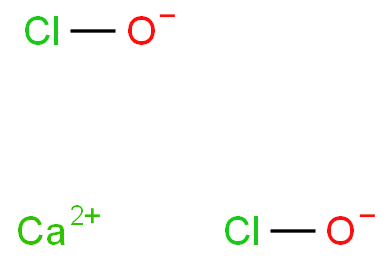
Calcium hypochlorite, a commonly used pool disinfectant, is also a bleaching agent used for pool hygiene and disinfection, effectively killing bacteria and viruses with its strong bleaching and disinfecting properties.

The use of calcium hypochlorite offers numerous benefits for pool maintenance, making it a preferred choice for pool operators. One significant advantage is its effective disinfection, eliminating bacteria, viruses, and algae from pool water, ensuring a safe and hygienic swimming environment. Calcium hypochlorite also exhibits good stability, allowing consistent and reliable disinfection performance over time. Its long shelf life further enhances practicality, reducing the need for frequent replenishment and ensuring an adequate supply for daily pool maintenance activities.
In addition to its disinfection capabilities, calcium hypochlorite offers good cost-effectiveness compared to other chlorine compounds. Its relatively low cost per unit of available chlorine makes it a cost-effective choice to maintain optimal water quality in pools, especially for large facilities or those with high swimmer loads. Furthermore, the long shelf life of calcium hypochlorite reduces the risk of product waste and minimizes the need for frequent purchases, resulting in long-term cost savings for pool operators.
Adding calcium hypochlorite to a pool requires a process different from adding liquid chlorine, requiring additional measures to avoid damaging the pool surface. To add calcium hypochlorite, users should:
(1) Fill a 5-gallon bucket with approximately 3/4 of pool water.
(2) Use PoolMath to measure the amount of calcium hypochlorite needed to raise the free chlorine level in the pool to the desired level and add it to the bucket of water.
(3) Thoroughly mix these waters until all the calcium hypochlorite is dissolved.
(4) Slowly pour this solution into your pre-existing water, with the pump set to the highest setting.
(5) Immediately brush the pool surface to ensure all calcium hypochlorite is not sitting on the pool surface.
(6) If any calcium hypochlorite is found on the floor, immediately vacuum it up to avoid damaging the pool surface. Do not let it dissolve on the floor.
While calcium hypochlorite can be used as an alternative to liquid chlorine, caution must be exercised. Calcium hypochlorite can come in several concentrations (percentage of available chlorine), with 74% being commonly available. A drawback of calcium hypochlorite is that it can release chlorine vapor even in dry conditions, which can serve as a source of oxidation and potentially cause fires if flammable materials are stored nearby. There are numerous documented reports of fires occurring.
Of particular concern is people using calcium hypochlorite improperly and exposing themselves to risks. Most retail consumers use calcium hypochlorite sold in 1-pound bags of dry powder (with holes punched in the bag to release chlorine vapor). If you use calcium hypochlorite, the correct method is to use the entire package, without leaving any open or partially used packages. Doing so can invite disaster.
Therefore, if you plan to use calcium hypochlorite in your pool this season, follow all label packaging instructions for safe operation. Additionally, ensure that any calcium hypochlorite is stored in a secure location, kept away from moisture, and kept away from any flammable materials. Here are some precautions for calcium hypochlorite:
(1) Do not place low-calcium tablets in floats or chlorinators previously used for making trichlor or dichlor tablets.
(2) Do not mix solid calcium hypochlorite with other pool chemicals, including other chlorine compounds.
(3) Do not combine partially empty packages, as this may result in dangerous mixtures, and incompatible dry chlorine agents have a similar appearance.
(4) Calcium hypochlorite can oxidize metals, which may produce contaminants that can pollute pool and spa surfaces.
Calcium hypochlorite can effectively disinfect various types of pools, including those made of concrete, vinyl, and fiberglass. Its versatility stems from its compatibility with different pool surfaces, ensuring its widespread applicability in pool maintenance. While calcium hypochlorite is generally suitable for most types of pools, pool operators should remain vigilant, especially for vinyl and fiberglass pools, as calcium hypochlorite may cause pH elevation. pH elevation may affect pool surface integrity, thus requiring careful monitoring and adjustment to maintain the desired pH balance.
An important consideration when using calcium hypochlorite in pools is pH management. When adding calcium hypochlorite to pool water, it tends to raise the pH, which can lead to imbalances and potential clarity and equipment corrosion issues. To mitigate these effects, pool operators should regularly monitor pH and make appropriate adjustments as needed. By using pH reducers or other balancers, operators can ensure the pool's pH remains within the optimal range for a safe and comfortable swimming experience.
Several factors come into play when considering swimming after adding calcium hypochlorite to the pool. (1) Ensuring calcium hypochlorite is fully dissolved and thoroughly mixed with pool water is crucial. This typically requires giving the chemical enough time to disperse and react, ensuring uniform disinfection throughout the entire pool. (2) Pool operators should verify that calcium hypochlorite has reached the desired chlorine residual level, indicating effective disinfection and hygiene of the water.
After adding calcium hypochlorite, it is advisable to wait for a specified period before swimming, allowing the chlorine levels to stabilize and ensure water safety. The wait time may vary depending on factors such as the dosage of calcium hypochlorite used, pool size, and environmental conditions. Generally, pool operators adhere to industry guidelines and manufacturer recommendations for wait times, typically ranging from 30 minutes to several hours. During this waiting period, regular water quality testing and monitoring should be conducted to verify chlorine levels, pH balance, and overall water quality. Once chlorine levels stabilize within the recommended range and other water parameters are within acceptable limits, swimming can safely resume, ensuring all pool users enjoy a clean and pleasant swimming experience.
While calcium hypochlorite is a highly effective pool disinfectant, it can sometimes lead to common issues such as chlorine odor and irritation. This problem typically arises when chlorine residual levels in pool water are too high, resulting in strong odors and potential skin and eye irritation for swimmers. To address this issue, pool operators should regularly monitor and adjust chlorine levels to keep them within the recommended range. By ensuring proper chlorination operations and balancing chlorine levels with other water parameters such as pH and alkalinity, operators can minimize chlorine odor and reduce the risk of irritation for pool users.
Although calcium hypochlorite has effective disinfectant properties, it may not always provide sufficient protection against algae growth, especially in warmer climates or pools with inadequate circulation and filtration systems. To combat algae, pool operators should implement comprehensive algae control strategies, including regular brushing, proper filtration, and the use of algaecides as needed. By maintaining proper water circulation, filtration, and hygiene measures, operators can effectively prevent algae growth and maintain a clean and clear pool environment for swimmers.
Cloudiness and other water quality issues may arise when using calcium hypochlorite. Turbidity refers to the cloudiness or haziness caused by suspended particles in pool water, affecting water clarity and aesthetics. To address turbidity and other water quality issues, operators should conduct regular water testing and monitoring to identify any imbalances or contaminants present. By taking appropriate treatment measures such as filtration, flocculation, and pH adjustment, operators can effectively improve water clarity and resolve turbidity, ensuring pool users enjoy a safe and pleasant swimming experience.
Calcium hypochlorite stands as a highly advantageous choice for pool maintenance, offering numerous benefits for both pool operators and users. Its excellent disinfection efficacy, stability, and extended shelf life make it a reliable choice for effectively eliminating bacteria, viruses, and algae from pool water, ensuring a safe and hygienic swimming environment. Through calcium hypochlorite, pool operators can maintain optimal water quality, minimize the risk of waterborne illnesses, and create a clean and enjoyable swimming experience for all pool users. For further information or consultation on using calcium hypochlorite for pool maintenance, pool operators may seek guidance from qualified professionals or industry experts to ensure safe and effective pool management.
[1] https://byjus.com/chemistry/calcium-hypochlorite/
[2] https://www.troublefreepool.com/wiki/index.php?title=Calcium_Hypochlorite
[3] Chen L, Ni Z, Fang W, et al. Disinfection of Reverse Osmosis Desalination Water[J]. Journal of Environmental Engineering, 2017, 11(03): 1383-1388.
[4] Xiao F. Application of Several Common Halogen Disinfectants[J]. Aquaculture Technology Consultant, 2011, (06): 213.
 |
 |
 |
|
 |
|
 EN
EN
 Agricultural News
 Food News
 Industrial News
 Cosmetic News
 Pharmaceutical News
 Science News

 3YRS
3YRS

