-
We detected your language preference as English. Would you like to switch to the English version for a better experience?
Switch to English
Stay here


Understanding the pH of calcium hypochlorite is crucial for effective pool maintenance. In this article, we will explore the relationship between calcium hypochlorite and pH, its chemical impact on water, and how to manage pH fluctuations. Dive into the world of calcium hypochlorite pH and discover how to maintain a balanced pool environment.
The pH of a pool is crucial for maintaining water quality. The pH range mandated by authorities for pool water quality is between 6.2 and 8.0, with the optimal range around 7.6. Both high and low pH levels can affect the activity of disinfectants, thereby impacting disinfection effectiveness and algae growth.
Calcium hypochlorite is a commonly used pool disinfectant, primarily responsible for killing bacteria, viruses, and inhibiting algae growth. If the pH is not within the appropriate range, the activity of calcium hypochlorite will decrease, affecting its disinfection effectiveness. High pH levels cause calcium hypochlorite molecules to ionize, thereby reducing disinfection effectiveness. Conversely, low pH levels increase the solubility of calcium hypochlorite, leading to faster dissipation and reduced disinfection efficacy.
Therefore, maintaining the pH of the pool within the appropriate range is essential for ensuring the health and safety of pool water, preventing algae proliferation, bacterial, and viral contamination. Simultaneously, calcium hypochlorite, as a pool disinfectant, also needs to operate within the appropriate pH range to achieve optimal effectiveness and ensure pool water cleanliness.

The pH value, representing the "potential of hydrogen," measures the acidity or alkalinity of a solution, indicating the concentration of hydrogen ions present. In swimming pool water, pH plays a crucial role in determining water quality and comfort for swimmers. With a range from 0 to 14, pH 7 is neutral, below 7 is acidic, and above 7 is alkaline. Maintaining a proper pH balance is essential for preventing corrosion of pool equipment, irritation to swimmers' skin and eyes, and optimizing chlorine disinfection effectiveness.
Several factors influence the pH value of pool water, including the introduction of chemicals, environmental conditions, and the load of swimmers. Chemical substances used for pool maintenance, such as calcium hypochlorite, when added to the water, can affect the pH value. Environmental factors like rainfall, sunlight, and temperature fluctuations can influence pH by introducing organic matter or altering chemical reactions in the water. Additionally, the number of swimmers in the pool and their activities can change pH by introducing sweat, oils, and other bodily fluids.
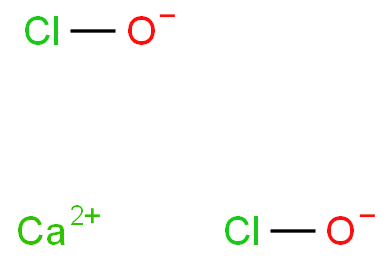
The pH value of calcium hypochlorite refers to the pH of a solution containing calcium hypochlorite. When calcium hypochlorite dissolves in water, it undergoes hydrolysis, releasing hypochlorous acid and hydroxide ions. Understanding the pH value of calcium hypochlorite is crucial for pool operators and maintenance professionals to manage water chemistry effectively, balance pH, and optimize chlorine disinfection performance.
The pH value of calcium hypochlorite depends on various factors, including its concentration, the purity of the compound, and the conditions under which it dissolves in water. Generally, when calcium hypochlorite dissolves in water, there is a tendency for the solution's pH to increase due to the release of hydroxide ions (OH-) during the hydrolysis process.
The addition of calcium hypochlorite can increase the pH of water. Due to the alkalinity of calcium hypochlorite, it raises the pH of pool water, leading to an overall increase in water alkalinity. This is primarily due to its hydrolysis upon dissolution. This process involves the release of hydroxide ions (OH-) into the solution, subsequently increasing the pH. When calcium hypochlorite dissolves in water, it forms hypochlorous acid (HOCl) and calcium hydroxide (Ca(OH)2). Calcium hydroxide, as a base, contributes to pH elevation by neutralizing any acidic components present in water.
Calcium hypochlorite can be used to address pH drift in water systems. pH drift refers to fluctuations in pH over time, which can result from various factors such as environmental conditions, chemical reactions, and microbial activity. When pH drift occurs in water systems, it can lead to adverse consequences such as equipment corrosion, inefficient chemical treatment, and user discomfort. By adding calcium hypochlorite to water systems experiencing pH drift, operators can effectively raise pH levels and restore system balance. The hydroxide ions released during the hydrolysis of calcium hypochlorite act as buffers, aiding in pH stabilization and maintaining suitable environments for various applications, including swimming pools, industrial processes, and water treatment facilities. Thus, calcium hypochlorite serves as a valuable tool for pH management, ensuring the stability and efficiency of water systems.
The addition of calcium hypochlorite can elevate the pH of water. Due to its alkalinity, calcium hypochlorite raises the pH of pool water, leading to an overall increase in alkalinity. This is primarily due to its hydrolysis upon dissolution. This process involves the release of hydroxide ions (OH-) into the solution, subsequently elevating the pH. When calcium hypochlorite dissolves in water, it forms hypochlorous acid (HOCl) and calcium hydroxide (Ca(OH)2). Calcium hydroxide, as a base, works to increase the pH by neutralizing any acidic components present in the water.
Calcium hypochlorite can be employed to address pH drift in water systems. pH drift refers to the fluctuation of pH over time, which can result from various factors such as environmental conditions, chemical reactions, and microbial activity. pH drift in water systems can lead to adverse consequences such as equipment corrosion, inefficient chemical treatment, and user discomfort. By adding calcium hypochlorite to water systems experiencing pH drift, operators can effectively raise the pH to restore balance. The hydroxide ions released during the hydrolysis of calcium hypochlorite act as buffers, aiding in stabilizing the pH and maintaining suitable environments for various applications, including swimming pools, industrial processes, and water treatment facilities. Thus, calcium hypochlorite serves as a valuable tool for pH management, ensuring the stability and efficiency of water systems.
Cyanuric acid (CYA), as a stabilizer for swimming pools, helps protect chlorine from degradation due to ultraviolet (UV) sunlight exposure. When introduced into pool water, CYA forms a protective layer around chlorine molecules, extending their effectiveness and reducing the need for frequent chlorine replenishment. However, excessive accumulation of CYA can lead to decreased chlorine efficiency, a phenomenon known as "chlorine lock," requiring corrective measures to maintain optimal water balance and pool sanitation.
The relationship between calcium hypochlorite and CYA levels in pool water is complex. While calcium hypochlorite itself does not directly increase cyanuric acid levels, its continued use as a chlorine source over time can indirectly promote cyanuric acid accumulation. This is because calcium hypochlorite, when dissolved in water, releases hypochlorous acid (HOCl), the active form of chlorine responsible for disinfection. However, HOCl is susceptible to degradation by UV light, leading to rapid depletion of free chlorine, necessitating the use of CYA to stabilize chlorine levels. Therefore, while calcium hypochlorite can effectively control cyanuric acid levels in pool water, pool operators must monitor and manage CYA levels to prevent chlorine lock and ensure effective disinfection.
Calcium hardness in pool water is crucial for maintaining chemical balance. While calcium hypochlorite contains calcium ions in its chemical composition, its contribution of calcium to water is negligible compared to other sources of calcium hardness such as calcium chloride or calcium carbonate. Calcium hypochlorite is primarily used as a disinfectant in water treatment, particularly in swimming pools and spas, where it is added to control microbial growth and maintain water clarity. Its primary function is to release chlorine into the water, which acts as a potent oxidizer for pool water disinfection. However, it is essential to note that if calcium hypochlorite is used for disinfection in water containing compounds that increase calcium hardness, such as calcium carbonate in hard water, the hydrolysis of calcium hypochlorite leading to pH elevation may result in the precipitation of calcium carbonate, potentially causing scaling. Therefore, while calcium hypochlorite itself does not directly increase calcium hardness, its use may indirectly affect the chemical properties of water, depending on the specific conditions and components of the treated water.
Unlike calcium hypochlorite, when sodium hypochlorite is added to water, it typically has a more pronounced effect on lowering pH. Sodium hypochlorite, commonly known as liquid bleach, is a strong oxidizing agent that dissociates in water to form hypochlorous acid (HOCl) and sodium hydroxide (NaOH). While hypochlorous acid contributes to the disinfection process, sodium hydroxide acts as a base and increases the pH of the solution. However, the alkalinity of sodium hydroxide partially offsets the pH-lowering effect of hypochlorous acid. Therefore, the net effect of sodium hypochlorite on pH tends to be slightly decreasing, especially compared to calcium hypochlorite, which has a more significant alkalizing effect.
When selecting the appropriate chlorine compound for pH management, specific requirements and characteristics of the water system must be considered. For water systems with higher pH levels that require adjustment towards neutrality or acidity, sodium hypochlorite may be the preferred choice due to its pH-lowering properties. Conversely, in systems requiring pH stabilization or alkalinity enhancement, calcium hypochlorite may be a more suitable option. Factors such as cost, availability, and ease of handling should also be considered when determining the optimal chlorine compound for pH management in water treatment processes, industrial applications, and swimming pool maintenance.
Understanding the impact of calcium hypochlorite on pH is essential for pool maintenance. Proper pH control is crucial for maintaining a safe and comfortable swimming environment, as it affects the effectiveness of chlorine disinfection, swimmer comfort, and the lifespan of pool equipment. Pool operators and maintenance professionals must regularly monitor and manage pH levels to ensure optimal water balance and hygiene. For further information or consultation on pH control and pool maintenance, we encourage reaching out to experts or regulatory authorities to ensure the safety and enjoyment of pool users.
[1] Li, Y., Liang, L., Zhang, L., et al. (2023). Integration of desulfurization and denitrification with hypochlorite oxidant. Chemical Exhibition, 1-11. https://doi.org/10.16085/j.issn.1000-6613.2023-1447.
[2] Trouble Free Pool. (n.d.). Using Calcium Hypochlorite and Trouble Keeping the pH Down. Retrieved from https://www.troublefreepool.com/threads/using-calcium-hypochlorite-and-trouble-keeping-the-ph-down.
[3] Wikipedia. (n.d.). Calcium Hypochlorite. Retrieved from https://en.wikipedia.org/wiki/Calcium_hypochlorite.
 |
|
 |
|
 |
|
 EN
EN
 Agricultural News
 Food News
 Industrial News
 Cosmetic News
 Pharmaceutical News
 Science News

 3YRS
3YRS

