Dicofol is a chlorinated hydrocarbon pesticide primarily used as an acaricide. It is closely related to DDT in terms of chemical structure, but differs in its application and effects. This article explores the physical properties, mechanism of action, applications, and safety concerns associated with dicofol.

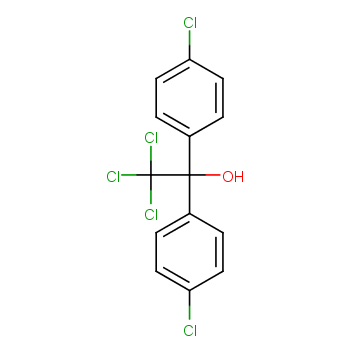
Dicofol, chemically known as 4,4'-Dichlorobenzhydrol, is a synthetic compound with the chemical formula C14H9Cl5O. The compound has a molecular weight of 370.5 g/mol. Dicofol appears as a white crystalline solid, with a melting point of 77-79°C and a boiling point of 183°C at 0.2 mm Hg. It has a faint aromatic odor, characteristic of chlorinated hydrocarbons. The structure of dicofol consists of two aromatic rings connected by a methylene bridge, with chlorine atoms attached to both rings. The CAS number for dicofol is 115-32-2.

Dicofol is synthesized from DDT through a controlled hydrolysis process that converts DDT to dichlorodiphenylmethane, which is then oxidized to form dicofol. This transformation reduces the compound's persistence in the environment, although it retains some of the characteristics of its parent compound. The primary mode of action of dicofol is its effectiveness as an acaricide, which targets mites, particularly the spider mites that infest crops.
Dicofol exerts its effects by disrupting the nervous system of mites. It acts on the sodium channels in nerve cells, leading to uncontrolled nerve impulses, paralysis, and eventual death of the target pests. Dicofol's selectivity for mites over other insects makes it a preferred option in integrated pest management, particularly in agriculture where mite infestations are a significant problem.
Despite its effectiveness, dicofol's structural similarity to DDT has raised environmental concerns, particularly regarding its potential to bioaccumulate and its impact on non-target species. However, modifications in its synthesis and formulation have been aimed at reducing these risks.
Dicofol is widely used in agriculture, particularly in the cultivation of fruits, vegetables, and ornamental plants, where mite infestations can cause significant damage. Its ability to control spider mites has made it an essential tool for farmers dealing with these pests. In addition to its use in agriculture, dicofol is also employed in greenhouse settings to protect ornamental plants from mite damage.
In the agricultural industry, dicofol is often applied as a foliar spray, allowing for direct contact with the pests. It is especially effective in crops like citrus, apples, and cotton, where mites can reduce yield and quality. Beyond agriculture, dicofol has found use in the control of mites in beekeeping, where it helps maintain the health of bee colonies by reducing mite infestations.
However, the use of dicofol has been restricted in several countries due to environmental concerns, particularly its potential to contaminate water bodies and its persistence in the environment. Despite these restrictions, dicofol remains in use in certain regions where its benefits in pest control are considered to outweigh the environmental risks.
Dicofol is classified as a hazardous substance due to its potential health and environmental effects. Acute exposure to dicofol can cause irritation to the skin, eyes, and respiratory tract, and prolonged exposure may lead to more severe health effects, including potential neurotoxicity.
Environmental concerns regarding dicofol primarily stem from its persistence in the environment and its potential to bioaccumulate in the food chain. This has led to restrictions on its use in many countries, particularly in regions where it has been detected in water bodies and in wildlife.
To mitigate the hazards associated with dicofol, it is essential to follow strict safety guidelines during its application. Personal protective equipment (PPE) should be worn by individuals handling the compound, and application should be conducted in a manner that minimizes environmental contamination. Additionally, it is crucial to adhere to local regulations regarding dicofol use and to seek alternatives where available.
Dicofol remains an important tool in the control of mite infestations in agriculture and other industries, despite the concerns regarding its environmental impact. Its effectiveness as an acaricide makes it valuable, but users must follow safety guidelines and regulations to minimize risks. Consulting with experts or authorities is recommended before using dicofol, particularly in sensitive environments or where alternative pest control methods may be available.
|


 6YRS
6YRS

