DSIP (Delta Sleep Inducing Peptide), widely researched as a neuropeptide, is believed to play a crucial role in regulating sleep and mood. For many, sleep quality is essential for health and well-being. Hence, understanding the correct dosage and usage of DSIP may aid in improving sleep quality and alleviating insomnia issues. This article delves into how to use DSIP correctly for enhancing sleep and provides relevant recommendations and guidance.
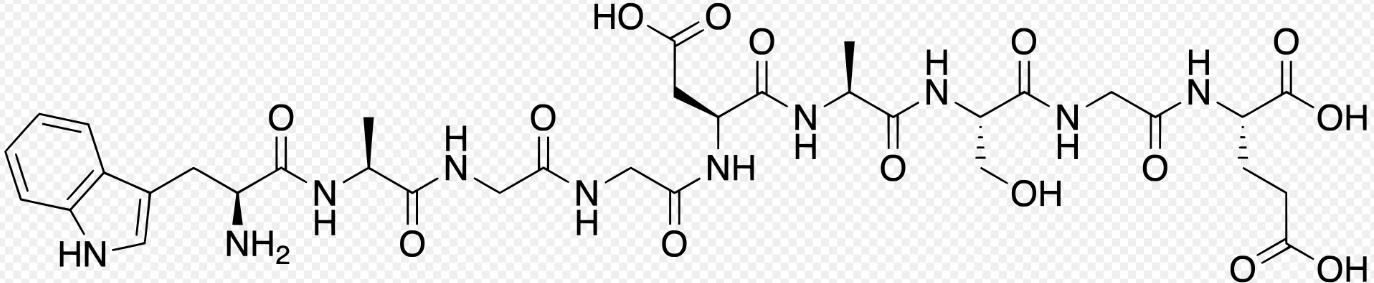
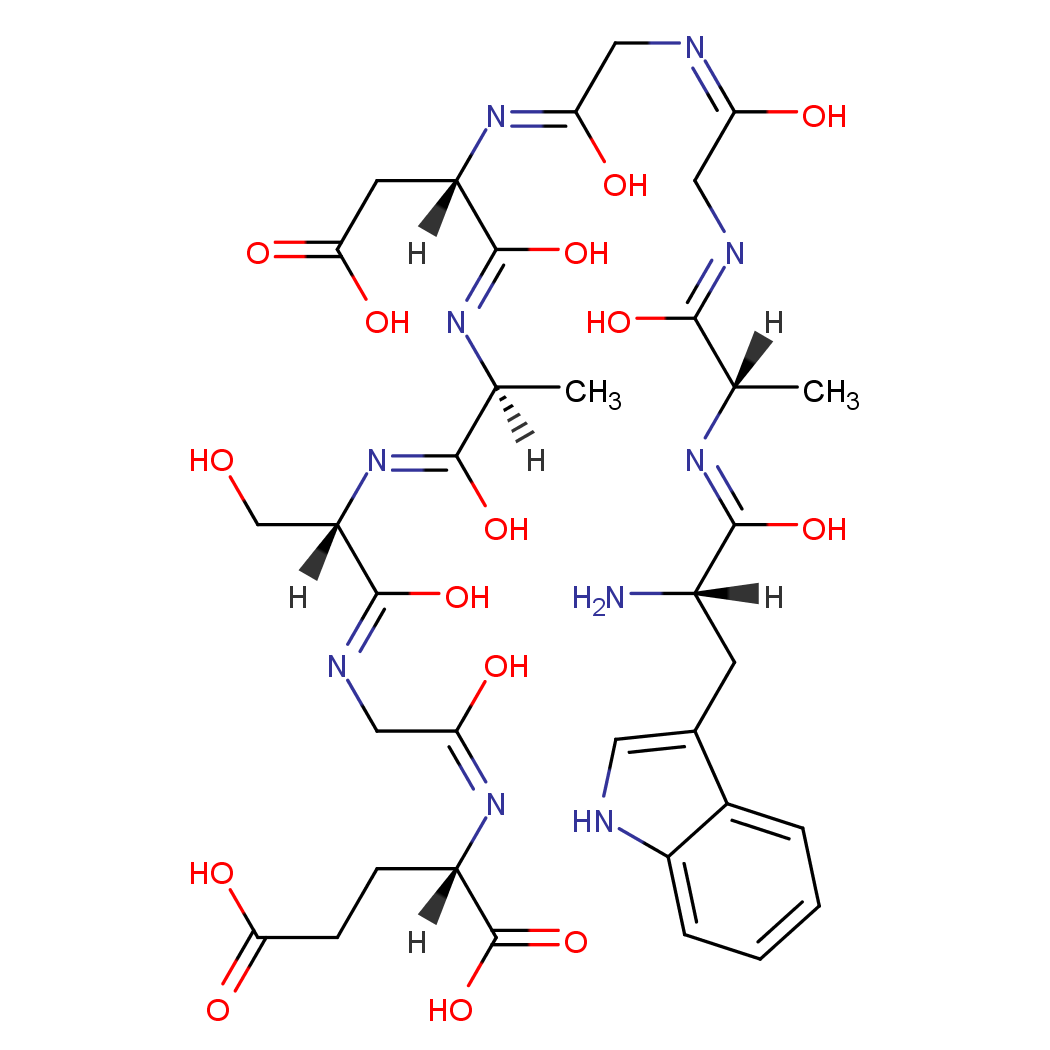
DSIP, or Delta Sleep Inducing Peptide, is a nonapeptide that affects neuroregulation and is typically found in the brain, crossing the blood-brain barrier rapidly. Research suggests that DSIP and its analogs are classified as peptide neuromodulators. Studies also indicate a stress-protective role for DSIP, aiding in reducing stress metabolism in humans and animals. DSIP's sleep-inducing action also modulates the activity of GABAergic vesicles and other neuronal systems.

DSIP, an abbreviation for Delta Sleep Inducing Peptide, is a naturally occurring peptide synthesized in the hypothalamus and other brain regions. It is now widely believed that many peptides do not exhibit a dose-response relationship saturation curve. Optimal effects of DSIP-induced delta waves have been found at around 7 nmol/kg (ICV) and approximately 30 nmol/kg (intravenous injection [IV]), although differences may be observed even within different brain infusion sites. This may represent a manifestation of a inverted U-shaped dose-response curve. Studies suggest that there might be another bell-shaped curve concerning the duration of IV infusion. Infusion for 1 minute has no effect on sleep, while infusions of 2.5 and 7.5 minutes are more sleep-enhancing compared to a 20-minute infusion.
DSIP gained its name from its action in increasing delta waves (sleep) in rabbit electroencephalograms (4 Hertz). This increase in these waves has been used to assay the peptide. So far, this has been the most prominent action of DSIP. It has also been confirmed in rabbits, rats, and mice, and observed to last for several hours. According to results published by Karmanova et al. and Medvedjev et al., ICV injections of higher doses of DSIP (20 nmol/kg and above) produce anesthesia-like effects in different animals.
This to some extent supports the findings of several other research groups that found no sleep-enhancing effects of DSIP at concentrations of 30-160 nmol/kg IP or 6-24 nmol/kg ICV. It is currently unclear whether concentrations applied were too high or other factors were involved. A more detailed study from Shanghai reported significant increases in delta and sigma activity in rabbits following ICV (5 μg/rabbit) or IV (50 μg/kg) application of dsip by the same group. The same group reported similar potencies for a Phe 5 analog and several other analogs.
According to Borbély and Tobler, the findings regarding DSIP's effects on various sleep forms are inconsistent with natural sleep factors, as they assumed this compound's impact on time course and sleep state should be the same across different species. However, no effect of DSIP was detected at 300 nmol/kg. Both non-rapid eye movement and rapid eye movement sleep were enhanced in males.
DSIP dosage varies based on individual needs and specific circumstances. Consultation with healthcare professionals is essential for personalized guidance. DSIP can be administered via subcutaneous injection or nasal spray, with the choice of administration method influenced by factors such as ease of use and expected effects.
Injecting DSIP subcutaneously or intramuscularly allows for rapid absorption into the bloodstream, resulting in quicker effects. This method is typically used in medical settings but requires proper sterilization and injection techniques.
Oral administration involves ingesting DSIP in capsule or liquid form. However, DSIP is prone to degradation in the digestive tract, potentially reducing its effectiveness. Therefore, oral administration may not be as effective as other methods.
Placing DSIP solution under the tongue allows for direct absorption into the bloodstream through the sublingual mucosa. This method bypasses the digestive system, leading to faster onset of action and potentially higher bioavailability compared to oral administration.
Always adhere to recommended dosage guidelines provided by healthcare professionals or product manufacturers. Start with lower doses and gradually increase as needed.
Administer DSIP approximately 30 minutes before bedtime to align with the body's natural sleep cycle. This allows the peptide sufficient time to take effect.
Establish a consistent dosing schedule to optimize effectiveness of the peptide. Consistency over time helps regulate sleep patterns and improve sleep quality.
Create a conducive sleep environment by minimizing noise, light, and disturbances. A comfortable, relaxing atmosphere can enhance the effects of DSIP.
DSIP shows promise in improving sleep quality, but its effectiveness depends on what you're aiming for:
Research on humans indicates that DSIP can induce feelings of drowsiness within minutes.
In the first study applying DSIP (synthetic δ-sleep-inducing peptide) to humans, conducted by D. Schneider-Helmert et al., in six normal volunteers (four males and two females), in a wide-ranging psychophysiological observation and double-blind crossover design, DSIP was slowly intravenously infused at a dose of 25 nmol/kg in the morning. Subjects immediately reported a sensation of sleep pressure, with a 59% increase in sleep within 130 minutes post-treatment (median total sleep time). The delayed impact on subsequent nighttime sleep included shorter sleep onset latency, decreased percentage of stage 1 sleep, and higher sleep efficiency. However, complex behavioral and electroencephalographic analyses showed no classical pharmacological sedative effects. Results indicate that human DSIP is also effective by maintaining natural sleep functions. The compound is well-tolerated, with no observed psychological, physiological, or biochemical side effects.
Studies suggest that after several nights of continuous use, it can improve sleep onset latency (time required to fall asleep) and sleep efficiency (percentage of actual sleep time).
F. Bes et al. investigated the effects of delta sleep-inducing peptide (DSIP) on sleep in 16 chronic insomniacs based on a double-blind paired parallel group design. Subjects slept continuously in the laboratory for 5 nights. The first night was used for adaptation, and the second night for baseline measurements. On the afternoons of the third, fourth, and fifth nights, half of the patients received intravenous injections of DSIP at a dose of 25 nmol/kg body weight, while the other half received a glucose solution (placebo). Objective (polysomnography) and subjective sleep quality as well as subjective fatigue were assessed. Results for objective sleep quality indicated that compared to placebo, DSIP led to higher sleep efficiency and shorter sleep onset latency. A subjective measure of fatigue was reduced in the DSIP group. However, data analysis showed statistically significant effects were weak, partly possibly due to chance variations in the placebo group. Since other indicators (including subjective sleep quality) showed no changes, the conclusion is drawn that short-term treatment of chronic insomnia with DSIP is unlikely to have major therapeutic benefits.
However, it should be noted that DSIP is still under research and has not been approved for treating sleep disorders. More research is needed to determine its long-term effects and safety.
While DSIP is generally considered safe, it may pose potential risks including allergic reactions, drowsiness, and interference with other medications. Individuals with underlying conditions or taking other medications should proceed with caution and consult healthcare professionals before using DSIP.
Optimal dosing and administration timing are crucial for the effectiveness of DSIP. In exploring DSIP dosage and administration methods, it's understood that proper DSIP usage may have a positive impact on improving sleep quality. However, individual body conditions and sleep needs may vary, so it's advisable to consult a doctor or healthcare professional before using DSIP to ensure safety and efficacy. By collaborating with medical experts, personalized advice and guidance can be obtained to help make better use of DSIP in improving sleep quality.
[1] https://pubmed.ncbi.nlm.nih.gov/6145137/
[2] https://vitality-sciences.com/peptides/what-is-dsip-delta-sleep-inducing-peptide/
[3] https://morphwellnessmd.com/unlock-deep-sleep-the-power-of-dsip-delta-sleep-inducing-peptide/
[4] https://pubmed.ncbi.nlm.nih.gov/6895513/
[5] https://pubmed.ncbi.nlm.nih.gov/1299794/
[6] https://pubchem.ncbi.nlm.nih.gov/compound/68816
 |
|
 |



 1YR
1YR