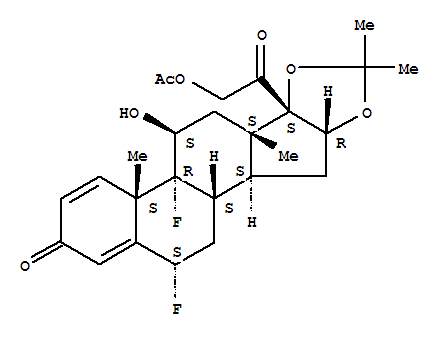
Fluocinonide is a topical medication commonly used to treat various skin conditions, including eczema, skin itching, psoriasis, and neurodermatitis. It works by reducing inflammation and swelling of skin cells, relieving itching and pain, and promoting skin cell regeneration to aid in skin repair and healing. This article will explore the fluocinonide uses.
Fluocinonide is a corticosteroid used topically to reduce swelling, redness, itching, and allergic reactions on the skin. It is also used for other purposes. Common brand names include Fluovix, Fluovix Plus, Lidex, Lidex-E, and Vanos.
This medication is for external use only. Do not ingest. Follow the instructions on the prescription label. Wear gloves when applying the medication. Apply a thin layer of the medication to the affected area as directed, then gently rub in. Do not use on healthy skin or large skin areas. Avoid getting this medication in your eyes. Do not exceed the prescribed dose. Use for no more than 14 days unless directed by a doctor. What is fluocinonide used to treat?
Fluocinonide is an effective corticosteroid that helps alleviate inflammation, itching, and redness caused by eczema and atopic dermatitis. By suppressing the immune response that causes these symptoms, fluocinonide can significantly reduce discomfort, prevent flare-ups, promote skin healing, and decrease the frequency of severe flare-ups.

For patients with psoriasis, fluocinonide helps control the thick, scaly plaques characteristic of this chronic condition. Its anti-inflammatory properties reduce excessive skin cell production and inflammation, thereby reducing plaque formation and associated itching.
Fluocinonide is also effective in treating various forms of allergic reactions and dermatitis, including contact dermatitis. Its mechanism of action calms the skin's inflammatory response to allergens or irritants, reducing swelling, redness, and itching, making it a valuable option for managing acute episodes of allergic skin reactions and providing rapid relief.
Fluocinonide can be used to treat scalp psoriasis, reducing swelling, itching, and redness associated with scalp psoriasis.
What does fluocinonide do for hair loss? Does fluocinonide help hair growth? Topical corticosteroids like fluocinonide have been used to treat hair loss in areas affected by alopecia areata. Treatment, usually once or twice a day, may take 3 months or longer, but relapse is common. Some individuals with this condition may respond to high doses of topical corticosteroids applied to the areas of hair loss.
(1) Topical fluocinonide comes in various strengths of ointments, creams, solutions, and gels for skin use. It is typically used once to four times daily. Follow the instructions on the prescription label carefully, and ask your doctor or pharmacist to explain any part you do not understand. Use fluocinonide topically exactly as directed. Do not use more or less of it or use it more often than prescribed by your doctor. Do not apply it to other parts of your body or wrap or bandage the treated area unless directed by your doctor.
(2) Your skin condition should improve within the first 2 weeks of treatment. If your symptoms do not improve during this time, call your doctor.
(3) To use fluocinonide topically, apply a small amount of the ointment, cream, solution, or gel to the affected skin area, cover with a thin film, then gently rub in. Wash your hands immediately afterward.
(4) Read the enclosed written instructions carefully before using fluocinonide topically for the first time. Ask your doctor or pharmacist to explain any part you do not understand.
(5) This medication is for skin use only. Do not let fluocinonide topical get into your eyes or mouth, and do not swallow it. Avoid using on the face, genital area, rectal area, and skin folds and armpits unless directed by a doctor.
(6) Do not bandage or wrap the treated area unless your doctor tells you to. Doing so may increase side effects.
(7) If you are using fluocinonide in the diaper area of a child, do not use tight-fitting diapers or plastic pants. Doing so may increase side effects.
(8) Do not apply other skin preparations or products to the treatment area unless directed by your doctor without consulting a doctor.
Fluocinonide is a medium-strength corticosteroid that can reduce swelling, itching, and redness. This medication can improve your melasma but cannot cure it. Continued exposure to certain factors that cause melasma (such as sunlight, estrogen-containing contraceptive hormones) may lead to melasma recurrence.
Fluocinonide is not an antifungal cream. It is an effective topical corticosteroid cream used to reduce inflammation and itching of plaque psoriasis and atopic dermatitis (eczema) and other conditions. Combination therapy with antifungal drugs and corticosteroid creams (e.g., Lotrisone cream) can be used for jock itch, ringworm, or athlete's foot in patients aged 17 and older. Due to the risk of side effects and treatment failure, many clinicians do not prescribe topical corticosteroids and topical antifungal medications.
Topical fluocinonide is used to relieve itching, redness, dryness, crusting, scaling, inflammation, and discomfort associated with various skin conditions, including plaque psoriasis (a skin condition that forms red, scaly plaques on certain parts of the body) and eczema (a skin condition that causes dry, itchy skin and sometimes red, scaly rashes). Fluocinonide belongs to a class of medications called corticosteroids. It works by activating natural substances in the skin to reduce swelling, redness, and itching.
Fluocinonide is a commonly used topical corticosteroid medication with anti-inflammatory, antiallergic, and antipruritic properties. It is widely used in dermatology clinics with good efficacy. Patients should use fluocinonide appropriately under the guidance of a doctor or pharmacist to achieve optimal therapeutic effects and reduce the occurrence of adverse reactions.
[1]https://www.webmd.com/drugs/2/drug-32574/fluocinolone-hydroquinone-tretinoin-topical/details
[2]https://www.drugs.com/medical-answers/fluocinonide-antifungal-cream-3547637/
[3]https://www.webmd.com/drugs/2/drug-92942/fluocinolone-for-the-scalp-and-shower-cap/details
[4]https://medlineplus.gov/druginfo/meds/a601054.html
[5]https://www.drugs.com/medical-answers/fluocinonide-hair-loss-3555435/
[6]https://www.medicinenet.com/what_are_the_side_effects_of_fluocinonide/article.htm
 |
|
 |



 4YRS
4YRS