-
We detected your language preference as English. Would you like to switch to the English version for a better experience?
Switch to English
Stay here


Fluorescent Brightener 367 is a chemical additive widely used in textiles, paper, plastics, and detergents, aimed at enhancing the brightness and whiteness of materials. Its working principle involves absorbing ultraviolet light and emitting blue light, thereby neutralizing the yellowish tint in materials, making them appear whiter and brighter. Due to its excellent whitening effect and wide applicability, Fluorescent Brightener 367 has been extensively used in multiple industrial sectors. This article will provide a detailed overview of the characteristics, applications, and safety of Fluorescent Brightener 367.
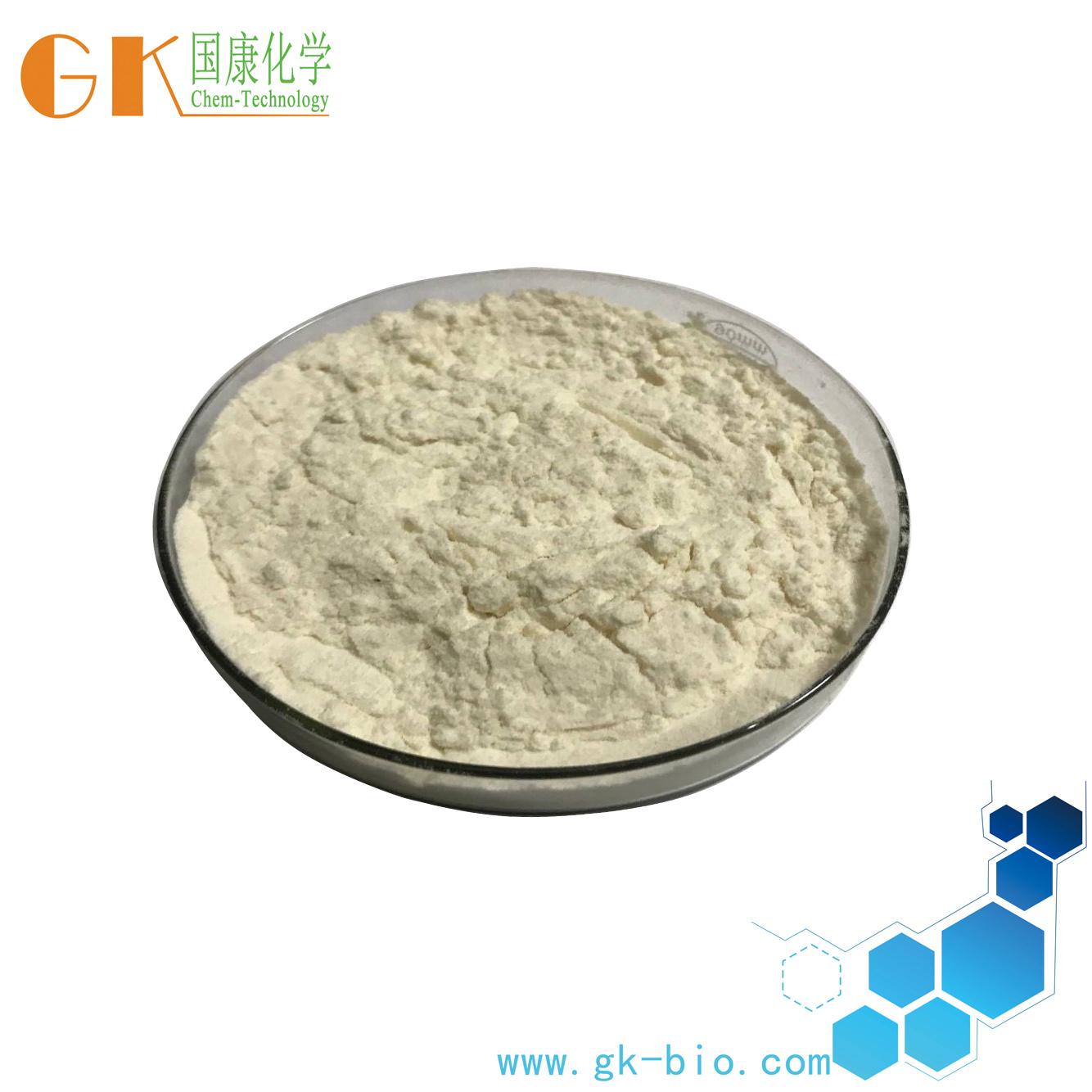
Fluorescent Brightener 367, also known as CAS 5089-22-5, has the molecular formula C24H14N2O2 and appears as yellow to green crystalline powder. Its density is 1.32 g/cm3, and refractive index is 1.731. The application scope of fluorescent brighteners has expanded from the textile industry to various fields such as food, food contact materials, cosmetics, paper products, and detergents.
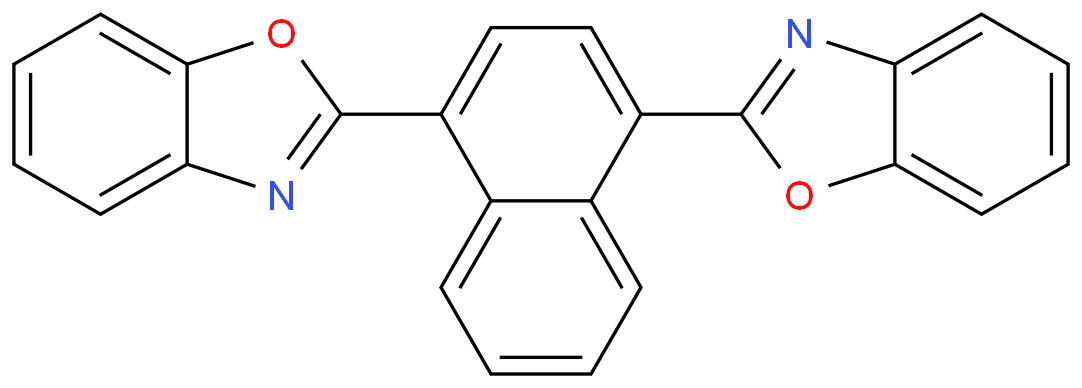
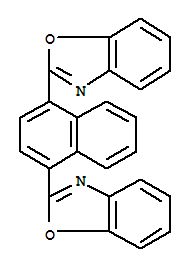
Fluorescent brighteners belong to a class of fluorescent dyes, which are complex organic compounds. They can be classified into six categories based on their chemical structures: triazine amino diphenylethylene-type, pyrazoline-type, naphthalimide-type, stilbene biphenyl-type, benzoxazole-type, and coumarin-type. Among them, Fluorescent Brightener 367 is the benzoxazole-type fluorescent brightener with the highest melting point and best heat resistance among all fluorescent brightener varieties, exhibiting significant whitening and brightening effects with high commercial value.
Fluorescent Brightener 367 is renowned for its exceptional brightness, versatility, and superior quality. It is well-suited for various applications in textiles, plastics, detergents, paper, and more.
The use of fluorescent brighteners in daily skincare cosmetics and masks is not explicitly prohibited in hygiene regulations, nor are there standardized testing methods. Some cosmetics manufacturers add fluorescent brighteners to improve skin whiteness and achieve whitening effects. For example, some unscrupulous manufacturers add large amounts of fluorescent brighteners to whitening masks to give consumers an instant whitening effect, posing potential health risks.
Fluorescent brighteners were initially applied in the textile industry, where different dyeing methods transfer them onto fabrics. Under ultraviolet light, they reflect visible light, making fabrics appear clean and bright. The role of fluorescent brighteners is not only to whiten but also to enhance the brightness of light-colored fabrics. Textiles treated with fluorescent brighteners not only improve appearance and quality but also enhance commercial value, leading to an increasing consumption of fluorescent brighteners.
Sanitary napkins are hygiene products closely related to women's health. Some companies add fluorescent brighteners during production to achieve whitening purposes. Even if fluorescent brighteners are not added during the production process, if raw material quality control is not strict or to reduce costs, pulps containing fluorescent brighteners may be used, resulting in sanitary napkins containing fluorescent brighteners. Currently, there have been reports exposing varying levels of fluorescent brighteners in different brands of sanitary napkins, and national standards such as GB/T 8939-2008 "Sanitary napkins (including sanitary pads)" do not mention fluorescent brighteners in sanitary napkins, so both their limits and testing methods remain blank. Most sanitary napkins are currently tested according to GB/T 27741—2011 "Determination of migratable fluorescent whitening agents in paper and paperboard", but whether it is suitable for detecting fluorescent brighteners in sanitary napkins is still subject to debate.
We can explain the method of fluorescent brighteners from the mechanism of human eye color recognition. When light shines on an object, one wavelength of light is absorbed, and the rest is reflected. Strictly speaking, the color we perceive with our eyes is the color of reflected light.
The human eye can see wavelengths ranging from 400nm to 700nm, also known as the visible band. Therefore, it is important to adjust the color of reflected light in the visible light band to adjust the whiteness of products.
The primary colors are red, blue, and yellow. When two colors of light mix to produce white light, these two colors are called complementary colors. White products, such as fibers and pulps, often absorb some blue-violet light from sunlight and then reflect yellow light.
Therefore, we must adjust the optical balance by supplementing the missing blue-violet light. To make fibers and pulps whiter, adding fluorescent brighteners to the product is the most ideal modification method.
Immediately remove contaminated clothing. Leave the danger area. Consult a physician and present the safety data sheet.
Move the patient to fresh air. If breathing stops, perform artificial respiration. If breathing is difficult, administer oxygen. Seek medical attention.
Remove contaminated clothing and shoes, and rinse skin with plenty of water for at least 15 minutes. Wash clothing before reuse. Seek medical attention immediately.
Immediately rinse open eyes with water for at least 15 minutes. Seek medical attention immediately.
Do not induce vomiting unless directed by a physician. Rinse mouth with water. Do not give anything by mouth to an unconscious person. Seek medical attention immediately.
Use water spray, dry powder, carbon dioxide, or chemical foam. Special hazards arising from the chemical: Carbon oxides, nitrogen oxides.
As with any fire, wear NIOSH-approved or equivalent pressure-demand self-contained breathing apparatus and full protective gear. During a fire, decomposition or combustion may produce irritating and toxic gases.
Wear protective equipment and keep unprotected persons away. Ensure good ventilation. Remove all sources of ignition. Prevent further leakage or spillage under safe conditions.
Do not let the product enter drains, waterways, or soil. Methods and materials for containment and cleaning: Prevent further leakage or spillage under safe conditions. Vacuum up, sweep, or absorb with inert material, then place in appropriate disposal container. Consult local regulations regarding disposal.
Avoid contact with skin, eyes, and personal clothing. Wash hands thoroughly after handling. Avoid inhaling fumes. Use only in well-ventilated areas. Wear appropriate protective clothing, gloves, and eye protection when not in use.
Store in a cool, dry, well-ventilated area away from incompatible substances. Keep away from sources of ignition. Store long-term in a cool, dry place.
Wear safety goggles or glasses with side shields, depending on the assessment of eye or facial hazards. In some workplaces, a face shield may be required. Use glasses tested and approved according to relevant government standards (such as OSHA 29 CFR 1910.133 or EU EN166).
Select gloves based on the potential hazards to hands and skin, duration of use, physical conditions of the workplace, and chemical resistance and physical properties of the glove material.
Choose protective clothing based on the hazards present in the workplace, physical environment, exposure time, and other factors. No single fabric provides protection against all potential hazards; therefore, selecting appropriate protective clothing for each specific hazard is crucial. At least wear a lab coat and closed-toe shoes.
Respirators should not replace recognized engineering control measures such as enclosure or confinement of operations, comprehensive and local ventilation, and substitution of less toxic materials. Use a NIOSH or CEN certified respirator when it is determined by an assessment of respiratory hazards in the workplace that respiratory personal protective equipment is appropriate.
Fluorescent Brightener 367 is a critical chemical additive widely used in industries such as textiles, paper, plastics, and detergents to enhance the brightness and whiteness of materials. By absorbing ultraviolet light and emitting blue light, it effectively neutralizes yellow tones in materials, making products appear brighter and whiter. Due to its outstanding brightening effect and wide applicability, Fluorescent Brightener 367 plays an indispensable role in various industrial sectors, driving the improvement of product quality and enhancing market competitiveness.
[1] Jiang, N., Liu, S., & Li, Q. (2019). Current Status and Research Progress of Fluorescent Brighteners. China Health Engineering, 18(03), 476-480. DOI:10.19937/j.issn.1671-4199.2019.03.064.
[2] Zheng, Y., Chen, L., Du, G., et al. (2021). Determination of Fluorescent Brighteners 367 and 393 in Cosmetics by Liquid Chromatography Tandem Mass Spectrometry. Flavour Fragr Cosmetics, 2021(6), 19-26. DOI:10.3969/j.issn.1000-4475.2021.06.005.
[3]https://aksci.com/
[4]https://www.canada.ca/en/health-canada/services/chemical-substances/fact-sheets/chemicals-glance/fluorescent-brightener-367.html
[5]https://partinchem.com/blog/optical-brighteners/
[6]https://procure-net.com/product/fluorescent-brightener-367/
|
 |
 |
 |
 EN
EN
 Agricultural News
 Food News
 Industrial News
 Cosmetic News
 Pharmaceutical News
 Science News

 3YRS
3YRS

