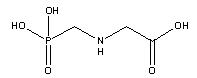
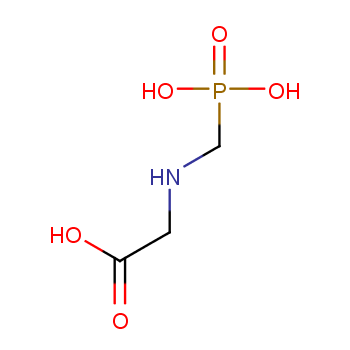
Glyphosate, an active ingredient in various herbicides, is linked to potential health risks, including being classified as "probably carcinogenic" by the International Agency for Research on Cancer (IARC).

The public reaction to glyphosate found in children's breakfast cereals has been one of concern and alarm. Parents, health advocates, and consumer protection groups have expressed outrage over the presence of this herbicide in products aimed at young children, highlighting the potential health risks associated with glyphosate exposure. Social media and news outlets have been abuzz with discussions about the safety of consuming these cereals, leading to calls for stricter regulations and transparency from manufacturers. Many consumers are demanding clearer labeling and safer alternatives, urging companies to reformulate their products to eliminate glyphosate. This heightened scrutiny reflects a broader trend of increased awareness and activism regarding the ingredients in food products, especially those intended for children.
The industry response to the presence of glyphosate in children's breakfast cereals has been multifaceted. Manufacturers have generally defended the safety of their products by emphasizing that glyphosate levels found in cereals are within regulatory limits established by authorities such as the Environmental Protection Agency (EPA). Many companies argue that glyphosate is used according to guidelines and that its levels in food are considered safe for consumption.
In reaction to the public outcry, some cereal producers have pledged to review and potentially reformulate their products to reduce glyphosate levels. This includes investing in alternative ingredients or methods that minimize glyphosate residues. Additionally, several companies have taken steps to enhance transparency by disclosing more information about their testing processes and glyphosate levels in their products.
However, industry responses have also included criticisms of the studies reporting glyphosate presence, questioning their methodologies and asserting that glyphosate is not a significant health risk when consumed at the levels typically found in food. Overall, the industry's approach involves balancing regulatory compliance with efforts to address consumer concerns and maintain public trust.
The Environmental Working Group (EWG) conducted a comprehensive analysis of glyphosate residues in breakfast cereals, especially those marketed to children. Key findings include:
Detection of Glyphosate: Glyphosate was detected in 26 of 28 breakfast cereals tested, with levels ranging from 0.1 to 2.5 parts per million (ppm). The highest concentration was found in Cheerios, with levels up to 1.5 ppm.
Health Concerns: The EWG reported that some cereals contained glyphosate levels significantly higher than the Environmental Protection Agency (EPA) safety limits for drinking water, which is set at 0.7 ppm. For example, Quaker Oats were found to contain glyphosate at 1.4 ppm, double the EPA's limit.
Comparative Data: In comparison to other food products, the glyphosate levels in breakfast cereals were notably higher. For instance, glyphosate levels in oat-based cereals were up to 500 times higher than the limits for drinking water.
FDA Commissioner Scott Gottlieb has assured the public that the amounts of glyphosate and other pesticides in the food supply are deemed safe under current regulations. However, this assurance has not fully addressed public concerns about the potential long-term health effects of glyphosate exposure.
The presence of glyphosate in breakfast cereals is a significant public health issue, especially concerning children's food. While regulatory agencies like the FDA and EPA have established safety limits, ongoing monitoring and stricter regulations are crucial to protect public health. Continued consumer advocacy and industry action are needed to ensure that food safety standards keep pace with emerging health concerns.
 |
 |
|


 6YRS
6YRS