-
We detected your language preference as English. Would you like to switch to the English version for a better experience?
Switch to English
Stay here


Hydroxylamine hydrochloride, a commonly used chemical, finds important applications in various fields. However, it also poses certain hazards, potentially endangering human health and the environment if mishandled. Therefore, understanding the hydroxylamine hydrochloride hazards and employing proper measures is crucial. This article focuses on exploring the potential hazards associated with hydroxylamine hydrochloride, aiming to help readers better understand and take appropriate preventive and responsive actions to minimize risks, ensuring the safety of human health and the environment.
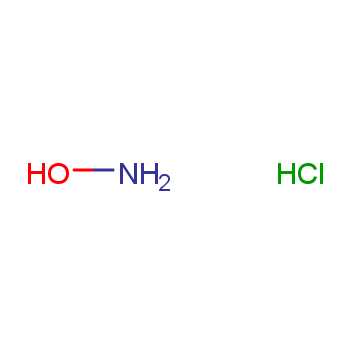
Hydroxylamine hydrochloride is an inorganic compound with the chemical formula NH2OH·HCl. It is a white crystalline solid, highly soluble in water and alcohol. The compound is unstable and prone to decomposition when exposed to heat or light. Hydroxylamine hydrochloride possesses unique properties, making it useful in various industries. In the pharmaceutical industry, it serves as a reducing agent for producing various drugs, including antibiotics, antineoplastic agents, and antiviral agents. It is also used in synthesizing anti-inflammatory drugs like ibuprofen. In agriculture, hydroxylamine hydrochloride acts as a pesticide to control crop pests and protect seeds from fungal and bacterial infections. In photography, it serves as a developing agent for black and white films and removes unexposed silver halides from photographic emulsions. However, improper handling of hydroxylamine hydrochloride can be hazardous.
- Eyes: Causes eye irritation and possible burns.
- Skin: May cause skin sensitization, allergic reactions upon re-exposure, and harmful effects through skin absorption. Causes skin irritation and possible burns.
- Ingestion: Ingestion is harmful and may lead to gastrointestinal irritation, including nausea, vomiting, and diarrhea. It can cause gastrointestinal burns and formation of methemoglobin, resulting in cyanosis (bluish discoloration of the skin due to lack of oxygen in the blood).
- Inhalation: Inhalation may cause respiratory tract irritation, methemoglobinemia, cyanosis, convulsions, tachycardia, difficulty breathing, and death. Inhalation is harmful and may cause methemoglobinemia.
- Chronic Effects: Can cause liver and kidney damage. Long-term exposure may result in anemia and methemoglobinemia, characterized by dizziness, drowsiness, headache, shortness of breath, cyanosis, rapid heart rate, and chocolate-brown blood. Repeated exposure may damage the spleen and induce sensitization in sensitive individuals.

The carcinogenicity of hydroxylamine hydrochloride is a complex issue with conflicting data. Here is a classification:
- Limited evidence of carcinogenicity: Animal studies, particularly on hydroxylamine sulfate (a related salt), indicate increased tumor incidence in certain organs at high doses. Regulatory agencies like the European Chemicals Agency (ECHA) classify it as "suspected carcinogen" based on this data.
- Other studies show negative results: Some studies, especially in vitro studies, have not found a clear link between hydroxylamine hydrochloride and cancer.
In conclusion, evidence for the carcinogenicity of hydroxylamine hydrochloride is limited and uncertain.
Safety Data Sheet (SDS) is an important document providing detailed information about the safe handling, storage, disposal, and potential hazards of specific chemicals. It aims to protect workers and the environment by outlining necessary precautions for using a particular substance. SDS typically includes the following sections:
- Identification: Identifies the chemical by name and provides details such as CAS number, product identifier, and recommended uses.
- Hazard Identification: Outlines potential hazards of the chemical, including classification according to hazard communication standards.
- Composition/Information on Ingredients: Details the components present in the mixture and their concentrations.
- First Aid Measures: Provides response instructions for accidental chemical exposure, including inhalation, ingestion, skin contact, and eye contact.
- Handling and Storage: Outlines safe practices for handling and storing the chemical, including requirements for personal protective equipment (PPE).
- Exposure Controls/Personal Protection: Provides detailed guidance on recommended PPE for handling the chemical and ventilation requirements to control exposure.
- Physical and Chemical Properties: Provides the major physical and chemical properties of the substance, such as appearance, odor, melting point, and boiling point.
- Stability and Reactivity: Outlines conditions to avoid for safe storage and potential incompatible substances that may cause hazardous reactions.
- Toxicological Information: Provides information about the potential health effects of exposure to the chemical.
- Ecological Information: Details the chemical's impact on the environment.
- Disposal Considerations: Outlines safe disposal procedures for chemical waste and contaminated waste.
- Transport Information: Provides information on safe transport of the chemical according to regulations.
- Regulatory Information: Details any applicable regulations regarding the use or disposal of the chemical.
- Other Information: May include additional information related to safe handling of the chemical, such as revision date or preparation methods.
The SDS for hydroxylamine hydrochloride will provide key safety information, such as:
- Classification: Hydroxylamine hydrochloride is corrosive, toxic, and irritating. Suspected to be carcinogenic and harmful to organs through prolonged or repeated exposure.
- Health Hazards: Inhalation, ingestion, or skin and eye contact can cause serious health problems.
- Precautionary Measures: Use appropriate personal protective equipment such as gloves, safety goggles, and respirators to prevent contact.
- Storage and Handling: Specifies safe storage and handling methods, including storing the chemical in a cool, dry, well-ventilated area away from incompatible materials.
- Minimize Exposure: Avoid working with hydroxylamine hydrochloride or minimize the time and quantity of your exposure.
- Use Appropriate Personal Protective Equipment: This includes gloves, eye protection, and respirators to prevent inhalation and skin contact.
- Work in Well-Ventilated Areas: This helps reduce air exposure.
- Follow Safe Handling Procedures: These procedures should be outlined in the Safety Data Sheet (SDS).
- Be Aware of Other Health Hazards: Hydroxylamine hydrochloride is also an irritant, corrosive substance, and can cause other health issues. Check the complete SDS for all safety information.
Store in a tightly closed container in a cool, dry, well-ventilated area. Protect from physical damage. Isolate from any heat or ignition sources. Segregate from oxidizing materials. Avoid dust formation and control ignition sources. Use grounding, ventilation, and explosion-proof equipment in any process where dust and/or static electricity may occur. Only vent into inert or non-combustible gas. Discharge contents into an atmosphere containing combustible vapors may cause a flash fire or explosion due to electrostatic discharge.
Hydroxylamine hydrochloride is classified as a hazardous substance due to its various harmful properties. While specific regulations may vary by region, here is a general overview:
The level of risk associated with hydroxylamine hydrochloride depends on the inherent hazards of the material and its manner of use.
- Corrosive: Damages metals, irritates or burns the skin and eyes.
- Toxic: Harmful through inhalation, ingestion, or skin absorption.
- Suspected Carcinogen: Based on animal studies, may be carcinogenic, but relevance to humans is uncertain.
- Environmental Hazard: Highly toxic to aquatic organisms.
Risk is also influenced by the handling of the material. In a laboratory environment equipped with appropriate personal protective equipment and ventilation, risks can be minimized. However, improper handling or accidental exposure can lead to severe health issues. Hydroxylamine hydrochloride is corrosive, toxic, and potentially carcinogenic, posing significant threats to human health. It is also harmful to the environment. When handling these materials, proper safety precautions must be taken, and reference to the Safety Data Sheet (SDS) for specific guidance is essential.
Priority should be given to safety when using hydroxylamine hydrochloride in a laboratory environment. Conduct experiments in a well-ventilated fume hood to minimize inhalation risks. Wear appropriate personal protective equipment (PPE), including chemical safety goggles, chemical-resistant gloves, and laboratory coats. Avoid skin contact and keep containers tightly sealed when not in use. Familiarize yourself with emergency procedures for spills and accidents.
Handling large quantities of hydroxylamine hydrochloride in industrial environments requires stricter safety protocols. Closed handling systems and local exhaust ventilation are crucial for preventing airborne dispersion. Workers should wear full-body chemical protective suits, respirators specifically approved for this material, and validated corrosion-resistant gloves. Regular monitoring of worker exposure levels and adherence to safe handling practices are vital for minimizing risks.
- Eyes: Immediately flush eyes with plenty of water for at least 15 minutes, occasionally lifting upper and lower eyelids. Seek medical attention promptly.
- Skin: Seek medical attention immediately. Immediately flush skin with plenty of water for at least 15 minutes while removing contaminated clothing and shoes.
- Ingestion: Do not induce vomiting. Immediately call for medical assistance and contact poison control center.
- Inhalation: Seek medical aid immediately. Move to fresh air immediately, away from the contaminated area. If breathing is difficult, provide oxygen. If the victim has ingested or inhaled the substance, do not use mouth-to-mouth resuscitation; use a pocket mask equipped with a one-way valve or other appropriate respiratory medical device for artificial respiration.
- Physician's Notes: Supportive treatment for symptoms.
In conclusion, hydroxylamine hydrochloride, as a chemical, carries certain hazards that require us to maintain a high level of vigilance during its use and handling. Understanding the hazards of hydroxylamine hydrochloride and mastering proper protective and handling methods are crucial to ensuring safety in our work and life. Through this article's introduction, we hope readers will better appreciate the potential hazards of hydroxylamine hydrochloride and take necessary precautions to protect themselves and others from potential harm.
[1]https://www.ilo.org/dyn/icsc/showcard.display?p_lang=en&p_card_id=0709&p_version=2
[2]https://fscimage.fishersci.com/msds/11280.htm
[3]https://cameochemicals.noaa.gov/chemical/20501
[4]https://www.vanderbilt.edu/vinse/facilities/safety-data-sheets.php
[5]https://us.vwr.com/assetsvc/asset/en_US/id/8269215/contents
[6]https://chemicalsolution.ca/catalog/chemicals/hydroxylamine-hydrochloride
|
 |
 |
 |
 |
 |
 EN
EN
 Agricultural News
 Food News
 Industrial News
 Cosmetic News
 Pharmaceutical News
 Science News

 2YRS
2YRS

