-
We detected your language preference as English. Would you like to switch to the English version for a better experience?
Switch to English
Stay here


Dehydroepiandrosterone (DHEA) is a highly regarded hormone in the health community, with significant functions in maintaining hormonal balance, promoting immune function, and sustaining cardiovascular health. However, questions about the frequency and dosage of DHEA usage have also been raised. One notable question is: Can we take DHEA every day? This question touches upon aspects such as the safety of DHEA, optimal dosage, and the effects of long-term usage, prompting further exploration and consideration. By exploring this question, we may better understand the standardized use of DHEA, thereby maximizing its benefits and unlocking more possibilities for health.
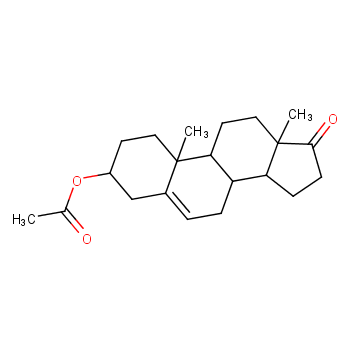
Dehydroepiandrosterone (DHEA) is a major C19 steroid produced by the adrenal cortex. It is a Δ5-steroid with a β-hydroxy substitution at the 3-position and an oxygen substitution at the 17-position. DHEA is a natural steroid hormone produced by the adrenal glands, with roles in androgen, human metabolism, and mouse metabolism. It is a 17-hydroxy steroid, an androstane, and a 3β-hydroxy-δ(5)-steroid.
Although primarily synthesized in the adrenal glands, small amounts of DHEA are also produced in the testes and ovaries. DHEA can be converted into testosterone, androstenedione, estradiol, and estrone. Most DHEA is sulfated (DHEAS) before secretion. In the United States, DHEA and DHEAS are available over-the-counter as dietary supplements. In November 2016, DHEA (Intrarosa) was approved for the treatment of moderate to severe dyspareunia (painful sexual intercourse) caused by menopause. Dyspareunia is a symptom of vulvovaginal atrophy (VVA). In Canada, a prescription is required to purchase DHEA.

Dehydroepiandrosterone (DHEA), a hormone naturally produced by the adrenal glands, holds promise for promoting overall health and well-being. One benefit of supplementing with DHEA may be increased energy levels and vitality. Since DHEA levels naturally decline with age, some studies suggest that supplementing with DHEA can help alleviate fatigue and enhance well-being. This increase in energy can translate into a more positive lifestyle and improved quality of life.
DHEA may also play a role in supporting muscle strength and bone density. These factors tend to deteriorate with age, increasing the risk of falls and injuries. Research indicates that supplementing with DHEA may help slow bone loss and even promote muscle growth, potentially leading to a stronger and more vibrant physique.
Is it OK to take DHEA every day? Common formulations of DHEA include oral tablets, oral capsules, compound powders, and vaginal inserts. DHEA doses are available in strengths of 25 mg, 50 mg, 10 mg, 6.5 mg, and 100 mg.
Although DHEA offers many potential benefits, addressing these questions is essential before starting daily supplementation. Safety guidelines and dosage recommendations vary based on individual factors. Studies suggest that moderate doses (around 50mg) can be safely used for up to two years. However, the long-term effects and risks associated with regular use are still under investigation.
DHEA may not be suitable for everyone. Individuals with hormone-sensitive cancers, existing conditions such as diabetes or hypertension, pregnant or breastfeeding women, should avoid DHEA supplementation entirely. Considering your unique health status and potential interactions with existing medications, consulting a doctor is crucial to determine if DHEA is right for you. Ideally, candidates for daily DHEA supplementation are those experiencing age-related declines in energy, muscle strength, or mood, and lack any of the aforementioned risk factors.
While DHEA supplements are sometimes promoted for their health benefits, there are potential downsides to consider. Regular use of dehydroepiandrosterone can lead to side effects such as oily skin, acne, hair loss, and changes in menstrual cycles. It may also contribute to hormonal imbalances, raising blood pressure and cholesterol levels. Experts warn that the long-term effects of increased hormone levels from DHEA are still unclear.
DHEA supplements have not been proven effective for weight loss or athletic performance and are even prohibited by some sports organizations.
If you're considering supplementing with DHEA, talking to your doctor is crucial. DHEA can interact with certain medications, exacerbate certain health conditions, particularly hormone-sensitive cancers. Discussing alternatives with your doctor to find a safe and effective solution is recommended.
While DHEA has potential benefits, caution is advised for certain groups. Due to a lack of safety research, pregnant and breastfeeding women, as well as children, should avoid using DHEA. People with a history of hormone-sensitive cancers such as breast, prostate, or ovarian cancer should also avoid DHEA. The ability of dehydroepiandrosterone to convert into estrogen and testosterone in the body may pose risks for these individuals. Additionally, those with uncontrolled hypertension, diabetes, or liver disease should consult a doctor before considering DHEA supplementation. These existing conditions may worsen with the use of DHEA.
Age, gender, and hormonal factors also play a role. Since DHEA levels naturally decline with age, young people typically do not need supplementation. Hormonal factors also influence the effects of DHEA. Women with polycystic ovary syndrome (PCOS) may experience worsened symptoms due to DHEA's impact on hormonal balance. Considering your age, gender, specific health issues, and current medication regimen, consulting healthcare professionals to determine if DHEA is safe for you is crucial.
The long-term safety of supplementing with DHEA is still under study. While research has not shown serious issues with using moderate doses (around 50mg) for up to two years, the long-term consequences remain unclear. Experts generally recommend against continuous use of DHEA without consulting a doctor.
If considering DHEA, regular monitoring of your health is crucial. This may include checking hormone levels, blood pressure, and cholesterol. If any negative side effects occur, or if your doctor advises adjusting the dosage or stopping supplementation altogether. Remember, dehydroepiandrosterone interacts with the natural hormones in your body, so a cautious and personalized approach is key.
In conclusion, as we age, dehydroepiandrosterone holds promise as a natural way to support energy, strength, and mood. However, it's not a one-size-fits-all solution. While some research suggests that daily intake may be beneficial, the long-term safety needs further investigation. If considering DHEA, consulting a doctor to assess your individual suitability and determine the appropriate dosage is essential. Remember, DHEA interacts with medications and can exacerbate certain health conditions. Proceeding with caution, prioritizing regular check-ups, and being prepared to adjust the dosage or stop usage under a doctor's guidance is paramount.
[1]https://www.drugbank.ca/drugs/DB01708
[2]https://www.ebi.ac.uk/chebi/searchId.do?chebiId=CHEBI:28689
[3]https://www.webmd.com/diet/dhea-supplements
[4]mountsinai.org/health-library/supplement/dehydroepiandrosterone#
[5]https://www.drugs.com/search.php?searchterm=dehydroepiandrosterone&sources%5B%5D=
[6]https://www.hims.com/blog/dhea-for-men
|
 |
 |
|
 EN
EN
 Agricultural News
 Food News
 Industrial News
 Cosmetic News
 Pharmaceutical News
 Science News

 3YRS
3YRS

