-
We detected your language preference as English. Would you like to switch to the English version for a better experience?
Switch to English
Stay here


Low-calorie plant-based sweeteners are becoming increasingly popular as people look for healthier alternatives to traditional sugar. Stevia, monk fruit extract and thaumatin are among the most widely used plant-derived, low-calorie sweeteners, and each is derived from a plant source with a lower calorie contribution than sugar.
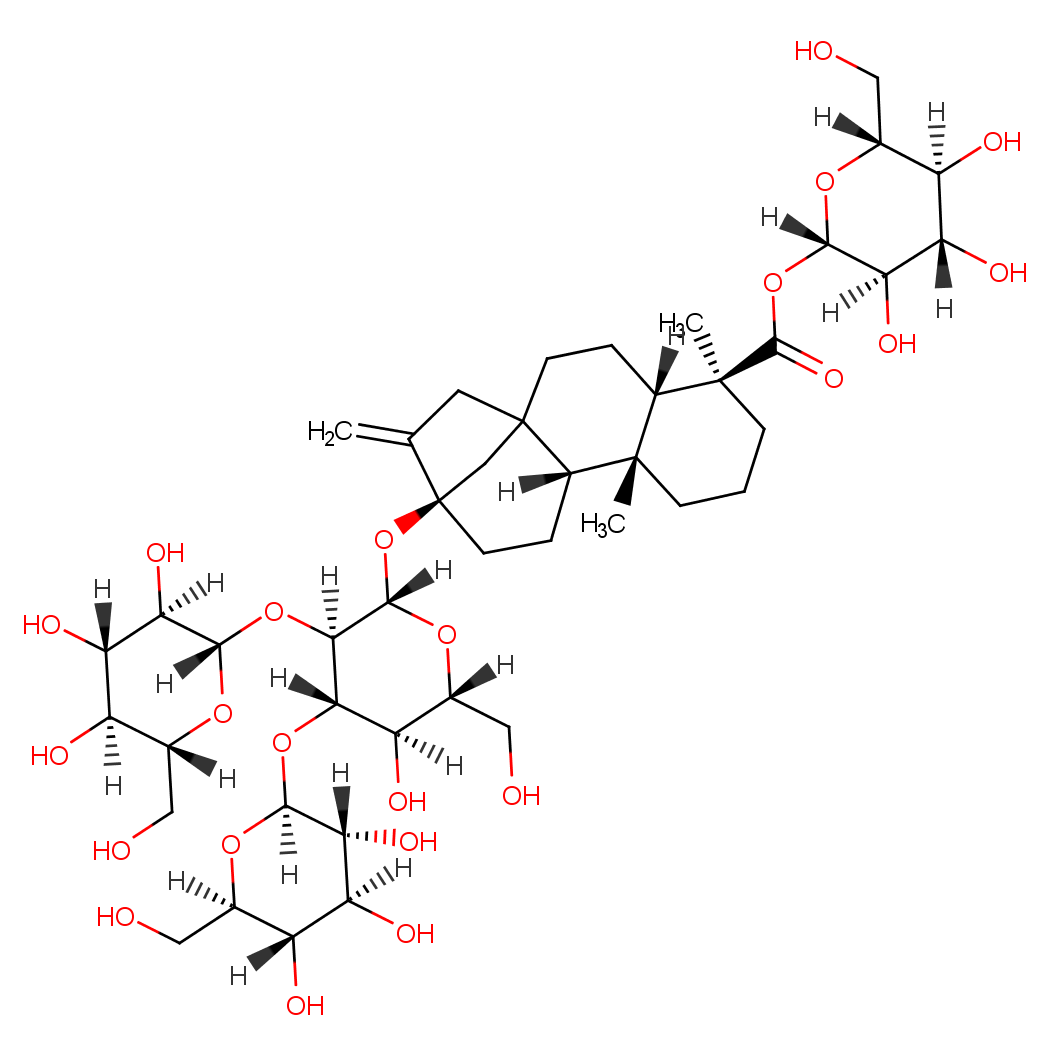
For product developers, the key technical questions are not simply whether these sweeteners reduce calories, but how their sweetness potencies, onset and lingering profiles, off-taste behaviour and stability interact with the food matrix, and how blending restores the bulk, colour and mouthfeel that sucrose once supplied. This guide consolidates those considerations into a practical B2B formulation framework.
| Function | Suitable Users | Core Technical Indicators | Compliance Framework |
|---|---|---|---|
| High-intensity sweetener | Beverage and confectionery formulators replacing sucrose while targeting zero added sugar | 200–3,000 times sucrose depending on the ingredient; zero calories; zero glycemic index; water soluble | EU E 960 for stevia and E 957 for thaumatin; GRAS notices evaluated by the FDA |
| Flavor enhancer | Developers seeking to round out and balance flavours and mask metallic or bitter notes in reduced-sodium products | Clean, pleasant taste at low solids equivalent levels; thaumatin masks metallic and bitter tastes and adds body | Thaumatin approved as a flavour enhancer at 5 mg/kg in specified snack and sauce categories |
| Sugar-reduction tool | Developers of diabetic-friendly, weight-management and clean-label products who need a natural-origin sweetener | No enzymatic or non-enzymatic browning; no caramelization; partial substitution of glucose, fructose and HFCS | Stevia is a novel food in Europe requiring specific approval; monk fruit is not yet approved for food in the EU |
| Synergy component | Formulators blending natural and synthetic high-intensity sweeteners to fix temporal profile and reduce dosage | Blends reduce bitterness; thaumatin at 10 ppm allows aspartame dosage reduction of about 30% | Each sweetener in a blend must independently satisfy its permitted use level and category |
Stevia is a natural sweetener derived from the leaves of the Stevia rebaudiana plant, which is native to South America. It is significantly sweeter than sugar but contains zero calories and has a negligible effect on blood sugar levels, which makes it ideal for people with diabetes and those looking to reduce their caloric intake and sugar consumption. The leaves of stevia are about 30 times sweeter than sugar, whereas the compounds called steviol glycosides isolated from the leaves are 200 to 300 times sweeter.
Monk fruit, also known as Luo Han Guo, is a natural sweetener derived from the monk fruit plant (Siraitia grosvenorii). It has been used for centuries in traditional Chinese medicine for its beneficial properties for human health and as a natural sweetener, and it is about 150 to 200 times sweeter than sugar. Monk fruit extract is becoming increasingly popular as a sugar substitute due to its zero-calorie content and low glycemic index.
Thaumatin is a natural protein-based sweetener derived from the fruit of the Thaumatococcus daniellii plant, which is native to West Africa and whose fruit is also known as the katemfe fruit. Thaumatin is intensely sweet, at 2,000 to 3,000 times sweeter than sugar, and has been used as a sweetener and flavour enhancer in various food and beverage products. One of the main advantages of thaumatin is its natural origin.
Explore the plant-based sweetener technical encyclopedia for additional chemical and application information.
| Parameter | Specification / Description |
|---|---|
| Stevia chemical class | Potently sweet diterpenoid glycosides, primarily rebaudioside A and stevioside |
| Monk fruit chemical class | Cucurbitane-type triterpene glycosides known as mogrosides, based on the aglycone mogrol |
| Thaumatin chemical class | Basic sweet protein of about 22 kDa, comprising thaumatin I and thaumatin II |
| CAS Number (stevia) | 58543-16-1 (rebaudioside A); 57817-89-7 (stevioside) |
| CAS Number (monk fruit) | 88901-36-4 |
| CAS Number (thaumatin) | 53850-34-3 |
| Food additive numbers | Stevia E 960 / INS 960; thaumatin E 957 / INS 957 |
These sweeteners are not used because they supply energy or bulk. Their value is receptor-level: they activate the same sweet taste receptor as sugar at dramatically lower concentrations, and their differences in engaging that receptor explain the onset, lingering and off-taste behaviour that formulators must manage.
The receptor that accounts for the sweet taste of all sweet molecules, from sugars to sweet proteins, is a metabotropic G-protein-coupled receptor composed of T1R2 and T1R3, both class C GPCR subunits. A study found that the interaction of the carbon molecules at positions C-13 and C-19 of the steviol backbone with specific active docking sites on T1R2 and T1R3 produced the characteristic stevia taste, while the binding site of mogroside V was predicted to be at the R2 site of the venus flytrap domains of the TAS1R2 and T1R3 heterodimers.
Thaumatin forms a complex with the T1R2-T1R3 sweet receptors rather than binding through small-molecule docking. Positively charged residues critical for sweetness, including two important residues, Arg82 and Lys67, were found close to a receptor residue of opposite charge to yield optimal electrostatic interaction. This electrostatic mechanism explains why the total net charge of thaumatin matters, and why modifying lysine, arginine, aspartic acid or glutamic acid residues by acetylation or methylation can decrease or increase the sweetness potential of the protein.
Non-caloric sweeteners differ in taste from carbohydrate sweeteners in several ways. They are more potent, enabling use at significantly lower concentrations, and many exhibit off tastes such as bitter, metallic, cooling or licorice-like flavours. Nearly all exhibit sweetness slower in onset and lingering longer, which is why the temporal profile, rather than the peak intensity, is often the binding constraint in a formulation.
Steviol glycosides are most commonly obtained from dried leaves of S. rebaudiana by aqueous extraction, or by using an organic solvent or water-organic solvent mixture to precipitate high molecular weight substances, sometimes combined with a defatting step. This is followed by decolorization, purification, concentration and drying. Other methods include pressurized hot water, microwave-assisted, ultrasonic-assisted and supercritical fluid extraction.
For monk fruit, aqueous extracts of mogrosides are traditionally used, and alternatively a mixture of water and organic solvents can be used, especially for mogrosides with fewer glucose molecules and lower polarity. Flash extraction, supercritical fluid extraction, column adsorption and microporous resins have also been used.
Thaumatin can be extracted from the arils or fruit by aqueous extraction, generally using water or an aqueous buffer. The protein can be purified using ammonium sulphate precipitation and gel filtration, and dialysis and column chromatography can also be utilized. Recent studies also show biobased production of the recombinant thaumatin protein, which offers a supply route that does not depend entirely on the harvested fruit.
For formulators, the qualification points centre on the content of the active sweet principle, the residual colour and odour, and the solubility and microbial profile. Suppliers typically specify the glycoside or mogroside content for the plant extracts and the protein content for thaumatin, and buyers should verify that the grade offered matches the intended application.
From a formulation perspective, the most relevant comparison is among these three sweeteners and the other sweetening systems they are commonly blended with, rather than among unrelated chemical families. The three commonly discussed categories are glycoside sweeteners, protein sweeteners and the bulk or polyol agents used alongside them.
Stevia belongs to the diterpenoid glycoside family. There are 11 major steviol glycosides, of which rebaudioside A and stevioside are the most abundant. The family also includes glycosylated steviol glycosides, larger glycosides derived by glycosylation of steviol glycosides, in which naturally occurring steviol glycosides can be modified by allowing an alpha-glucosyltransferase to react on an aqueous solution containing one or more steviol glycosides and a glucose donor such as starch or cyclodextrin. The reaction products can have an improved sensory experience, since rebaudioside A, which has a bitter taste, aftertaste and astringency, can be modified to reduce these undesirable qualities.
Monk fruit extract belongs to the mogroside family, a group of cucurbitane-type triterpene glycosides and the major bioactive compounds in monk fruit, present at about 1% w/w on a dry basis in the fruit's flesh. The non-sugar aglycone moiety of mogrosides is mogrol, and glycosidic bonds are formed at the C-3 and C-24 positions, each with a P configuration. While there are more than 60 known mogroside compounds, only 11-alpha-hydroxy-mogrosides exhibit a sweetening effect, and the other triterpenoids are non-sweet or bitter-tasting.
Thaumatin belongs to a group of intensely sweet basic proteins, and thaumatin-like proteins fall under the pathogenesis-related 5 superfamily, being induced in response to various abiotic and biotic stresses. Thaumatin consists of the proteins thaumatin I and thaumatin II and a few other minor components, and it functions as a taste-modifying protein. As a protein it is metabolized into constituent amino acids in the gastrointestinal tract prior to absorption, which is a fundamentally different fate from that of the glycoside sweeteners.
| Parameter | Stevia | Monk Fruit Extract | Thaumatin |
|---|---|---|---|
| Relative sweetness | ~250–300 times sucrose; rebaudioside M reaches 310 at 6% SE | Mogroside mixture ~300 times; siamenoside I 563 times at 5% SE | 1,600–3,000 times by weight; nearly 100,000 times on a molar basis |
| Calorific value | Zero calories per gram | Zero calories per gram | 4 kcal/g as protein, but negligible at use levels |
| Glycemic index and insulin | Zero glycemic index; does not increase insulin levels | Zero glycemic index; reduces insulin resistance and improves glucose tolerance | Zero glycemic index; insulin secretion may occur indirectly via amino acids |
| Flavor profile | Clean at low SE, bitter and licorice-like at higher SE; rebaudioside M cleaner | Intensely sweet with licorice-like aftertaste at higher levels; siamenoside I better balanced | Intensely sweet with licorice-like aftertaste; masks metallic and bitter tastes |
| Temporal profile | Longer extinction time than carbohydrate sweeteners; rebaudioside M quickest onset | Slow onset with longer lingering aftereffects | Slow in onset, followed by intensification to lingering sweetness |
| Taste threshold | 0.1 mM | 10 ppm | 50 nM |
| Thermal stability | Heat stable up to 150 °C; no degradation at pH 2–10 until 60 °C | No decomposition under continuous heating at 120 °C for 12 hours; stable pH 3–12 at 2–8 °C | Stable during heating even in acidic conditions; stable pH 2–10 at room temperature |
| Key limitation | Bitterness and licorice aftertaste at high SE; no browning | Licorice aftertaste at higher levels; not yet approved for food in the EU | Protein nature and high cost; sole-use application limited |
| Property | Stevia | Monk Fruit Extract | Thaumatin |
|---|---|---|---|
| Physical form | White powder or liquid extract | Powder | Powder |
| Color | White | Golden to deep yellow | Cream color |
| Odor | Slightly unpleasant smell | Characteristic | Odorless |
| Solubility | Soluble in water | Soluble in water | Soluble, about 600 g/L |
| Molecular weight | Varies by the glycoside, e.g. 967.01 for rebaudioside A | Varies by the glycoside, e.g. mogroside V at about 1287 | About 22,000 Da |
| Isoelectric point | Not applicable (glycoside) | Not applicable (glycoside) | Approximately 12, being a basic protein |
| Browning behavior | No enzymatic or non-enzymatic browning; does not caramelize | No browning or caramelization | No browning or caramelization |
| Cariogenic potential | No | No | No |
| Function | Typical Applications | Key Formulation Objective |
|---|---|---|
| Sweetener | Beverages, flavored water, dairy products, sauces and dressings, condiments and spreads, snacks and confectionery, breakfast cereals | Contribute a sweet flavor without adding significant calories, alone or in combination with other sweeteners |
| Flavor enhancer | Meal replacements and protein shakes, baby food and children's products, dietary supplements | Enhance the natural flavors of ingredients and balance and round out the overall flavour |
| Sugar substitute | Diabetic-friendly and weight-management products requiring a zero-glycemic sweetener | Reduce calories from added sugar to zero while achieving equivalent sweetness |
| Masking and body | Low-sodium products where NaCl has been replaced in part with KCl, and reduced-sugar beverages | Mask metallic or bitter notes and add body and mouthfeel to the sweet taste |
These sweeteners are used across many product categories, including beverages, baking, dairy, sauces and dressings, condiments, snacks and confectionery, breakfast cereals, flavored water, meal replacements and protein shakes, baby food and children's products, and dietary supplements.
When formulating with these sweeteners, the sweetness level of each candidate must be established before dosing. For stevia, the leaves are about 30 times sweeter than sugar, whereas the isolated steviol glycosides are 200 to 300 times sweeter. There are 11 major steviol glycosides, of which rebaudioside A and stevioside are the most abundant; their potency varies widely, from rebaudioside D at about 221 times sucrose and rebaudioside A at about 200 times down to rebaudioside C and dulcoside A at about 30 times.
For monk fruit, saccharides and polyols constitute only 2.4% w/w of the dried fruit, so the sweetness is not merely due to sugar or polyol content but to other components. Triterpene glycosides called mogrosides are the compounds of interest: mogroside IV is about 392 times sweeter than a 5% sucrose solution, mogroside V about 425 times and siamenoside I about 563 times, while mogrosides II E and III are tasteless.
Mogroside V is the principal sweet triterpene glycoside, and its content varies in the range of 0.81 to 1.29% w/w in the fruit, with the highest levels in the endocarp. It is a polar compound containing five glucose residues and is readily soluble in water. An iso-mogroside V has been identified as having a potency of 500 times sucrose, and the mixture of mogrosides is about 300 times sweeter than sucrose.
Start with the product category and the solids equivalent level to be replaced. Because the dosage of these sweeteners is significantly less than sucrose by weight, the bulk that sucrose would otherwise provide is lost, and the formulation will need other additives to restore it.
Choose the sweetener on the basis of taste profile and temporal behaviour rather than potency alone. Rebaudioside M exhibits a sweet, clean taste without any bitter or licorice aftertaste, whereas siamenoside I presents a better balance in sweetness, bitterness, sweet linger, astringency and mouthfeel than mogroside V and also provides a cooling effect. Blending with aspartame, acesulfame potassium, cyclamate, sucralose or saccharin may reduce bitterness and create a sweetness synergy.
Because all three sweeteners are water soluble, they are typically dissolved into the aqueous phase or dry-blended with the bulking agents. In bakery, they must be added knowing that they do not undergo enzymatic or non-enzymatic browning and do not caramelize, so the desired color of bakery products may not be achieved when they are used alone.
Because the temporal profile and off-taste behaviour depend on the matrix and the dose, the finished product should be evaluated sensorially across its shelf life. Stevia is heat stable up to 150 °C and shows no degradation at pH 2 to 10 until 60 °C, with 5% degradation at 80 °C, mogrosides do not decompose under continuous heating at 120 °C for 12 hours, and thaumatin is stable during heating even in acidic conditions and in aqueous solutions between pH 2 and 10 at room temperature.
Completely replacing sucrose or other nutritive sweeteners such as HFCS with these low-calorie sweeteners brings the calories from added sugar down to zero, significantly reducing total caloric value and helping in the design of equivalently sweet sugar-free products. All three are considered clean-label ingredients, meaning they are derived from a natural source and do not contain artificial additives, which makes them popular with consumers who prefer natural alternatives to artificial sweeteners.
Against those benefits stand real drawbacks. The dosage is significantly less than sucrose in terms of weight, resulting in the loss of bulk that sucrose would have provided, and products need other additives for that bulk. At higher concentrations the steviol glycosides, mogrosides and thaumatin exhibit off-tastes, and none of them undergoes browning or caramelization, so the desired color of bakery products may not be achieved when they are used alone.
Synergistic usage addresses these limits. Stevia works well with sugar alcohols including erythritol, sorbitol, xylitol and maltitol; its lingering sweetness can be masked by substances with floral and sweet notes, and its bitter aftertaste complemented by flavours of coffee, chocolate and spicy sauces. Blends of stevia and monk fruit extract are effective, and combination with synthetic non-nutritive sweeteners such as sucralose and acesulfame K can work depending on the product. With 10 ppm inclusion of thaumatin, aspartame dosage can be reduced by about 30%, and the masking of metallic flavours provides applications in low-sodium products where NaCl has been replaced in part with KCl.
Regulatory treatment of these sweeteners varies markedly by jurisdiction and by the specific preparation, so a supplier's statement that a material is a "natural sweetener" does not by itself establish compliance in every destination market. The intended use and destination should be checked.
| Market / Framework | Technical Relevance | Compliance Action |
|---|---|---|
| United States FDA — stevia | The FDA has evaluated GRAS notices for high purity steviol glycosides of at least 95% purity, including rebaudioside A, stevioside and rebaudioside D. Stevia leaf and crude stevia extracts are not considered GRAS and their import for use as sweeteners is not permitted. | Confirm the material meets the 95% minimum purity basis and relies on an evaluated GRAS notice. |
| United States FDA — monk fruit and thaumatin | The FDA has evaluated GRAS notices for monk fruit extract and for thaumatin and has not questioned the notifiers' GRAS conclusions under the intended conditions of use identified in the notices. | Reference the specific GRAS notice and confirm the intended conditions of use match those filed. |
| European Union — stevia | Stevia extract has been assigned E 960a for steviol glycosides from stevia, E 960c for enzymatically produced steviol glycosides and E 960d for glycosylated steviol glycosides. Stevia is considered a novel food ingredient in Europe requiring specific approval, and EFSA concluded it is safe for consumption. | Verify the correct E number for the production route and the novel-food authorization status. |
| European Union — monk fruit | Monk fruit extract has not yet been approved in the European Union to be used in food. | Do not rely on monk fruit sweetening in products commercialized in the EU without confirming current approval status. |
| European Union — thaumatin | Thaumatin was approved as E 957 as a flavour enhancer in food categories 12.6 Sauces and 15.1 Potato, cereal, flour or starch based snacks at a maximum level of 5 mg/kg in each category. | Apply the 5 mg/kg maximum and confirm the product category falls within the permitted scope. |
| JECFA acceptable daily intake | JECFA has set an acceptable daily intake of 0 to 2 mg/kg body weight for stevia, no ADI for monk fruit extract and no specified value for thaumatin. | Design the use level so that total exposure remains within the applicable ADI for the target population. |
All three sweeteners carry favourable safety profiles at ordinary use levels. They are zero-glycemic and non-cariogenic, and their metabolic fates are well characterised. Steviol glycosides pass through the upper gastrointestinal tract fully intact, are poorly absorbed after oral exposure and are hydrolyzed by the gut microflora to their aglycones, with human intestinal microflora degrading steviol glycoside to its aglycon between 10 and 24 hours. Steviol is then absorbed via the portal vein and primarily metabolized by the liver, undergoing conjugation with glucuronic acid to form steviol glucuronide, which is excreted via urine, and no accumulation of steviol glycoside derivatives occurs in the body.
Mogrosides are not absorbed in the upper gastrointestinal tract and are mostly degraded by the digestive enzymes and the intestinal microflora. They can undergo multiple metabolic reactions including deglycosylation, hydroxylation, dehydrogenation, isomerization, glycosylation and methylation, and in an in vitro assay mogroside V, siamenoside I and iso-mogroside V were reported to share mogrol as a common metabolic product within 24 hours. Mogroside V was found to be rapidly deglycosylated with an elimination half-life of 0.33 hours, and it is excreted in the feces as mogrol and other metabolites.
Thaumatin follows a different path because it is a protein: it is metabolized into its constituent amino acids in the gastrointestinal tract prior to absorption, contributing the same calories as protein and making an insignificant contribution to the normal protein diet. The kidneys remove the byproducts through urine. Beyond sweetness, stevia and monk fruit extract also show reported antioxidant, anti-carcinogenic and antimicrobial activities, and stevioside may reduce blood pressure and fasting blood glucose, but these are research observations rather than authorized health claims.
The following framework summarises the acceptable intake and nutritional characteristics of these sweeteners and should be read as general guidance rather than as a fixed specification. Actual intake depends on the product category, the blend used and the target population.
| Parameter | Reference Value | Functional Basis |
|---|---|---|
| Stevia ADI | 0–2 mg/kg body weight | JECFA threshold used to set the maximum recommended daily intake |
| Monk fruit ADI | No ADI established | JECFA has not needed to set a numerical limit based on the available data |
| Thaumatin ADI | Not specified | No numerical acceptable daily intake has been specified |
| Caloric value | Zero for stevia and monk fruit; negligible for thaumatin | Supports zero-added-sugar and reduced-calorie positioning |
Note: The figures above are indicative and should be confirmed against the current JECFA and national nutrition guidance and the requirements of the specific product category.
Non-caloric sweeteners are more potent and many exhibit off tastes such as bitter, metallic, cooling or licorice-like flavours, and nearly all exhibit sweetness slower in onset and lingering longer than carbohydrate sweeteners. The receptor interaction explains much of this: stevia engages specific docking sites on T1R2 and T1R3, mogroside V binds at the R2 site, and thaumatin forms an electrostatic complex with the receptor.
By blending. The bitter taste or licorice-like aftertaste of natural high-intensity sweeteners can be overcome by combining them with other high-intensity or nutritive sweeteners, and blending with aspartame, acesulfame potassium, cyclamate, sucralose or saccharin may reduce bitterness, improve the temporal profile and create a sweetness synergy. Partial substitution of glucose, fructose, HFCS or invert sugar also works.
Because they do not undergo browning or caramelization, so the desired color of bakery products may not be achieved when they are used alone. For those applications the formulator must either retain some nutritive sugar or add other browning systems and bulking agents to compensate.
Rebaudioside M exhibits a sweet, clean taste without any bitter or licorice aftertaste, and among all the steviol glycosides known today it also exhibits the quickest onset. Stevioside, rebaudioside A and rebaudioside D exhibit clean sweetness at low solids equivalent levels but show bitterness and a licorice-like aftertaste at higher levels.
| Identifier | Value | Resource |
|---|---|---|
| Stevia (rebaudioside A) | CAS 58543-16-1 | Chemical dictionary |
| Monk fruit extract | CAS 88901-36-4 | Chemical dictionary |
| Thaumatin | CAS 53850-34-3 | Chemical dictionary |
| Stevia product lookup | 58543-16-1 | Supply search |
| Monk fruit supplier search | 88901-36-4 | Supplier search |
1. U.S. Food and Drug Administration. GRAS notices for high purity steviol glycosides, monk fruit extract and thaumatin.
2. European Food Safety Authority. Scientific opinion on steviol glycosides and on monk fruit extract as a food additive.
3. Joint FAO/WHO Expert Committee on Food Additives. Evaluation of steviol glycosides, mogrosides and thaumatin.
4. European Parliament and Council. Regulation (EC) No 1333/2008 on food additives, entries E 960 and E 957.
5. Springer. Reference work entry and book chapter on natural sweeteners.
6. ResearchGate. Phytochemical composition and pharmacological impact of monk fruit (Siraitia grosvenorii).
7. PubMed Central. Review of mogroside chemistry, metabolism and bioactivity.
8. National Center for Biotechnology Information. PubChem compound summaries for rebaudioside A, mogroside V and thaumatin.
|
|
|
 |
 EN
EN
 Agricultural News
 Food News
 Industrial News
 Cosmetic News
 Pharmaceutical News
 Science News

 1YR
1YR

