-
We detected your language preference as English. Would you like to switch to the English version for a better experience?
Switch to English
Stay here


Methyl 4-tert-butylbenzoate is an important intermediate in the synthesis of the UV absorber Avobenzone (also known as Parsol 1789). Avobenzone is a sunscreen agent that absorbs ultraviolet rays, providing some protection to the skin and having anti-wrinkle and anti-aging effects. Therefore, Methyl 4-tert-butylbenzoate plays a crucial role in cosmetic production. It is widely used in chemical synthesis, cosmetics, pharmaceuticals, and fragrances, with a significant annual market demand.
The main synthesis method involves using p-tert-butylbenzoic acid and anhydrous methanol as raw materials, adding a certain amount of catalyst, and undergoing an esterification reaction to produce Methyl 4-tert-butylbenzoate.
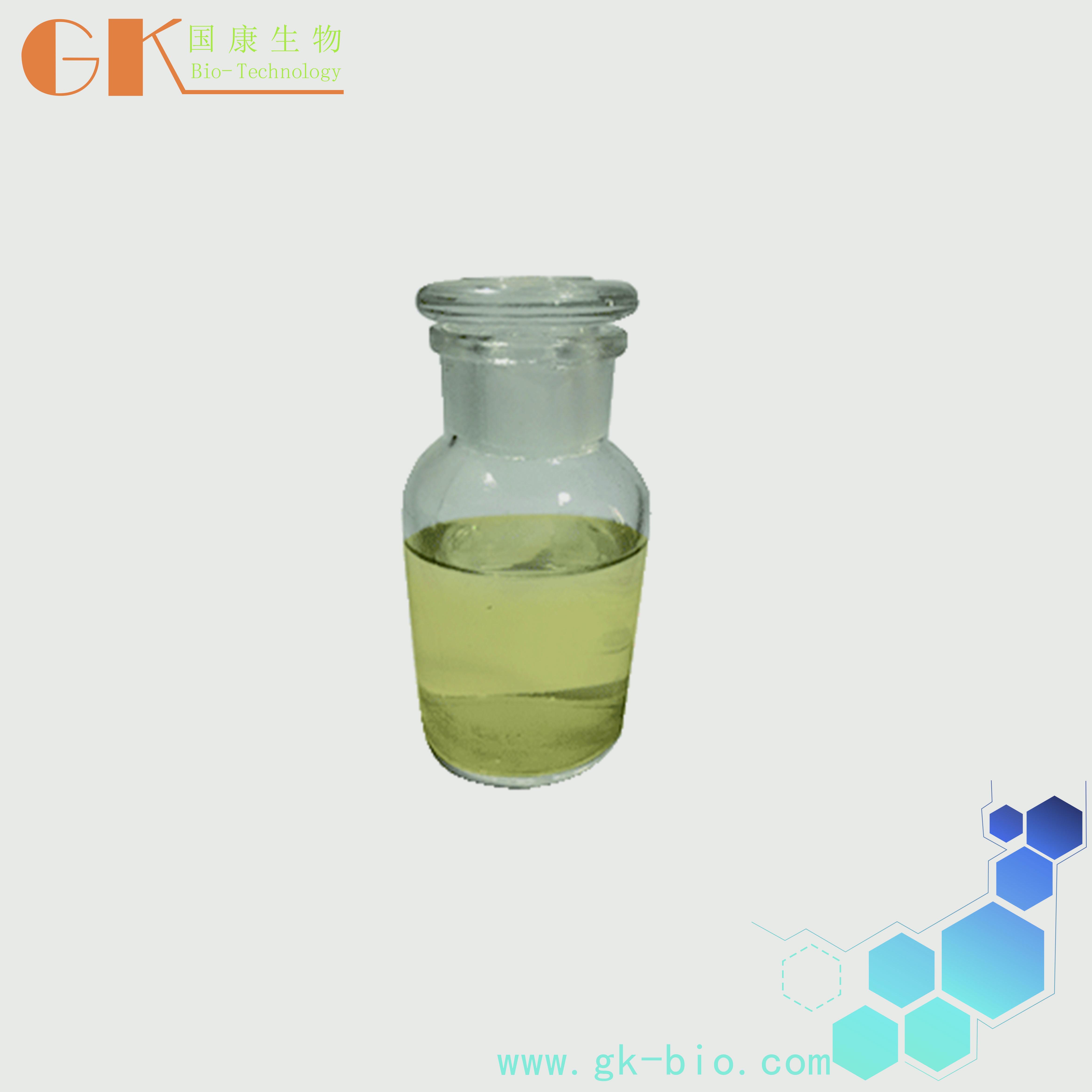
Luo Rong studied the feasibility of catalytic preparation of Methyl 4-tert-butylbenzoate using p-tert-butylbenzoic acid and methanol as raw materials, with 98% concentrated sulfuric acid as the catalyst. The reaction time was 10 hours, and the catalyst content was 10wt.%. After the reaction, excess methanol solvent was recovered by distillation under normal pressure, and then vacuum dried until no methanol remained. The residue was cooled to room temperature, water was added, and chloroform was added to the water, stirred, left to stand, and layered. The water layer was extracted with chloroform (2×100ml), and the organic layers were combined, neutralized with saturated Na2CO3 solution, and washed with water until neutral. Dried with anhydrous sodium sulfate, the chloroform solvent was distilled under normal pressure, and the residue was distilled under reduced pressure to collect the fraction: 112 ~ 114℃/8mmHg, yielding a pale yellow solution with a yield of 88% ~ 92%. The results showed that this process could be used to prepare Methyl 4-tert-butylbenzoate, and concentrated sulfuric acid has good catalytic performance for its synthesis.
Song Shufen and others prepared six types of sulfonic acid ionic liquids with high purity and good water stability, which were used to catalyze the esterification reaction for synthesizing Methyl 4-tert-butylbenzoate. The results showed that these sulfonic acid Brønsted acid ionic liquids have good catalytic performance, among which the pyridine butane sulfonic acid hydrogen sulfate ionic liquid catalyst was the best considering both catalytic performance and stability. Using this ionic liquid catalyst, at a reaction temperature of 140℃, with a molar ratio of methanol: p-tert-butylbenzoic acid: ionic liquid = 100:10:1, and a reaction time of 2.5 hours, the conversion rate reached 90%. The ionic liquid catalyst is easy to separate from the product, has good stability, can be reused, and is environmentally friendly, making it a catalyst with industrial application prospects for preparing Methyl 4-tert-butylbenzoate.
Methyl 4-tert-butylbenzoate is widely used in the personal care industry. It plays an important role in the production of Avobenzone, an effective UVA I and UVA II blocker that is widely used in sunscreens, hair care products, shampoos, and skincare products.
One of the main uses of Methyl 4-tert-butylbenzoate is in the production of sunscreen agents—Avobenzone (also known as 4-tert-butyl-4'-methoxydibenzoylmethane, Parsol 1789, see image below). Avobenzone can absorb UV-A, making it a highly effective sunscreen agent. When mixed with UV-B absorbing agents, it can completely absorb ultraviolet light with wavelengths of 280 ~ 380nm. Therefore, Avobenzone is widely used in cosmetics, providing antioxidant protection and resisting damage to the skin caused by heat, light, and humidity.

Methyl 4-tert-butylbenzoate is also widely used in the production of PVC heat stabilizers and as an additive in cutting oils and lubricants. This specialty chemical can be used as a modifier for alkyd resins, improving the gloss, color, and performance of the resin.
In organic synthesis, it is used to produce tris(4-tert-butylphenyl)chloromethane, which has potential applications in various chemical reactions.
Methyl 4-tert-butylbenzoate is classified as harmful. Acute toxicity studies have shown that it has moderate oral, dermal, and inhalation toxicity to rats.
Methyl 4-tert-butylbenzoate presents certain safety concerns. According to available safety data sheets, this compound is classified as harmful if swallowed, inhaled, or in contact with skin. This classification falls under the Global Harmonized System (GHS) for hazard communication. Proper handling is crucial to prevent exposure. It is recommended to wear protective gloves, clothing, and eyewear when handling this chemical. Additionally, working in a well-ventilated area is essential to minimize inhalation risks. Avoiding skin and eye contact is critical, and in case of accidental contact, immediate washing with plenty of water is required.
The production and use of Methyl 4-tert-butylbenzoate raise environmental concerns. Adopting green manufacturing practices is essential to minimize the chemical's footprint. This includes taking measures during production to reduce waste, energy consumption, and emissions. Proper disposal of this compound and its derivatives is crucial to prevent soil and water pollution. Additionally, it is necessary to study the potential environmental fate and impact of Methyl 4-tert-butylbenzoate to assess its long-term effects on ecosystems.
|
 |
 |
 |
 EN
EN
 Agricultural News
 Food News
 Industrial News
 Cosmetic News
 Pharmaceutical News
 Science News

 3YRS
3YRS

