-
We detected your language preference as English. Would you like to switch to the English version for a better experience?
Switch to English
Stay here


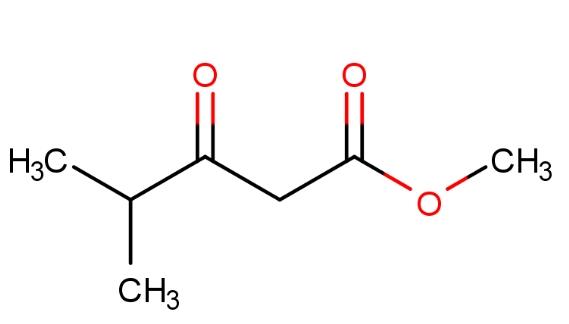
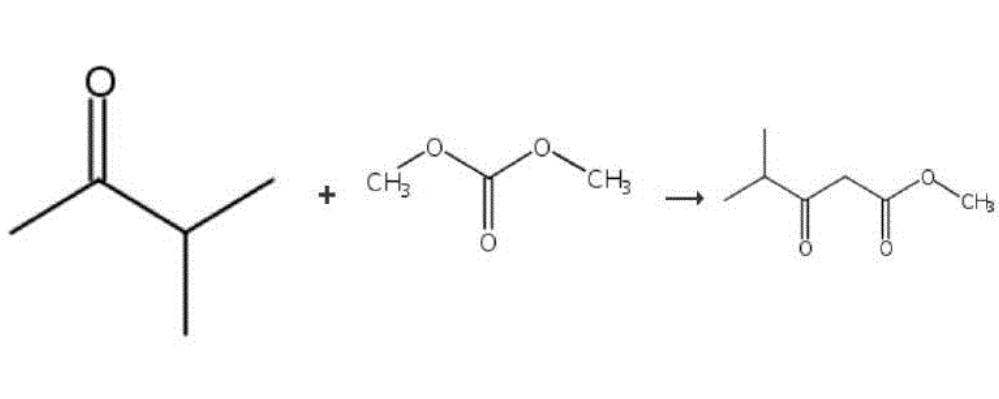
Methyl isobutyrylacetate, also known as 4-methyl-3-oxopentanoic acid methyl ester, isobutyrylacetate methyl ester, with CAS No.: 42558-54-3, has the molecular formula C7H12O3. The methyl isobutyrylacetate MSDS specifies its usage as a chemical reagent in laboratory environments. It is an important pharmaceutical and pesticide intermediate, particularly as a key intermediate in the synthesis of atorvastatin.
Methyl isobutyrylacetate (M1) is an essential precursor for the synthesis of 4-fluoro-α-(2-methyl-1-oxopropyl)-γ-oxo-N,β-diphenyl-benzene butyramide (M4), which is a crucial intermediate in the synthesis of atorvastatin calcium. Therefore, M-1, M-4, and their derivatives have broad applications and significant development potential. The structure of methyl isobutyrylacetate is as follows:
Pancreatic Islet Metabolism
Methyl isobutyrylacetate has been shown to stimulate respiration, ketogenesis, and biosynthetic activity in rat islet cells. This compound is metabolized into various substances during islet metabolism, including carbon dioxide, water, acetoacetate, and L-leucine.
Plasma Determination
Researchers such as Schadewaldt have developed a spectrophotometric method for determining 4-methyl-2-oxopentanoate in plasma, proving its clinical diagnostic value, especially in detecting diseases like maple syrup urine disease.
Insulin Secretion and Calcium Uptake
Studies have indicated that methyl isobutyrylacetate affects insulin secretion, which is associated with changes in islet cell respiration and calcium uptake.
Synthesis of Complex Molecules
Methyl isobutyrylacetate has been widely used as a precursor in the synthesis of complex compounds, such as tetrahydro-γ-carboline. It is also used in the synthesis of various heterocyclic compounds, including furans, pyrazolones, and quinolinones.
Enzyme Catalysis Optimization
Yadav and others have optimized the enzyme-catalyzed synthesis of butyl-4-methyl-3-oxopentanoate using immobilized Candida antarctica lipase B, highlighting the industrial importance of this compound.
Research has shown that methyl isobutyrylacetate possesses significant anticancer activity. In both in vitro and in vivo experiments, this compound has been proven effective in inhibiting tumor cell proliferation, with an IC50 value of approximately 1.5 μM.
The Material Safety Data Sheet (MSDS), now commonly referred to as a Safety Data Sheet (SDS), is a comprehensive document providing detailed information on a chemical substance or mixture. These documents are crucial for safely handling, storing, transporting, and disposing of chemicals. The
methyl isobutyryl acetate msds outlines specific hazards associated with this chemical, such as flammability, health risks, and reactivity. It also provides essential guidelines on protective measures, emergency procedures, and proper handling techniques. By carefully reviewing and following the information contained in the MSDS, individuals can minimize risks and ensure safe operations involving methyl isobutyrylacetate.
General Advice
Consult a physician. Show this safety data sheet to the doctor in attendance.
If Inhaled
If inhaled, move the person to fresh air. If not breathing, give artificial respiration. Consult a physician.
In Case of Skin Contact
Wash off with soap and plenty of water. Consult a physician.
In Case of Eye Contact
Rinse thoroughly with plenty of water for at least 15 minutes and consult a physician.
If Swallowed
Never give anything by mouth to an unconscious person. Rinse mouth with water. Consult a physician.
Personal Precautions, Protective Equipment, and Emergency Procedures
Use personal protective equipment. Avoid dust formation. Avoid breathing vapors, mist, or gas. Ensure adequate ventilation. Evacuate personnel to safe areas. Avoid breathing dust.
Environmental Precautions
Prevent further leakage or spillage if safe to do so. Do not let the product enter drains. Discharge into the environment must be avoided.
Methods and Materials for Containment and Cleaning Up
Pick up and arrange disposal without creating dust. Sweep up and shovel. Keep in suitable, closed containers for disposal.
Precautions for Safe Handling
Avoid contact with skin and eyes. Avoid the formation of dust and aerosols. Avoid contact - Obtain special instructions before use. Provide appropriate exhaust ventilation at places where dust is formed.
Conditions for Safe Storage, Including Any Incompatibilities
Store in a cool place. Keep container tightly closed in a dry and well-ventilated place.
Eye/Face Protection
Safety glasses with side shields conforming to EN166. Use eye protection equipment tested and approved under appropriate government standards such as NIOSH (US) or EN 166 (EU).
Skin Protection
Wear impervious clothing. The type of protective equipment must be selected according to the concentration and amount of the dangerous substance at the specific workplace. Handle with gloves. Gloves must be inspected prior to use. Use proper glove removal technique (without touching the glove's outer surface) to avoid skin contact with this product. Dispose of contaminated gloves after use in accordance with applicable laws and good laboratory practices. Wash and dry hands. The selected protective gloves have to satisfy the specifications of EU Directive 89/686/EEC and the standard EN 374 derived from it.
Respiratory Protection
Wear a dust mask when handling large quantities of material.
 |
|
 |
 |
|
 EN
EN
 Agricultural News
 Food News
 Industrial News
 Cosmetic News
 Pharmaceutical News
 Science News

 6YRS
6YRS

