-
We detected your language preference as English. Would you like to switch to the English version for a better experience?
Switch to English
Stay here


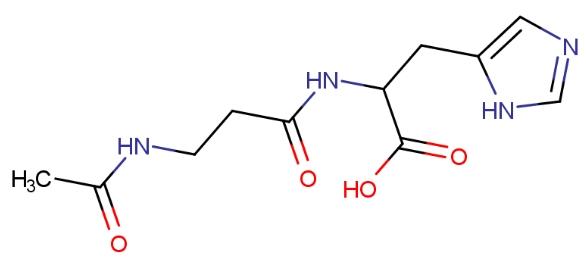
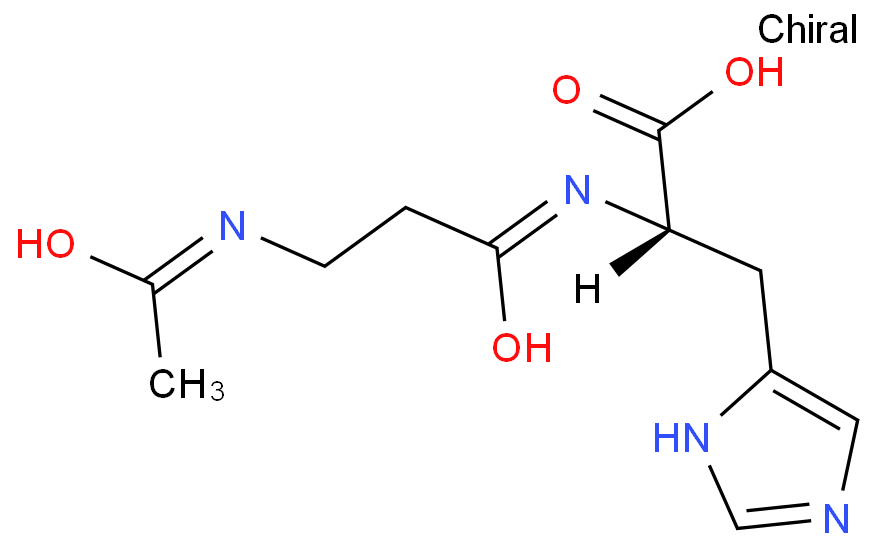
N-Acetylcarnosine is a naturally occurring histidine-containing dipeptide, serving as a major source of the pharmacologically active L-carnosine. It is an effective ophthalmic drug for treating human cataracts.
Scientists at Innovative Vision Products, Inc. (IVP) developed a lubricating eye drop (Can-C) designed as a 1% N-Acetylcarnosine (NAC) prodrug L-carnosine, containing mucin-adhesive cellulose-based compounds combined with a corneal absorption promoter, creating a sustained drug delivery system. Only the natural L-isomer form of NAC is synthesized in a cGMP facility and used in the production of Can-C eye drops.
A study by Mark A Babizhayev et al. followed elderly subjects with cataracts for nine months. After nine months of treatment with NAC, there was an improvement in vision for both cataract and non-cataract elderly subjects. Examples of cataract reversal in elderly subjects were shown in slit-lamp images as a point of note:


Oxidative Damage: Excess reactive oxygen species can damage cells, leading to various diseases, including cataracts.
Protective Role of Carnosine: Carnosine, as an endogenous antioxidant, effectively scavenges reactive oxygen species, protecting cells from oxidative damage. However, the body's ability to synthesize carnosine declines with age.
N-Acetylcarnosine Supplementation: N-Acetylcarnosine supplementation can restore the body's antioxidant capacity, effectively preventing and treating cataract-related diseases caused by oxidative damage. Cataract formation is often associated with oxidative damage to the lens, a primary cause of aging. As a natural amino acid, N-Acetylcarnosine can effectively inhibit oxidative reactions, helping to delay cataract progression. Supplementing N-Acetylcarnosine helps restore and enhance the body's antioxidant capacity, combating oxidative damage caused by aging.
Glycation Reaction: The glycation reaction refers to the non-enzymatic reaction between proteins and sugars, producing advanced glycation end products (AGEs), which can damage tissues and accelerate aging. Glycation is not only related to diabetes but may also lead to hypertension, cataracts, kidney disease, Alzheimer's disease, and decreased immunity.
Anti-Glycation Role of Carnosine: Carnosine can inhibit the formation of AGEs by competitively binding to sugar molecules, thereby delaying aging and preventing various chronic diseases.
Application of N-Acetylcarnosine: N-Acetylcarnosine-containing cataract eye drops, such as Clarity, significantly improve cataract treatment outcomes through anti-glycation effects. N-Acetylcarnosine, as a highly effective anti-glycation agent, is widely used in skincare products, health supplements, and other fields.
N-Acetylcarnosine (NAC) is highly regarded for its beneficial applications in eye health, particularly in the prevention and treatment of cataracts. When used in eye drops, NAC acts as a potent antioxidant, helping to combat oxidative damage to the eye lens. This damage is a key factor in cataract formation, where the lens becomes cloudy, impairing vision. Research suggests that NAC eye drops can improve vision and slow cataract progression by neutralizing free radicals that cause lens degradation. This application makes NAC a valuable tool for individuals seeking to maintain eye health and delay the onset of age-related vision problems.
N-Acetylcarnosine, when hydrolyzed into carnosine in the eyes, exhibits antioxidant, anti-glycation, and fatigue-reducing effects, which can also inhibit lens oxidation, a cause of cataracts. Approximately 90% of elderly subjects showed improvement in vision and glare reduction within one month of use.
Beyond its benefits for eye health, N-Acetylcarnosine is also a key antioxidant that provides essential support against oxidative stress. Oxidative stress in the body, caused by an imbalance between free radicals and antioxidants, leads to cellular damage and aging. NAC's antioxidant role includes scavenging harmful free radicals, reducing their damage to cells and tissues. This protective effect extends to various organs and systems, potentially mitigating the impact of oxidative stress on overall health and longevity. By neutralizing these harmful molecules, NAC helps maintain cellular integrity and function.
Ophthalmic NAC drugs hold promise for treating a range of ophthalmic diseases with oxidative stress components in their pathogenesis, including cataracts, glaucoma, dry eye syndrome, vitreous floaters, inflammatory diseases, and corneal, retinal, and systemic diseases (such as diabetes and its ophthalmic complications).
The potential of NAC in anti-aging skincare products is being explored. Its antioxidant properties extend to the skin, where it can help counteract the effects of environmental stressors like UV radiation and pollution. These factors accelerate skin aging by promoting oxidative damage and inflammation. Adding NAC to skincare formulations can provide protective benefits, such as reducing the appearance of fine lines, improving skin elasticity, and enhancing overall skin tone. As a result, NAC is becoming a sought-after ingredient in anti-aging products aimed at maintaining youthful, healthy skin.
Generally, N-Acetylcarnosine is considered safe with minimal side effects. It is commonly used in eye drops for cataract treatment and has been extensively studied. A Russian study involving 49 elderly cataract patients found that continuous use of NAC eye drops for 6 to 24 months significantly improved patients' vision. The study showed that at six months, 88.9% of patients experienced reduced glare sensitivity, 41.5% had improved lens transparency, and 90% had improved vision. Long-term follow-up results indicated that NAC treatment could sustain these improvements. The study also showed that at 24 months, the NAC treatment group maintained improvement by continuing to use NAC eye drops. Nearly all patients tolerated NAC eye drops well, with no reports of ocular or systemic adverse reactions.
However, individual responses may vary. Some people may experience mild irritation or stinging when applying eye drops. C-NAC eye drops, produced by INTAS PHARMA, are primarily composed of glycerin, N-Acetylcarnosine, and sodium carboxymethyl cellulose. They are typically used to diagnose or treat conditions such as dry or flaky skin, increased intraocular pressure, and cataracts. Some side effects may include allergic reactions, abdominal cramps, acute toxicity, and intestinal irritation.
Allergic Reactions: Like any substance, N-Acetylcarnosine may cause allergic reactions. If you notice any severe symptoms, such as difficulty breathing, facial or throat swelling, or rash, seek medical attention immediately.
Interactions with Other Medications: While interactions with other medications are rare, it is advisable to consult your healthcare provider before starting any new treatment, including eye drops.
When using eye drops, you may feel a slight stinging sensation. If this becomes very uncomfortable, seek medical help immediately.
If you wear contact lenses, remove them before applying the eye drops and rinse your eyes with clean water. Wait 15 minutes before wearing your contact lenses again.
Before using eye drops, inform your doctor if you are using any other prescription or over-the-counter eye drops and provide any past or planned eye surgery information.
If you are pregnant, planning to become pregnant, or breastfeeding, inform your doctor.
Do not use the medication if you are allergic to N-Acetylcarnosine or any of its ingredients.
[1]https://www.1mg.com/generics/
[2]https://www.ncbi.nlm.nih.gov/pmc/articles/PMC2685223/
[3]https://www.medibuddy.in/medicines/c-nac-eye-drops
[4]https://www.medchemexpress.com/
[5]https://pubmed.ncbi.nlm.nih.gov/16274259/
[6]https://pubmed.ncbi.nlm.nih.gov/12001824/
[7]https://www.science.gov/topicpages/n/n-acetylcarnosine+lubricant+eye
[8]https://baike.baidu.com/item/N-%E4%B9%99%E9%85%B0%E8%82%8C%E8%82%BD
[9]https://en.wikipedia.org/wiki/Acetylcarnosine
 |
|
 |
 |
|
 |
 EN
EN
 Agricultural News
 Food News
 Industrial News
 Cosmetic News
 Pharmaceutical News
 Science News

 2YRS
2YRS

