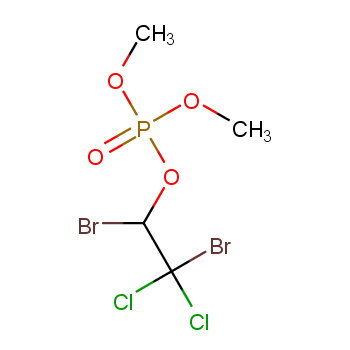
Naled is an organophosphate insecticide that has been used in the U.S. since 1959. It functions by disrupting the nervous system of insects, leading to their death. Naled is applied in ultra-low volume (ULV) formulations, which means only a small amount of the chemical is released into the air. This method allows for effective mosquito control while minimizing the amount of pesticide used. Naled is also employed in agriculture to manage pests on crops such as fruits, vegetables, and ornamental plants.
Case Study: In 2016, the city of Miami-Dade in Florida conducted an aerial spraying campaign using naled to combat the spread of Zika virus. Despite the effectiveness of this method in reducing mosquito populations, it faced backlash from local residents and health advocates who were concerned about potential health risks and environmental impacts.
While naled is effective in controlling mosquito populations, it comes with certain risks. The Environmental Protection Agency (EPA) maintains that low levels of exposure to naled are unlikely to pose significant health risks to humans. However, direct contact with the chemical can be harmful and requires immediate medical attention. The European Union banned naled in 2012 due to its potential to harm aquatic life and bees, which are crucial for pollination and the ecosystem.
Case Study: The 2016 Miami-Dade naled spraying campaign faced criticism from environmental groups and local residents. Concerns were raised about potential harm to non-target species, including honeybees, which are essential for pollination. Some residents also reported health concerns, although there was no conclusive evidence linking these issues to the naled application.
Naled has a long history of effectiveness in mosquito control. It acts quickly to reduce both adult mosquitoes and their larvae. The Centers for Disease Control and Prevention (CDC) supports the use of naled as part of an integrated pest management strategy, particularly in areas with high mosquito populations. In Florida, where the warm and humid climate creates ideal conditions for mosquito breeding, naled helps decrease mosquito numbers and reduces the risk of Zika virus transmission.
Case Study: During the Zika virus outbreak in 2016, the use of naled in Miami-Dade County was part of a broader strategy to control mosquito-borne diseases. Data from the campaign indicated a significant reduction in mosquito populations in treated areas, contributing to the control of the Zika virus spread.
The use of naled in controlling mosquito populations is a critical tool in managing the spread of the Zika virus, especially in high-risk areas like Florida. While naled has proven effective in reducing mosquito numbers, its use remains controversial due to potential health and environmental risks. Continued research, public dialogue, and regulatory oversight are essential to balance the benefits of naled with its potential impacts. Ensuring safe application practices and exploring alternative pest control methods are crucial for protecting public health and the environment.
|