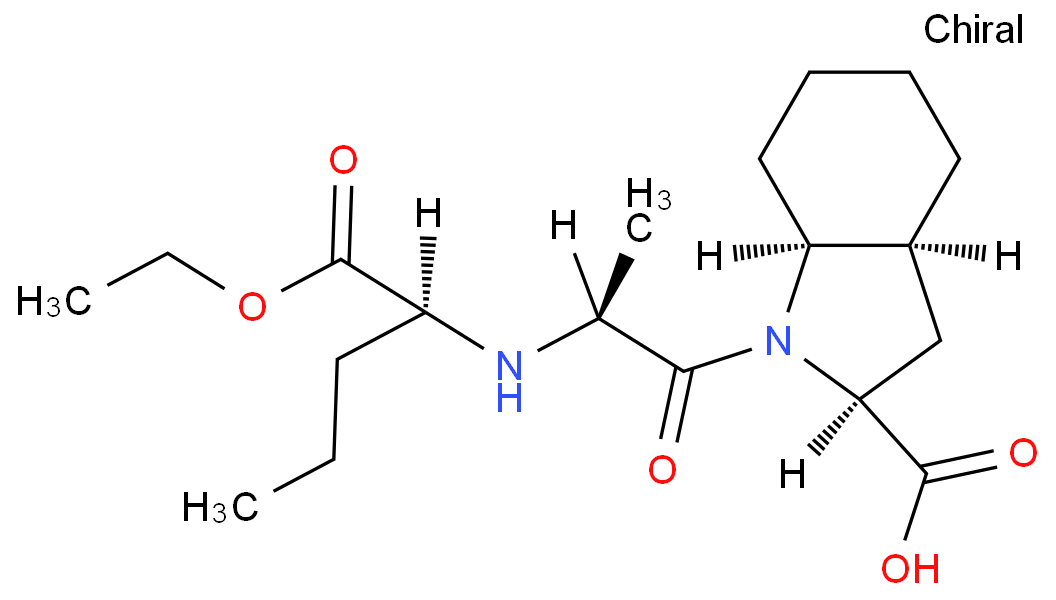
Amlodipine and perindopril are frequently used in the treatment of hypertension. Amlodipine is a calcium channel blocker that lowers blood pressure by blocking calcium ion channels, reducing the concentration of free calcium ions in cardiovascular smooth muscle cells. Perindopril, on the other hand, reduces the production of angiotensin II, leading to vasodilation and lower blood pressure. Both medications are widely used in clinical practice. The structures of perindopril and amlodipine are as follows:
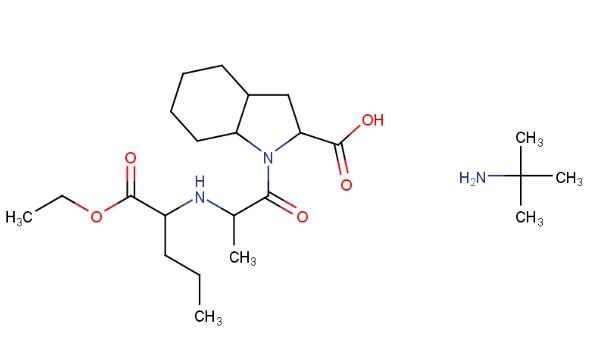
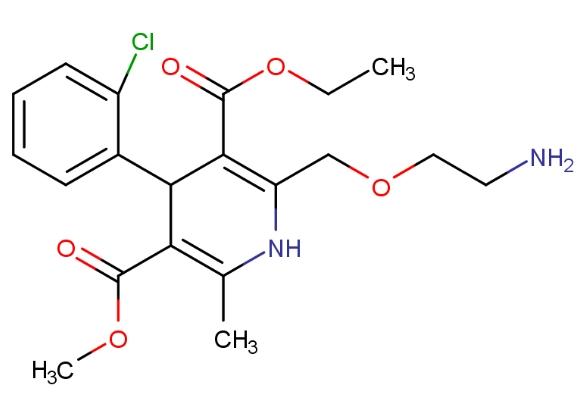
Combining a calcium channel blocker (CCB) and an angiotensin-converting enzyme (ACE) inhibitor is one of the best strategies for treating hypertension. Guidelines suggest that adding an ACE inhibitor to a high-dose CCB can reduce the risk of peripheral edema associated with CCBs, improving the tolerance of antihypertensive therapy. The combination of perindopril and amlodipine has proven effective, as confirmed by the ASCOT-BPLA (Anglo-Scandinavian Cardiac Outcomes Trial-Blood Pressure-Lowering Arm) study. This study showed that patients on a regimen of amlodipine and perindopril had better outcomes compared to those on a β-blocker/diuretic regimen.
Taking amlodipine and perindopril together: Perindopril, an ACE inhibitor, and amlodipine, a dihydropyridine calcium channel blocker, are recognized as antihypertensive drugs with complementary mechanisms. The U.S. has approved a fixed-dose combination (FDC) of perindopril arginine and amlodipine besylate (Prestalia) for hypertension. Short-term randomized controlled trials have shown that the perindopril/amlodipine FDC is more effective at lowering blood pressure than either drug alone, and appears more effective than the valsartan and valsartan/amlodipine titration regimens. The FDC is generally well tolerated, with the most common adverse events (peripheral edema, cough, headache, and dizziness) aligning with the known tolerability of the individual components. Furthermore, the incidence of peripheral edema is lower with the perindopril/amlodipine FDC compared to amlodipine monotherapy. Thus, the perindopril/amlodipine FDC is a valuable option for treating hypertension, including as initial therapy for patients who may need multiple medications to reach their blood pressure goals.
Amlodipine and perindopril are often used together in hypertension treatment. Amlodipine, as a calcium channel blocker, effectively relaxes blood vessels and improves blood circulation. Perindopril, an ACE inhibitor, dilates blood vessels and reduces fluid retention in the body, further lowering blood pressure.
Take the medication orally. Follow the instructions on the prescription label and take it at the same time every day. You can take it with or without food. If you experience stomach discomfort after taking it, consider taking it with food. Continue taking the medication unless your healthcare provider advises you to stop.
Besides perindopril, other ACE inhibitors with similar mechanisms include enalapril, captopril, ramipril, and lisinopril. Various types of medications can effectively lower blood pressure, including:
If you cannot continue with perindopril or other ACE inhibitors due to side effects like a dry cough, consider switching to other medications such as ARBs like candesartan, irbesartan, losartan, or valsartan, which generally have good tolerability.
Perindopril is an ACE inhibitor that works by blocking substances that cause blood vessels to constrict, thereby relaxing blood vessels and lowering blood pressure. Amlodipine is a calcium channel blocker (CCB). Research by Weichao Zhao et al. explored the effects of different antihypertensive medications (amlodipine and perindopril) on hypertension induced by apatinib and bevacizumab. The study involved 60 patients with hypertension induced by apatinib or bevacizumab, divided into two groups: one receiving amlodipine and the other receiving perindopril. The study found that amlodipine was slightly superior to perindopril in reducing systolic and diastolic blood pressure variability, but that perindopril had a better effect on improving endothelial function markers like NO and echocardiographic data.
Perindopril and amlodipine, as common antihypertensive drugs, each effectively lower blood pressure through different mechanisms. However, because each patient’s health condition and drug response may vary, it is essential to consult a doctor before using these medications. Professional medical advice will ensure safe use and help tailor an appropriate treatment plan based on individual needs.
[1]https://pubmed.ncbi.nlm.nih.gov/37322624/
[2]https://www.drugs.com/mtm/amlodipine-and-perindopril.html
[3]Zheng Dongbi. Effect and safety analysis of amlodipine combined with perindopril in the treatment of hypertension[J]. Northern Pharmaceutical Sciences, 2023, 20(10): 188-190. DOI: 10.3969/j.issn.1672-8351.2023.10.064.
[4]https://www.ncbi.nlm.nih.gov/pmc/articles/PMC10895423/
[5]https://pubmed.ncbi.nlm.nih.gov/26341621/
[6]https://link.springer.com/article/10.1007/s40256-022-00521-0
[7]https://www.ncbi.nlm.nih.gov/pmc/articles/PMC5859137/
[8]https://en.wikipedia.org/wiki/Perindopril
[9]https://www.nhs.uk/medicines/perindopril/common-questions-about-perindopril/
[10]https://www.drugs.com/mtm/amlodipine-and-perindopril.html
 |
|
 |


 2YRS
2YRS