
BPA: What You Need to Know
What is BPA?
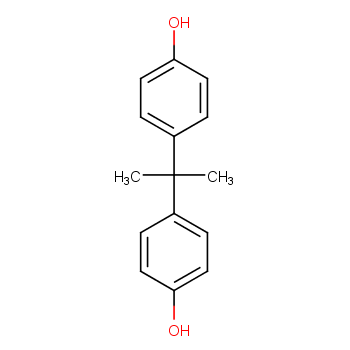
BPA is a chemical used in the production of polycarbonate plastics and epoxy resins. It's commonly found in items like water bottles, food containers, and coatings for canned goods.
Health Risks of BPA
Studies have found that exposure to BPA can lead to a variety of health problems:
- Reproductive Problems: BPA can affect fertility and reproductive development.
- Metabolic Disorders: It has been associated with obesity, insulin resistance, and type 2 diabetes.
- Cancer: Some research suggests a potential link between BPA and certain cancers, such as breast and prostate cancer.
Minimizing BPA Exposure
To reduce BPA exposure, consider the following tips:
- Avoid using plastic containers labeled with a recycling code 3 or 7, as these may contain BPA.
- Choose glass or stainless steel alternatives for food and drink storage.
- Be cautious with canned foods and look for products labeled as BPA-free.
Antimony: What You Need to Know
What is Antimony?
Antimony is a metalloid used in various industrial applications, including flame retardants and alloys. It can also be found in some textiles and electronics.
Health Risks of Antimony
Exposure to antimony can lead to several health problems, such as:
- Respiratory Issues: Inhalation of antimony dust can cause lung irritation and respiratory problems.
- Skin Irritation: Antimony can cause dermatitis upon skin contact.
- Potential Carcinogenicity: Some studies suggest that long-term exposure to antimony may increase the risk of cancer.
Minimizing Antimony Exposure
To limit exposure to antimony, follow these precautions:
- Be mindful of the materials used in textiles and electronics, and opt for products labeled as antimony-free when possible.
- Use protective equipment if working with antimony-containing materials in an industrial setting.
- Ensure proper ventilation and follow safety guidelines to minimize inhalation of antimony dust.
Conclusion
BPA and antimony are chemicals with known health risks, and their presence in everyday products warrants attention. By understanding the dangers and taking steps to reduce exposure, individuals can better protect their health and well-being.


 EN
EN
 Agricultural News
 Food News
 Industrial News
 Cosmetic News
 Pharmaceutical News
 Science News

 1YR
1YR


