What is Oleylamine Toxicity?
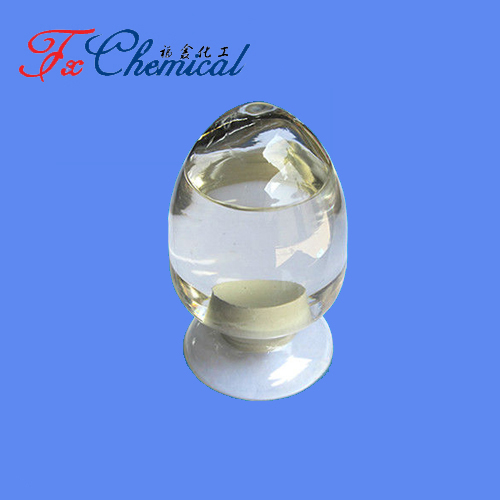
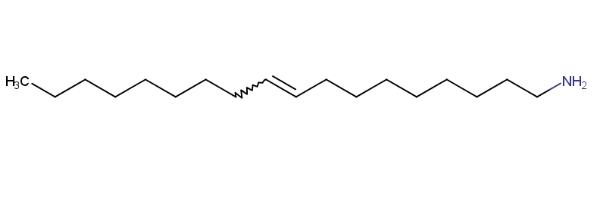
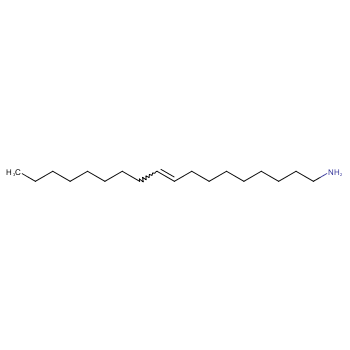
Oleylamine, also known as cis-9-octadecen-1-amine, is an organic compound with the formula C18H35NH2. Oleylamine is an unsaturated fatty amine related to the fatty acid oleic acid. Pure oleylamine is a colorless, transparent liquid, while commercial oleylamine reagents may appear yellow due to impurities. Major impurities include the trans isomer (i.e., elaidylamine) and other long-chain amines with different chain lengths. Minor impurities may include oxygen-containing compounds such as amides and nitroalkanes.
Oleylamine exhibits moderate toxicity via the intraperitoneal route, potentially causing severe skin burns and eye damage, and may also irritate the respiratory tract. Prolonged or repeated exposure can lead to organ damage. Additionally, oleylamine is highly toxic to aquatic life and its effects may be persistent.
Causes of Oleylamine Toxicity
Routes of Exposure
Oleylamine toxicity can occur through various routes, including inhalation, ingestion, and skin contact. All exposure routes can cause burns. It acts as a lachrymator (substance that increases tear flow). Ingestion is harmful, and it is highly toxic to aquatic life.
Target organs include the respiratory system, gastrointestinal system, eyes, and skin. Potential health impacts include:
- Eyes: Causes eye burns. Acts as a lachrymator.
- Skin: Causes skin burns. May induce dermatitis. Dermal absorption may be harmful.
- Ingestion: Harmful if swallowed. Causes gastrointestinal burns.
- Inhalation: Causes chemical burns to the respiratory tract. Inhalation may be harmful.
- Chronic: Adverse reproductive effects reported in animals.
Factors Leading to Toxicity
Long-term exposure to high concentrations of oleylamine significantly increases the risk of toxicity. This is particularly concerning in occupational environments where individuals may frequently come into contact with oleylamine, such as in laboratories, manufacturing facilities, or research activities. Additionally, environmental factors such as accidental spills or releases can also lead to oleylamine toxicity.
Hazards of Oleylamine
The GHS classification of oleylamine is as follows:
Symbols:

Signal Word: Danger
GHS Hazard Statements:
- H302 (94.15%): Harmful if swallowed [Warning acute toxicity, oral]
- H304 (72.09%): May be fatal if swallowed and enters airways [Danger aspiration hazard]
- H314 (99.36%): Causes severe skin burns and eye damage [Danger skin corrosion/irritation]
- H317 (14.24%): May cause an allergic skin reaction [Warning sensitization, skin]
- H318 (57.28%): Causes serious eye damage [Danger serious eye damage/eye irritation]
- H335 (100%): May cause respiratory irritation [Warning Specific target organ toxicity, single exposure; respiratory tract irritation]
- H373 (100%): May cause damage to organs (liver, gastrointestinal tract, immune system) through prolonged or repeated exposure [Warning Specific target organ toxicity, repeated exposure]
- H400 (98.66%): Very toxic to aquatic life [Warning Hazardous to the aquatic environment, acute hazard]
- H410 (77.05%): Very toxic to aquatic life with long-lasting effects [Warning Hazardous to the aquatic environment, long-term hazard]
Oleylamine Toxicity Studies
Adverse Effects
- Hepatotoxicity: Secondary hepatotoxicity based on cases of toxicity from human ingestion or animal studies.
- Dermal Toxicity: Causes skin burns.
- Pulmonary Toxicity: Pneumonitis caused by inhalation of metal fumes or toxic gases and vapors.
TSCA Testing Submission
Mutagenicity of (Z)-9-octadecen-1-amine (ODA) was evaluated in Salmonella strains TA98, TA100, TA1535, TA1537, and TA1538, including with and without Aroclor-induced rat liver S9 components for additional metabolic activation. According to preliminary bacterial toxicity assays, mutagenicity testing of acetone-diluted ODA was performed using the plate incorporation method, with concentrations up to 20 µg/plate (non-activated cultures) and 200 µg/plate (activated cultures). ODA did not induce a positive response in any bacterial test strains, regardless of metabolic activation.
Oleylamine MSDS And Oleylamine SDS
First Aid Measures
- General Advice: Consult a physician. Provide the oleylamine MSDS to the attending physician.
- Inhalation: Move the affected individual to fresh air. If breathing has stopped, perform artificial respiration. Consult a physician.
- Skin Contact: Wash with soap and plenty of water. Consult a physician.
- Eye Contact: Rinse thoroughly with plenty of water for at least 15 minutes and consult a physician.
- Ingestion: Do not induce vomiting if the person is unconscious. Rinse mouth with water. Consult a physician.
- Special Treatment: For oleylamine toxicity, seek immediate medical attention and specific treatment if necessary.
Handling and Storage
- Safe Handling Precautions: Avoid contact with skin and eyes. Avoid creating dust and aerosols. Obtain special instructions before use. Provide appropriate exhaust ventilation where dust is formed.
- Safe Storage Conditions, including Incompatibilities: Store in a cool place. Keep container tightly closed and store in a dry, well-ventilated place.
Protective Measures
- Eyes: Wear appropriate protective eyewear or chemical safety goggles as specified by OSHA's eye and face protection regulations 29 CFR 1910.133 or European Standard EN166.
- Skin: Wear appropriate protective gloves to prevent skin exposure.
- Clothing: Wear appropriate protective clothing to prevent skin exposure.
- Respirators: When respiratory protection is required, follow a respiratory protection program that meets OSHA's 29 CFR 1910.134 and ANSI Z88.2 requirements or European Standard EN 149.
References
[1]https://en.wikipedia.org/wiki/Oleylamine
[2]https://baike.baidu.com/item/%E9%A1%BA%E5%BC%8F%E6%B2%B9%E5%9F%BA%E4%BC%AF%E8%83%BA
[3]https://fscimage.fishersci.com/msds/99186.htm
[4]https://www.guidechem.com/msds/112-90-3.html
[5]https://cameochemicals.noaa.gov/chemical/21873
[6]https://pubchem.ncbi.nlm.nih.gov/compound/5356789



 3YRS
3YRS