-
We detected your language preference as English. Would you like to switch to the English version for a better experience?
Switch to English
Stay here


What is sodium bromide? Sodium bromide is a white or pale yellow crystalline powder, soluble in water but insoluble in ethanol. It is an important chemical raw material with wide applications in various fields. Understanding the characteristics and uses of sodium bromide is crucial for those involved in the production and consumption of such chemicals. By comprehending the properties, uses, and applications of sodium bromide across different industries, we can better control and manage these chemicals to avoid potential safety issues and environmental pollution. This article aims to provide a detailed overview of sodium bromide, offering practical knowledge for consumers and professionals alike.
Sodium bromide, with the molecular formula NaBr, is an inorganic compound. It is a highly volatile white crystalline solid, resembling sodium chloride in appearance. Widely used in the chemical and pharmaceutical industries, this salt has numerous applications. Its solubility prevents its natural occurrence in rocks or natural minerals. Compounds such as halides, chlorides, and iodides are also extracted from seawater.
Sodium bromide, an inorganic compound with the chemical formula NaBr, serves as a significant source of bromide ions for researchers. Its crystallization occurs similarly to NaCl, NaF, and NAI. This anhydrous salt crystallizes above 50.7 degrees Celsius.
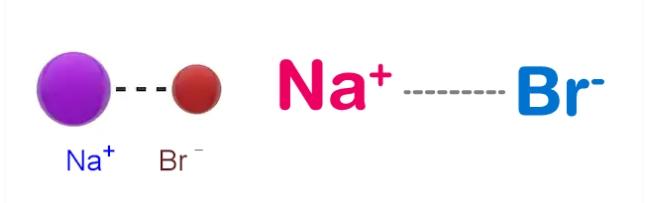
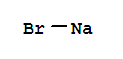
Sodium bromide (NaBr) is obtained by treating sodium hydroxide with hydrobromic acid. Sodium bromide serves as a source of bromine for chemical elements. Sodium bromide's structure resembles:

(1) Sodium bromide reacts with sulfuric acid to produce sodium sulfate and hydrogen bromide.

(2) Sodium bromide reacts with silver nitrate solution to form silver bromide and sodium nitrate.

Sodium bromide finds widespread application across various industrial processes, showcasing its remarkable versatility and utility. In the pharmaceutical industry, it is instrumental in synthesizing drugs, particularly serving as a crucial component in producing sedatives and hypnotics. Sodium bromide also plays a vital role in photography, being used to prepare silver bromide, an essential component of photographic emulsions. It facilitates the formation of photosensitive compounds, making it indispensable in the development of photographic films and papers. Additionally, sodium bromide is extensively utilized in petroleum drilling operations, primarily as a completion fluid additive. By controlling the viscosity and density of drilling fluids, sodium bromide aids in stabilizing wellbores, preventing blowouts, and enhancing overall drilling efficiency.
In the field of water treatment, sodium bromide serves as a key reagent, making significant contributions to ensuring the safety and cleanliness of water supplies. Its primary function lies in its potent disinfection properties, effectively eradicating harmful bacteria, viruses, and pathogens present in water sources. Sodium bromide achieves this by generating hypobromous acid, an effective bactericide capable of targeting and neutralizing microbial contaminants. Furthermore, sodium bromide stands out compared to other water treatment agents due to its ability to maintain disinfection efficacy across a broader pH range, ensuring consistent performance under various water conditions. Compared to chlorine-based disinfectants, sodium bromide offers the advantage of producing fewer harmful disinfection by-products, making it a safer and more environmentally friendly choice in water treatment applications.
In the medical industry, sodium bromide, known as Sedonueral, serves as a sedative, hypnotic, and anticonvulsant, extensively used in the late 19th and early 20th centuries. Due to the presence of bromide ions, the action of sodium bromide is similar to that of potassium bromide. However, bromides were phased out of medications in 1975 due to their toxicity, such as bromism. Additionally, sodium bromide is used in the treatment of epilepsy. In the pharmaceutical industry, sodium bromide also serves as a preservative and antibacterial agent.
Rashes are common, and high levels of bromide in the blood can lead to severe neurological and psychological disturbances. The significant danger of toxicity lies in low-salt diets for patients. Sodium bromide ingestion has a moderate toxicity, affecting the gastrointestinal tract and the central nervous system. Whenever safety issues arise with sodium bromide usage, there's no cause for alarm as its oral toxicity is very low. Bromide compounds have a relatively long half-life (exceeding one week in humans) and are cumulative toxic substances. However, for individuals on low-salt diets, sodium bromide is highly toxic.
To ensure the safe handling and storage of sodium bromide, governments and relevant agencies have established a series of regulations and precautions. For example, storage containers for sodium bromide must be sealed, kept away from direct sunlight and high temperatures, avoided mixing with other chemicals, and leak-proof measures must be taken during transportation. Additionally, enhanced monitoring and management of sodium bromide are necessary to ensure its use and storage comply with regulations and standards, minimizing its impact on the environment and human health.
Sodium bromide is primarily used in various industrial processes and water treatment applications, whereas potassium bromide is mainly utilized in pharmaceutical formulations and photography. The versatility of sodium bromide extends to its role as a precursor in organic compound synthesis, making it a component in producing sedatives and anticonvulsants in the pharmaceutical industry. Potassium bromide serves medical purposes as a sedative and photographic purposes as a photosensitive material. Furthermore, sodium bromide and potassium bromide differ in solubility and reactivity, influencing their suitability for specific industrial and laboratory applications.
While both sodium bromide and sodium chloride belong to the halide family, they exhibit different chemical behaviors and applications. Sodium chloride, commonly known as table salt, is widely used for food preservation, seasoning, and serves as an electrolyte in various biological processes. In contrast, although sodium bromide, like sodium chloride, is soluble in water, it is primarily used in industrial processes such as petroleum drilling and water treatment. Additionally, the characteristics of sodium bromide make it distinct from sodium chloride in pharmaceutical and photographic applications. While these two compounds share some similarities in physical properties, their differing chemical behaviors and applications highlight their unique roles in different industries.
Sodium bromide is an important chemical compound widely used in industries, agriculture, and daily life. Strict adherence to safety protocols during storage and usage is essential to avoid hazards and health risks.
(1) Sodium bromide should be stored in a cool, dry, well-ventilated area away from sources of heat and flames. It is recommended to use fiber drums lined with polyethylene plastic bags for packaging.
(2) When handling, gloves and goggles should be worn to avoid direct contact and inhalation.
(3) Sodium bromide needs to be stored in sealed containers, avoiding contact with water. During storage, desiccants can also be placed to prevent moisture absorption.
(1) In case of leaks or spills, contaminated surfaces should be immediately cleaned using absorbents or soapy water, wearing appropriate protective gloves and goggles.
(2) If sodium bromide comes into contact with eyes or skin, rinse immediately with plenty of water and seek medical attention.
(3) In case of ingestion, rinse mouth immediately and seek medical attention.
It is imperative to strictly adhere to protective measures for storage and usage and comply with relevant safety regulations and procedures to ensure the safety of yourself and others.
Sodium bromide, as a crucial compound, contributes significantly to various processes ranging from drug synthesis to petroleum drilling and photography. As sodium bromide continues to play a vital role in diverse industries and sciences, professionals and consumers alike must continuously explore additional resources to deepen their understanding of its properties, applications, and potential innovations. Furthermore, with the widespread use of sodium bromide, individuals have a responsibility to handle it with care and adhere to safety protocols.
[1] https://byjus.com/chemistry/sodium-bromide/
[2] https://www.vedantu.com/chemistry/sodium-bromide
[3] https://en.wikipedia.org/wiki/Sodium_bromide
 |
 |
 |
 |
|
 |
 EN
EN
 Agricultural News
 Food News
 Industrial News
 Cosmetic News
 Pharmaceutical News
 Science News

 15YRS
15YRS

