-
We detected your language preference as English. Would you like to switch to the English version for a better experience?
Switch to English
Stay here


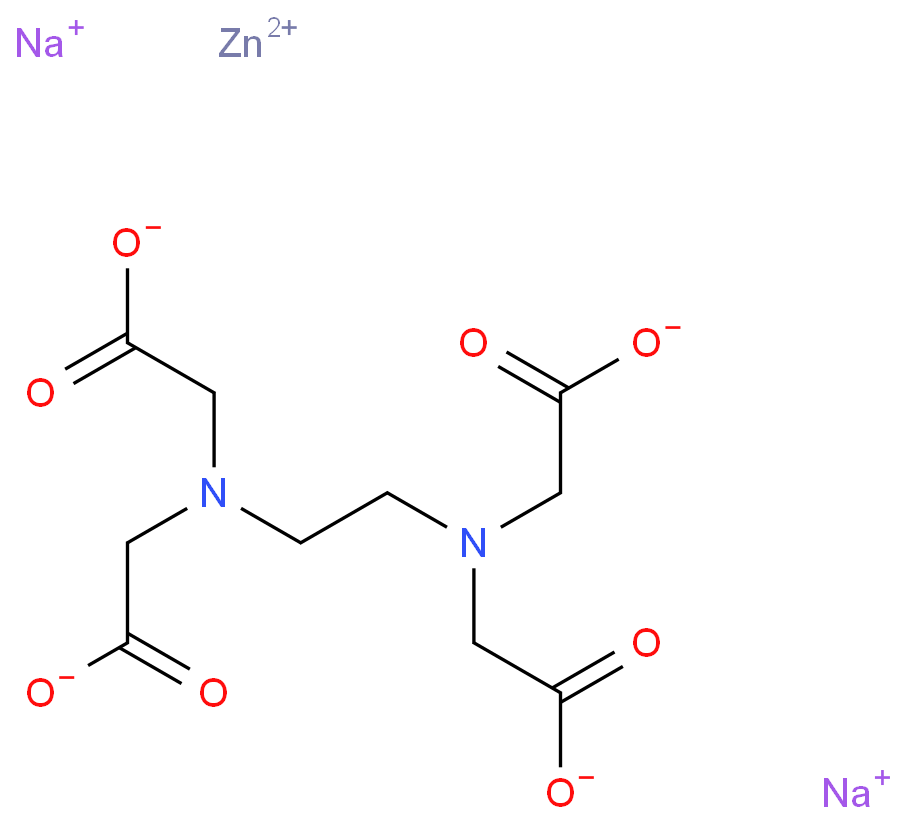
Zinc disodium EDTA is a significant compound with diverse applications across various fields. Its chemical properties and characteristics render it valuable in pharmaceuticals, food industry, environmental protection, among others. This article delves into the uses of zinc disodium EDTA, providing readers with a comprehensive understanding of its importance and significance in different domains.
EDTA stands for Ethylenediaminetetraacetic acid, and Zinc Disodium EDTA is also known as EDTA-ZnNa2. What is zinc disodium EDTA used for? Zinc disodium EDTA is a stable water-soluble metal chelator used for the prevention and correction of zinc deficiency. This form of EDTA chelates zinc is used as a micronutrient in agriculture. It functions as a stable water-soluble metal chelator, with zinc in a chelated state. Zinc disodium EDTA serves as a sequestrant. It is a stable water-soluble metal chelator, capable of chelating multivalent iron ions. Thus, zinc disodium EDTA can serve as a foliar fertilizer. Zinc EDTA is a chelating agent.

Zinc disodium EDTA, also known as EDTA-Zn, is a versatile compound with numerous applications in various industries. Its primary function is as a chelating agent, meaning it can bind with metal ions and form stable complexes. This property makes it valuable in several industrial processes. Here are some key industrial applications of zinc disodium EDTA:
Zinc disodium EDTA excels at binding with unwanted metal ions in solutions. This chelation process prevents these metals from interfering with desired chemical reactions. Industrial applications include:
- Boiler and cooling water treatment: Hard water containing dissolved minerals like calcium and magnesium can form scale deposits in boilers and cooling systems. Zinc disodium EDTA chelates these metal ions, preventing scaling and improving heat transfer efficiency.
- Textile processing: Metal impurities in water used for textile dyeing can alter the color of dyes or cause uneven dyeing. Zinc disodium EDTA chelates these metal ions, ensuring consistent and vibrant colors in fabrics.
Zinc disodium EDTA is used for purposes other than metal chelation in various water treatment processes. It can:
- Remove heavy metals: In cases of heavy metal contamination, zinc disodium EDTA can effectively bind these metals, removing them from wastewater streams.
- Control discoloration: Iron and manganese can cause discoloration in water. Zinc disodium EDTA chelates these metals, making the water clearer.
Other Applications
- Polymerization: Controls the activity of metal catalysts used in certain polymerization reactions.
- Cosmetics: Enhances the stability of certain cosmetic formulations by chelating destabilizing metal ions.
- Agriculture: In some cases, it can be used as a micronutrient fertilizer, delivering zinc to plants.
Metal Ion Binding
Zinc disodium EDTA binds to metal ions such as iron and calcium, which can naturally occur in water or cosmetic ingredients. These metal ions can interact negatively with other ingredients, causing discoloration, instability, and shortening the shelf life. By binding with these metal ions, zinc disodium EDTA essentially deactivates them, preventing these undesirable reactions.
Enhancing Product Stability and Oxidation Prevention
By removing freely floating metal ions, Zinc disodium EDTA provides several benefits:
- Stability: Metal ions can accelerate the breakdown of certain cosmetic ingredients. By chelating them, zinc disodium EDTA helps maintain the integrity of the product and extend its shelf life.
- Clarity: Metal ions can cause cosmetics to become cloudy or hazy. Chelation helps keep the product clear and visually appealing.
- Preservation: Metal ions can sometimes facilitate the oxidation of essential oils and other ingredients, resulting in unpleasant odors and decreased efficacy. Zinc disodium EDTA helps prevent this oxidation, preserving the fragrance and effectiveness of the product.
Zinc disodium EDTA can be a useful tool in the food industry for maintaining the color, flavor, and freshness of food. Here's how it brings these benefits:
Color
Zinc disodium EDTA acts as a chelating agent, meaning it can bind with metal ions. These metal ions can sometimes accelerate oxidation processes, leading to discoloration of food. By removing these metal ions, Zinc disodium EDTA can help food maintain its original color for longer. This is particularly useful for processed fruits and vegetables, as well as prepared meats.
Flavor
Similar to its effect on color, Zinc disodium EDTA can help preserve flavor by preventing certain metal ions from promoting oxidation reactions that alter taste. This is especially important for fats and oils, as they are prone to spoilage through oxidation.
Freshness
Zinc disodium EDTA can indirectly promote freshness by inhibiting the growth of certain microorganisms that rely on metal ions for some essential functions. By limiting the availability of these metal ions, Zinc disodium EDTA can create an inhibitory environment for these microorganisms, potentially extending the shelf life of some foods.
EDTA (Ethylenediaminetetraacetic acid) is a molecule that can bind with metal ions. This property makes it useful for various purposes. Whether EDTA is harmful depends on the amount and manner of exposure. Small amounts of EDTA, such as those found in food or cosmetics, are generally safe. However, high doses of EDTA can be harmful and may lead to kidney damage, low blood pressure, and other side effects. Here are some considerations:
Safe as a Food Additive
The levels of EDTA allowed in food are considered safe for most people.
Beware of High Doses
EDTA chelation therapy, a medical treatment that uses high doses of EDTA, may pose risks and should be administered under a doctor's supervision.
Avoidance for Certain Conditions
If you have kidney disease, liver disease, or a history of seizures, you should avoid using EDTA.
(1) Strong Chelating Ability: EDTA can form stable complexes with various metal ions, including zinc, iron, copper, manganese, calcium, and more.
(2) Good Water Solubility: Zinc disodium EDTA is readily soluble in water and can completely dissociate in aqueous solutions, releasing EDTA ions.
Good Biodegradability: Zinc disodium EDTA can be biodegraded by microorganisms without causing environmental pollution.
(1) Higher Cost: The production cost of zinc disodium EDTA is relatively high, leading to a higher price compared to other compounds.
(2) Potential Toxicity to Certain Organisms: EDTA exhibits toxicity to some aquatic organisms, and high concentrations of zinc disodium EDTA may pose a threat to aquatic ecosystems.
Here are some common alternatives to zinc disodium EDTA:
(1) DTPA (Diethylene Triamine Pentaacetic Acid, Disodium Salt): DTPA has chelating capabilities similar to EDTA but is more cost-effective and less toxic to the environment.
(2) HEDTA (Hydroxyethyl Ethylenediamine Triacetic Acid, Disodium Salt): HEDTA's chelating ability is slightly weaker than EDTA, but it exhibits stronger chelation with alkaline earth metal ions such as calcium and magnesium.
(3) NTA (Nitrilotriacetic Acid, Trisodium Salt): NTA has chelating properties similar to EDTA but is more cost-effective and less toxic to the environment.
In summary, zinc disodium EDTA, as a multifunctional compound, offers a wide range of applications and benefits. It can play significant roles in fields such as pharmaceuticals, food industry, and environmental protection. We encourage further exploration of the potential applications of zinc disodium EDTA across various industries to drive development and innovation. If you have further questions about the uses and applications of zinc disodium EDTA or need to purchase related products, please consult reputable supplier websites.
[1] https://www.avachemicals.net/edta-zinc.html
[2] https://cosmetics.specialchem.com/inci-ingredients/disodium-edta
[3] https://www.irochemical.com/product-detail/edta-znna2/
[4] https://www.rxlist.com/supplements/edta.htm
[5] https://www.ncbi.nlm.nih.gov/books/NBK565883/
[6] https://www.fengchengroup.com/chemicals/featured-chemicals/zinc-edetate-edta-zn.html
|
 |
 |
|
 EN
EN
 Agricultural News
 Food News
 Industrial News
 Cosmetic News
 Pharmaceutical News
 Science News

 3YRS
3YRS

