
Amiodarone, with the chemical formula C25H29I2NO3 and CAS number 1951-25-3, is an antiarrhythmic medication used to treat and prevent various types of irregular heartbeats, such as atrial fibrillation and ventricular tachycardia.
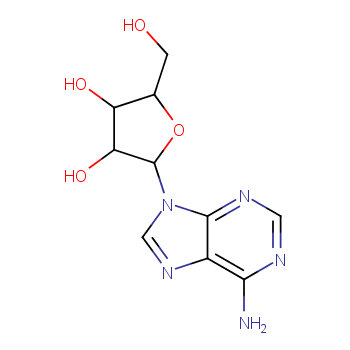
Adenosine, with the chemical formula C10H13N5O4 and CAS number 58-61-7, is a naturally occurring purine nucleoside that is primarily used to treat supraventricular tachycardia (SVT) by slowing down the electrical conduction in the heart.
Many people ask adenosine vs amiodarone, which will be answered next. Amiodarone and Adenosine are both utilized in the management of heart arrhythmias, but they differ greatly in their mechanism of action, uses, and side effects. The key difference between the two lies in Amiodarone's broad-spectrum antiarrhythmic action and long-term use, whereas Adenosine is typically used for acute interventions, particularly in the emergency treatment of arrhythmias.


Both compounds are synthesized via distinct chemical pathways, with Amiodarone requiring a more complex synthetic process due to its iodine incorporation, whereas Adenosine is a naturally occurring nucleoside that can also be synthesized in the lab for pharmaceutical use.
Amiodarone and Adenosine are both important medications used in the treatment of arrhythmias, but they are employed in different clinical scenarios due to their unique mechanisms of action and side effect profiles.

Amiodarone is used extensively in the treatment of various cardiac arrhythmias, particularly those that are difficult to manage with other medications. Its primary use is for the long-term management of atrial fibrillation (AF) and ventricular arrhythmias, such as ventricular tachycardia (VT). In patients with chronic arrhythmias, Amiodarone helps maintain normal sinus rhythm and prevent recurrent arrhythmias. It is also used in emergency situations, such as when patients experience sustained ventricular fibrillation (VF) or pulseless ventricular tachycardia, and is often administered during cardiopulmonary resuscitation (CPR) protocols.
Amiodarone's efficacy in managing both atrial and ventricular arrhythmias makes it a versatile and valuable tool in the cardiology field. However, its use is typically reserved for patients who do not respond to first-line antiarrhythmic agents or for those who are not candidates for invasive procedures such as catheter ablation. One of the key benefits of Amiodarone is its ability to exert effects on multiple ion channels (including sodium, potassium, and calcium channels), which contribute to its broad-spectrum action. Despite its efficacy, Amiodarone is associated with significant long-term side effects, including thyroid dysfunction, pulmonary toxicity, and liver enzyme abnormalities, which require careful monitoring during treatment.
Adenosine, on the other hand, is used in emergency situations for the rapid termination of supraventricular tachycardia (SVT). It works by briefly blocking the conduction of electrical impulses through the atrioventricular (AV) node, allowing for the restoration of normal sinus rhythm. This action makes Adenosine the drug of choice for acute arrhythmia episodes.
Adenosine's primary advantage is its rapid onset of action, with effects typically observed within seconds of administration. Due to its short half-life, Adenosine's effects are transient, and it is generally considered safe with minimal long-term effects. Its role in acute arrhythmia management is critical in emergency settings, particularly in the pre-hospital environment or in emergency departments where rapid arrhythmia conversion is necessary. Although Adenosine is highly effective for SVT, it is not suitable for long-term arrhythmia management or for more complex arrhythmias such as atrial fibrillation or ventricular arrhythmias.
adenosine vs amiodarone is addressed in this paper. In conclusion, Amiodarone and Adenosine both play vital roles in the treatment of arrhythmias, but their applications differ significantly. Amiodarone is ideal for chronic arrhythmias and long-term management, while Adenosine is used in acute settings for the rapid conversion of SVT. Both drugs are effective in their respective indications but require careful monitoring for side effects, especially with Amiodarone's prolonged use. Understanding the differences between Amiodarone vs Adenosine helps healthcare providers select the appropriate treatment based on the specific needs of the patient.
| Side Effect |
Amiodarone |
Adenosine |
|---|---|---|
| Respiratory Issues | Can cause pulmonary toxicity, including fibrosis and pneumonitis | Unlikely to cause respiratory issues |
| Thyroid Dysfunction | Can cause hypo- or hyperthyroidism | No significant impact on thyroid function |
| Short-term Effects | Can cause dizziness, nausea, or liver enzyme abnormalities | Short-lived effects, such as flushing and chest discomfort |
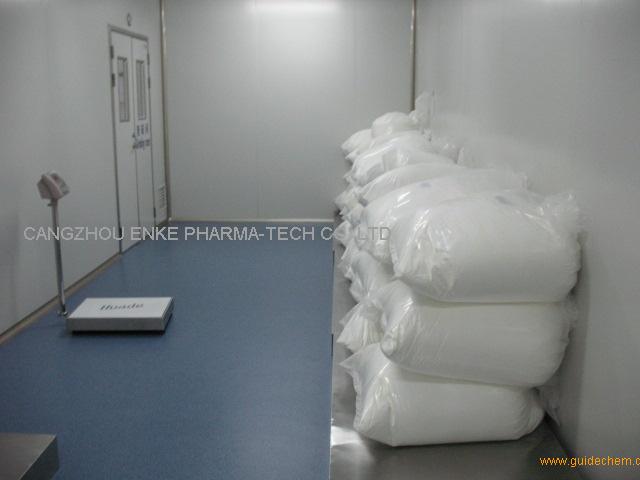
If you're looking to purchase these compounds, Guidechem is your go-to platform for sourcing high-quality raw materials and reliable suppliers. With our extensive global network, we connect you to a wide range of Amiodarone suppliers and Adenosine suppliers, ensuring you find the right products to meet your specific research or production requirements. Whether you're in pharmaceuticals, food additives, or other industries, Guidechem simplifies the sourcing process, offering verified supplier information, competitive pricing, and seamless communication.
[1]Mechanisms of Antiarrhythmic Drug Action: Amiodarone by C. M. Richards.
[2]Role of Adenosine in Cardiovascular Medicine by A. D. Hawkins.
[3]Therapeutic Applications and Adverse Effects of Amiodarone in Journal of Clinical Pharmacology.
[4]Adenosine in the Treatment of Paroxysmal Supraventricular Tachycardia in Cardiology Review.
|
 |
 |


 3YRS
3YRS


