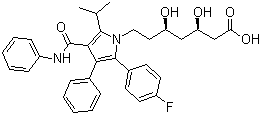
Atorvastatin, with the chemical formula C33H35FN2O5 and CAS number 134523-00-5, is a widely prescribed medication primarily used to lower elevated cholesterol levels and reduce the risk of cardiovascular diseases. It belongs to a class of drugs known as statins, which work by inhibiting HMG-CoA reductase, an enzyme responsible for cholesterol production in the liver.
Metformin, with the chemical formula C4H11N5 and CAS number 657-24-9, is a medication commonly prescribed to treat type 2 diabetes. It works by improving the body's response to insulin, reducing the amount of sugar produced by the liver, and increasing glucose uptake by muscles. Unlike many diabetes medications, metformin is not associated with weight gain and may even promote weight loss.
Atorvastatin and Metformin are both essential medications used for the treatment of distinct health conditions. While atorvastatin is effective in managing cholesterol and reducing the risk of heart disease, metformin primarily targets type 2 diabetes. Interestingly, both medications have been explored for their potential antitumor properties, particularly in the context of breast cancer. Research suggests that combining atorvastatin and metformin before surgery may offer enhanced treatment outcomes for breast cancer patients, demonstrating the therapeutic versatility of these two compounds.


Both atorvastatin and metformin have well-defined synthetic routes. Atorvastatin’s synthesis involves more complex chemical transformations, reflecting its role as a lipid-lowering agent, while metformin’s simpler synthesis reflects its mechanism of action as a glucose-regulating agent.
Atorvastatin and metformin are widely used medications with specific indications in managing chronic conditions such as cardiovascular diseases and diabetes, respectively. Atorvastatin is commonly prescribed to lower cholesterol levels, reduce the risk of heart attacks, and prevent stroke in patients with cardiovascular diseases. On the other hand, metformin is the first-line treatment for type 2 diabetes, helping to regulate blood sugar levels and improve insulin sensitivity in diabetic patients. Below are their detailed applications:

Atorvastatin is primarily prescribed to manage high cholesterol levels, particularly in individuals with conditions such as familial hypercholesterolemia or hyperlipoproteinemia. It effectively reduces low-density lipoprotein (LDL) cholesterol, which is a major risk factor for cardiovascular diseases like heart attack and stroke. By inhibiting the enzyme HMG-CoA reductase, atorvastatin helps lower cholesterol production in the liver, thereby improving overall heart health. Additionally, atorvastatin is prescribed for the prevention of cardiovascular diseases, including atherosclerosis and coronary artery disease, especially in patients at high risk due to factors like diabetes, high blood pressure, and smoking.
Atorvastatin is also being researched for its potential anti-cancer properties, particularly in breast cancer. Some studies have suggested that atorvastatin may inhibit the growth of certain cancer cells by disrupting cell division and promoting apoptosis. However, more research is needed to confirm its effectiveness as a cancer therapy and understand its mechanisms of action in oncology.
Metformin is the first-line treatment for type 2 diabetes, primarily working by improving insulin sensitivity and reducing glucose production in the liver. It helps patients manage their blood sugar levels without causing weight gain, which is a common side effect of many other diabetes medications. In addition to its role in diabetes management, metformin is also prescribed for other conditions such as polycystic ovary syndrome (PCOS), insulin resistance syndrome, and female infertility.
Recent studies have also explored metformin’s potential anti-cancer effects, particularly in the context of breast cancer. It has been suggested that metformin may help prevent cancer cell growth by inhibiting certain pathways involved in tumor development, offering promise for its use in cancer prevention. Combining metformin with atorvastatin before surgery may provide a synergistic approach, potentially reducing cancer cell proliferation, improving surgical outcomes, and enhancing the effectiveness of treatment strategies in breast cancer patients.
In summary, atorvastatin and metformin are both essential medications in the treatment of cardiovascular diseases and type 2 diabetes, respectively. While atorvastatin is primarily used for lowering cholesterol and reducing cardiovascular risk, metformin is invaluable in managing blood sugar levels and improving insulin sensitivity in diabetic patients. Recent research also suggests that both drugs may have synergistic effects when combined, particularly in the treatment of breast cancer. Understanding the unique applications of these two compounds allows for more targeted and effective treatment regimens.
| Side Effect |
Atorvastatin |
Metformin |
|---|---|---|
| Muscle Pain | Common, may cause muscle aches or weakness | Rare, typically not associated with muscle issues |
| Gastrointestinal Issues | Rare, but can cause nausea or stomach upset | Common, may cause diarrhea, nausea, or taste disturbances |
| Weight Gain | Unlikely to cause weight gain | Unlikely to cause weight gain, may even promote weight loss |
If you're looking to purchase these compounds, Guidechem is your go-to platform for sourcing high-quality raw materials and reliable suppliers. With our extensive global network, we connect you to a wide range of Atorvastatin suppliers and Metformin suppliers, ensuring you find the right products to meet your specific research or production requirements. Whether you're in pharmaceuticals, food additives, or other industries, Guidechem simplifies the sourcing process, offering verified supplier information, competitive pricing, and seamless communication.
[1]Atorvastatin: A Review of Its Pharmacology and Clinical Benefits by R. T. Murphy.
[2]Metformin and Its Role in Diabetes Management by J. A. Smith.
[3]Combination Therapy of Atorvastatin and Metformin in Cancer Treatment in Journal of Clinical Oncology.
[4]Metformin and Cardiovascular Protection: A Review in Diabetes & Metabolic Syndrome.
|




 3YRS
3YRS