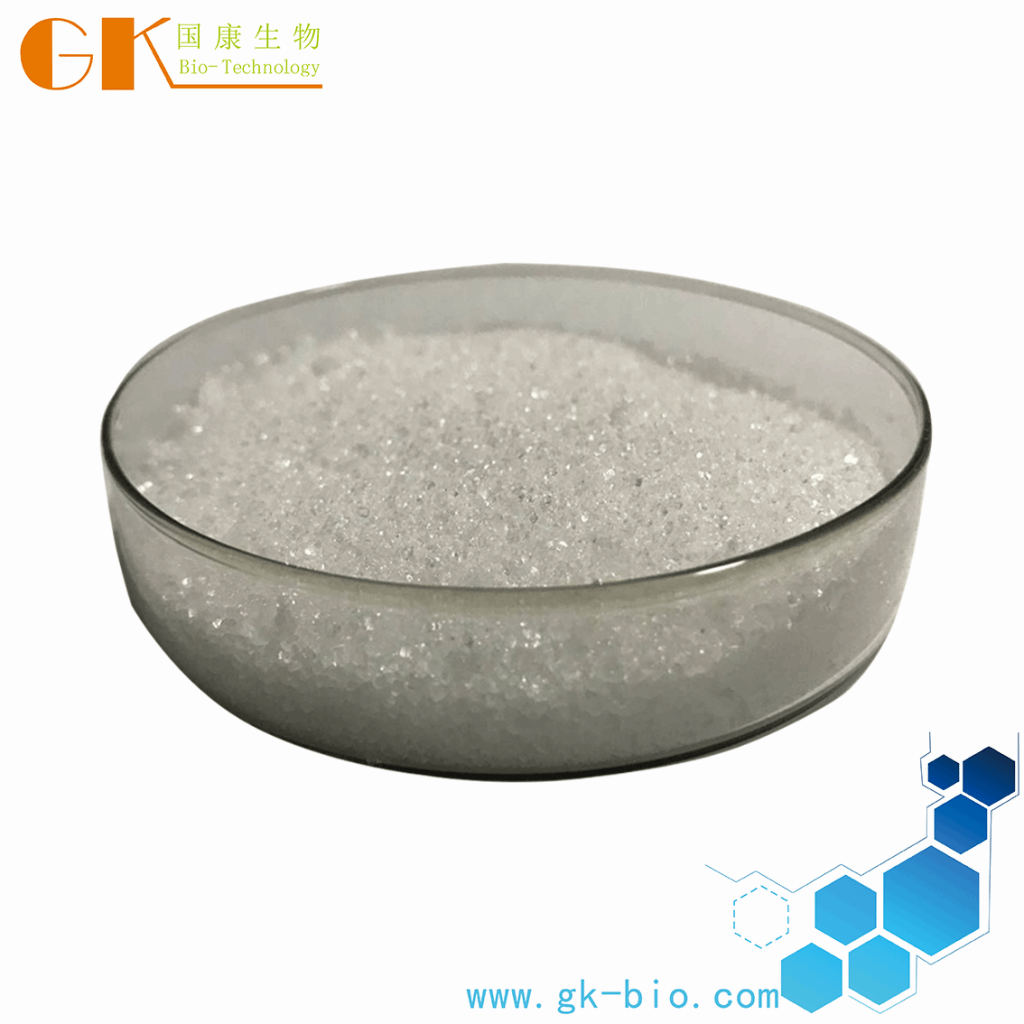
Avodart (Dutasteride), with the chemical formula C27H30F6N2O2 and CAS number 164656-23-9, is a medication primarily prescribed for the treatment of benign prostatic hyperplasia (BPH). It works by inhibiting the conversion of testosterone to dihydrotestosterone (DHT), effectively reducing prostate size and associated symptoms.
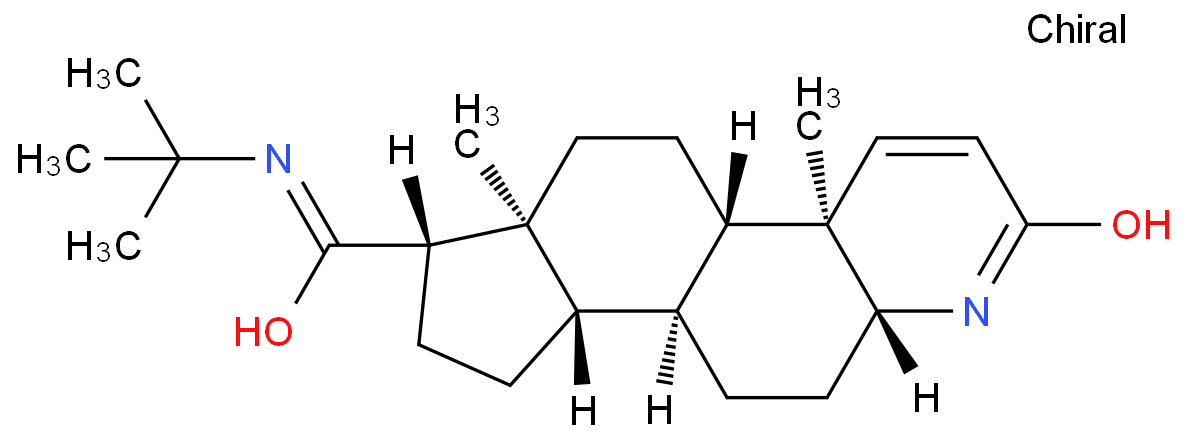
Finasteride, with the chemical formula C23H36N2O2 and CAS number 98319-26-7, is also used to treat BPH and is FDA-approved for androgenetic alopecia (male pattern baldness). Available in different doses, finasteride 1 mg is commonly used for hair loss, while finasteride 5 mg is intended for managing BPH symptoms.
Both Avodart and Finasteride belong to the class of medications known as 5-alpha-reductase inhibitors. While they share similarities in mechanism, Avodart is considered slightly more potent, as it inhibits both type I and type II forms of the enzyme. Finasteride primarily targets the type II enzyme, making its application slightly narrower in scope.


Both compounds are synthesized using methods tailored to optimize their pharmacological properties. Avodart’s process is more complex due to its enhanced potency and broader enzyme inhibition.
Avodart and Finasteride are primarily used to treat benign prostatic hyperplasia (BPH), a condition characterized by the enlargement of the prostate gland. By inhibiting the conversion of testosterone to dihydrotestosterone (DHT), these medications help reduce prostate size, alleviate urinary symptoms, and improve quality of life for patients with BPH.

Avodart (dutasteride) is a potent medication primarily used for the management of benign prostatic hyperplasia (BPH) due to its unique mechanism of action. Unlike Finasteride, which selectively inhibits only the type II 5-alpha-reductase enzyme, Avodart inhibits both type I and type II 5-alpha-reductase enzymes, resulting in a more comprehensive suppression of dihydrotestosterone (DHT) production. Since DHT is a key hormone that contributes to prostate enlargement, this dual inhibition makes Avodart particularly effective in reducing prostate size and alleviating urinary symptoms associated with BPH. Clinical trials have consistently demonstrated that Avodart leads to significant improvements in urinary flow rates and decreases in prostate volume, providing substantial relief for patients with moderate to severe BPH.
Although Avodart is not FDA-approved for treating hair loss, its ability to drastically lower DHT levels has attracted attention for its off-label use in managing androgenetic alopecia (pattern hair loss). DHT is also a major factor in hair follicle miniaturization, which leads to hair thinning and eventual hair loss in genetically predisposed individuals. Studies exploring Avodart’s off-label application have suggested that it may be even more effective than Finasteride in slowing hair loss and promoting regrowth, owing to its broader enzymatic inhibition. However, due to the lack of formal approval and potential for side effects, its use for this purpose remains less common and typically requires a healthcare provider’s close supervision. For individuals seeking alternatives to traditional hair loss treatments, Avodart represents a potential option, albeit one that warrants careful consideration of risks and benefits.
Finasteride 5 mg is a well-established treatment for benign prostatic hyperplasia (BPH), offering effective symptom relief and helping to slow disease progression by addressing the underlying hormonal imbalance. Its targeted inhibition of the type II 5-alpha-reductase enzyme reduces the conversion of testosterone to dihydrotestosterone (DHT), a hormone that contributes to prostate enlargement. This focused mechanism not only improves urinary symptoms but also helps shrink the prostate over time, providing long-term benefits for individuals with BPH. Additionally, at a lower dose of 1 mg, Finasteride is FDA-approved for the treatment of androgenetic alopecia in men, making it a dual-purpose medication for those seeking to manage both prostate health and hair loss simultaneously.
Dutasteride and Finasteride are both medications used to treat BPH, but they have some key differences. The short answer is that both are similar in how well they work for reducing BPH symptoms. Finasteride starts working more quickly, but dutasteride generally shrinks the prostate more. However, this difference didn't change how well the two medications worked for reducing prostate size and BPH symptoms. While they work in similar ways, dutasteride is slightly more potent since it blocks more of the conversion of testosterone to dihydrotestosterone (DHT). Another important difference is that for some reason, only finasteride is FDA- approved for the treatment of androgenetic alopecia while dutasteride is used as an off-label treatment. Finasteride and dutasteride are DHT blockers, which means they block the conversion of testosterone into DHT which causes hair follicles to miniaturize, leading to hair loss. By reducing DHT levels in the body, finasteride and dutasteride help to slow or even reverse the process of follicular miniaturization.
In summary, both Avodart and Finasteride are effective treatments for BPH, with Avodart offering a more potent option due to its broader enzyme inhibition. For hair loss, Finasteride remains the preferred choice due to FDA approval for this application. The selection between the two should consider individual health needs and goals.
| Side Effect |
Dutasteride |
Finasteride |
| Sexual Dysfunction | May cause erectile dysfunction, decreased libido, and ejaculation problems. | May cause erectile dysfunction, decreased libido, and ejaculation problems. |
| Breast Enlargement (Gynecomastia) | Rare but possible side effect. | Rare but possible side effect. |
| Decreased Sperm Count | May temporarily decrease sperm count. | May temporarily decrease sperm count. |
| Fatigue | May cause fatigue in some individuals. | May cause fatigue in some individuals. |
| Dizziness | May cause dizziness in some individuals. | May cause dizziness in some individuals. |
Choosing between Avodart (dutasteride) and Finasteride depends on the specific needs of the individual and the condition's severity. Avodart, with its dual inhibition of type I and type II 5-alpha-reductase, offers a more comprehensive approach to reducing DHT levels in the body. This makes it particularly suitable for individuals with significantly enlarged prostates or when other treatments have been insufficient. Additionally, Avodart's more potent mechanism can result in faster symptom relief for some patients.
On the other hand, Finasteride primarily inhibits type II 5-alpha-reductase, which is sufficient for many cases of benign prostatic hyperplasia (BPH). It is often preferred for patients seeking a simpler, cost-effective option with a well-established safety profile. Finasteride is also widely used for managing androgenic alopecia, making it a versatile choice depending on the desired treatment outcome.
Ultimately, if you are looking for maximum suppression of DHT and more aggressive symptom control, Avodart may be the better option. However, if you prioritize affordability, a more targeted approach, or are treating hair loss, Finasteride might be the ideal choice.
*Consult your healthcare provider to determine which medication aligns best with your specific health needs and treatment goals. They can provide tailored guidance based on your medical history and current condition.
If you're looking to purchase these compounds, Guidechem is your go-to platform for sourcing high-quality raw materials and reliable suppliers. With our extensive global network, we connect you to a wide range of Finasteride suppliers and Avodart suppliers, ensuring you find the right products to meet your specific research or production requirements. Whether you're in pharmaceuticals, food additives, or other industries, Guidechem simplifies the sourcing process, offering verified supplier information, competitive pricing, and seamless communication.
[1] Clinical Pharmacology of 5-alpha Reductase Inhibitors, Journal of Urology.
[2] Management of Benign Prostatic Hyperplasia, by S. E. Abrams.
[3] Hair Loss and DHT, Dermatology Insights.
[4] Dutasteride and Finasteride in BPH Treatment, BPH Care Journal.
 |
 |
|


 2YRS
2YRS