Guideview >  Articles >  Pharmaceutical > D Biotin vs Biotin: What's the Difference?

D Biotin vs Biotin: What's the Difference?

The main difference between D Biotin vs Biotin is that D-Biotin is a specific isomer of Biotin, often referred to as the biologically active form. Regular Biotin, usually found in supplements, contains both isomers, but D-Biotin is considered the most effective for absorption. Ramsey2 MIN READDecember 16, 2024

D Biotin vs Biotin: What's the Difference?


D Biotin vs Biotin: What's the Difference?

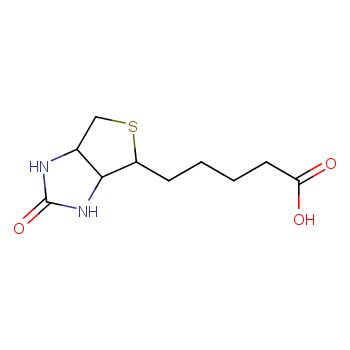
D-Biotin, with the chemical formula C10H16N2O3S and CAS number 58-85-5, is the naturally occurring and biologically active form of biotin, a water-soluble B vitamin also known as vitamin H or vitamin B7.


Biotin, also with the chemical formula C10H16N2O3S and CAS number 58-85-5, is a general term often used interchangeably with d-biotin. It refers to the same vitamin, but may not always explicitly specify the naturally occurring form.


D-biotin and biotin are essentially the same substance. The key difference between d biotin vs biotin is primarily in the labeling. The “d” prefix specifies the natural, biologically active isomer (stereoisomer) of biotin. In most cases, whether the label says “biotin” or “d-biotin,” the supplement contains the d-biotin form.


Synthesis of D-Biotin and Biotin

Elemental Composition and Structural Overview

  • D-Biotin/Biotin is composed of carbon (C), hydrogen (H), nitrogen (N), oxygen (O), and sulfur (S). Its structure consists of a ureido ring fused with a tetrahydrothiophene ring. The “d” designation refers to the specific spatial arrangement of atoms in the molecule (stereochemistry), which is crucial for its biological activity.
D-Biotin/Biotin

Synthesis Methods

  • D-Biotin can be obtained through both chemical synthesis and extraction from natural sources such as yeast. The chemical synthesis of D-Biotin is a complex multi-step process that requires precise control of reaction conditions to ensure the correct stereochemistry of the molecule. This process typically involves the construction of the biotin structure through various organic reactions, including the formation of carbon-carbon bonds and the introduction of functional groups.

  • Because the biotin used in supplements is almost always d-biotin, the term “biotin” on a label generally implies the d-form. Therefore, the synthesis method is the same as for d-biotin. On the other hand, extraction from natural sources like yeast involves isolating D-Biotin from biological systems where it is naturally produced, although this method is often less efficient and more costly compared to synthetic production.

The terms d biotin vs biotin refer to the same molecule. The synthesis is the same, the distinction is primarily in labeling to specify the naturally occurring isomer.


Applications: D-Biotin vs Biotin

Both d-biotin and biotin (when referring to the d-form used in supplements, which is almost always the case) share identical applications due to their identical biological activity. They are primarily known for their roles in promoting health and wellness.

Applications: D-Biotin vs Biotin

D-Biotin/Biotin for Health and Wellness (Detailed)

Biotin, whether labeled as “d-biotin” or simply “biotin”, is a vital nutrient involved in numerous essential bodily functions. Its primary role is as a cofactor for carboxylase enzymes, which facilitate critical metabolic processes, including the conversion of carbohydrates, fats, and proteins into energy. This makes biotin indispensable for efficient energy production, as it helps in the breakdown and utilization of macronutrients from food. Additionally, biotin supports healthy skin, hair, and nails, contributing to overall well-being. Its involvement in gene expression and cellular processes further underscores its importance in maintaining metabolic balance and bodily functions. More specifically:

  • Carbohydrate Metabolism: Biotin assists enzymes in the breakdown of glucose (sugar) for energy production.
  • Fat Metabolism: Biotin plays a role in the synthesis of fatty acids and the breakdown of certain fatty acids.
  • Protein Metabolism: Biotin is involved in the metabolism of amino acids, the building blocks of proteins.


Beyond its metabolic roles, biotin is widely recognized for its benefits to hair, skin, and nails. Biotin deficiency can manifest as hair loss (thinning hair or even alopecia), skin rashes (often around the mouth, nose, and eyes), and brittle or splitting nails. Therefore, biotin supplementation is frequently recommended to address these aesthetic concerns and support overall integumentary health.


Here's a more detailed breakdown of biotin’s applications:

  • Hair Health: Biotin is often included in hair growth supplements and shampoos due to its purported ability to strengthen hair and promote growth. While evidence supporting its efficacy in individuals *without* a biotin deficiency is somewhat limited, it is essential for hair growth and maintenance.
  • Skin Health: Biotin supports skin cell regeneration and can help alleviate skin conditions associated with biotin deficiency, such as seborrheic dermatitis.
  • Nail Health: Biotin can improve nail thickness and reduce brittleness in individuals with brittle nails.
  • Pregnancy and Breastfeeding: Biotin needs increase during pregnancy and breastfeeding, so it's often included in prenatal and postnatal vitamins. It plays a role in embryonic growth and development.
  • Managing Diabetes: Some research suggests biotin may help improve blood sugar control in individuals with type 2 diabetes, although more studies are needed.


It's important to note that while biotin supplements are widely available, they are generally only effective in addressing issues related to an actual biotin deficiency. If you are experiencing hair loss, skin problems, or brittle nails, it's crucial to consult a healthcare professional to determine the underlying cause, as other factors besides biotin deficiency can contribute to these issues.


Disadvantages and Considerations of Biotin vs D Biotin

Consideration

D-Biotin/Biotin

Potential Interactions High doses of biotin can interfere with certain lab tests (e.g., thyroid function tests).
Side Effects Generally well-tolerated; rare side effects may include mild digestive upset.


If you're looking to purchase these compounds, Guidechem is your go-to platform for sourcing high-quality raw materials and reliable suppliers. With our extensive global network, we connect you to a wide range of Biotin suppliers, ensuring you find the right products to meet your specific research or production requirements. Whether you're in pharmaceuticals, food additives, or other industries, Guidechem simplifies the sourcing process, offering verified supplier information, competitive pricing, and seamless communication.


References

[1] National Institutes of Health (NIH), Office of Dietary Supplements. Biotin Fact Sheet for Health Professionals.
[2] Said, H. M. (2012). Biotin: the forgotten vitamin. The American journal of clinical nutrition, 95(1), 1-2.
[3] Zempleni, J., & Mock, D. M. (1999). Biotin biochemistry and human requirements. Journal of the American College of Nutrition, 18(6), 600-608.
[4] Advanced Nutrition and Human Metabolism by Sareen S. Gropper, Jack L. Smith, James L. Gropper


Related News
  • D Biotin vs Biotin: What's the Difference?
    D Biotin vs Biotin: What's the Difference? Biotin Comparison The main difference between D Biotin vs Biotin is that D-Biotin is a specific isomer of Biotin, often referred to as the biologically active form. Regular Biotin, usually found in supplements, contains both isomers, but D-Biotin is considered the most effective for absorption.