
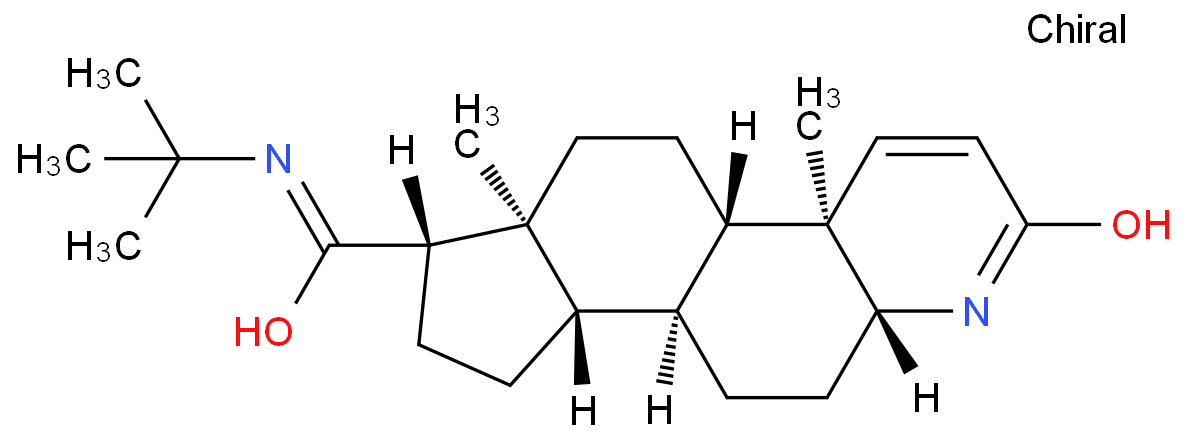
Finasteride, with the chemical formula C23H36N2O2 and CAS number 98319-26-7, is a medication commonly used to treat conditions related to hair loss and benign prostatic hyperplasia (BPH). Finasteride works by inhibiting the enzyme 5-alpha reductase, which plays a key role in converting testosterone to dihydrotestosterone (DHT), a hormone responsible for hair loss and prostate enlargement.
Finasteride 1mg is primarily used for the treatment of androgenetic alopecia (male pattern baldness), while the 5mg dose is prescribed for the management of benign prostatic hyperplasia (BPH). The 1mg dose for hair loss helps reduce DHT levels in the scalp, promoting hair growth and preventing further hair thinning. The 5mg dose for BPH works similarly but is generally focused on reducing prostate size and relieving urinary symptoms associated with BPH.
The primary difference between the finasteride 1mg and 5mg doses lies in their specific medical applications. While both doses target the inhibition of DHT, the 1 mg finasteride and 5mg finasteride dosage levels cater to distinct conditions—hair loss versus prostate issues. The 5mg dose is most effective in managing prostate size and alleviating urinary symptoms, while the 1mg dose is more effective in addressing hair loss without affecting prostate size.

The synthesis of finasteride for both 1mg and 5mg formulations generally follows the same fundamental principles, although slight variations in reaction conditions or purification steps may be necessary to achieve the desired dosage strength.
Finasteride plays a significant role in treating conditions related to excessive DHT levels in both the scalp and prostate. The two primary applications of finasteride are in the treatment of male pattern baldness and benign prostatic hyperplasia. The 1 mg finasteride vs 5mg finasteride dosage differences cater to the distinct therapeutic needs of individuals.

At the 1mg dose, finasteride is commonly prescribed for the treatment of male pattern baldness, also known as androgenetic alopecia. The medication works by inhibiting the production of DHT, a hormone that shrinks hair follicles, leading to hair thinning and eventual hair loss. By reducing DHT levels in the scalp, finasteride 1mg helps promote hair regrowth and slow the progression of hair thinning.
The effectiveness of finasteride 1mg in treating hair loss has been well-documented through clinical studies, with most users experiencing noticeable improvements in hair density and thickness. The medication is taken once daily, and its benefits are typically seen after several months of consistent use. While side effects are rare, some individuals may experience sexual side effects such as decreased libido or erectile dysfunction.
Finasteride at a 5mg dose is primarily prescribed to manage benign prostatic hyperplasia (BPH), a non-cancerous enlargement of the prostate gland that affects many older men. The 5mg dose works by inhibiting the enzyme 5-alpha-reductase, which converts testosterone into dihydrotestosterone (DHT). DHT is a key hormone responsible for prostate growth, and by lowering DHT levels, finasteride helps shrink the enlarged prostate. This reduction in size improves urinary flow, alleviates common BPH symptoms such as frequent urination, difficulty starting urination, and urinary retention, which can significantly improve the quality of life for individuals affected by this condition.
Typically, finasteride 5mg is taken once daily, either alone or in combination with other medications aimed at treating BPH symptoms. Although its effects may take several months to become apparent, it can be an effective long-term treatment option. In addition to symptom relief, finasteride 5mg can reduce the need for prostate surgery in some patients, as it can manage the condition without the need for more invasive interventions. However, finasteride is not without its potential side effects, with sexual dysfunction being one of the most common. Side effects such as decreased libido, erectile dysfunction, and reduced ejaculate volume are possible, but they often resolve after discontinuing the medication. As with any treatment, patients should discuss the risks and benefits with their healthcare provider to ensure it aligns with their individual health needs.
In rare cases, finasteride 5mg is also used off-label to treat male pattern baldness. However, evidence suggests that the 1mg dose is equally effective for hair loss, and increasing the dose to 5mg does not offer additional benefits. As a result, the 1mg dose remains the standard treatment for alopecia, with the 5mg dose reserved for prostate-related concerns.
The question of finasteride 1 mg vs 5 mg was answered above. In conclusion, the key difference between finasteride 1mg and 5mg lies in their specific applications. While both doses target the reduction of DHT, the 1mg dose is primarily used for male pattern baldness, and the 5mg dose is used for managing benign prostatic hyperplasia. The 1mg dose is more expensive for individuals seeking hair restoration, whereas the 5mg dose is often covered by insurance for prostate-related issues. It’s important to use finasteride as directed by a healthcare provider to achieve the best results for your specific condition.
| Side Effect |
Finasteride 1mg |
Finasteride 5mg |
|---|---|---|
| Sexual Dysfunction | Rare, but can include decreased libido or erectile dysfunction | More common, including sexual dysfunction and reduced sperm count |
| Hormonal Imbalance | Rare, but may cause breast tenderness or enlargement | Possible, especially with long-term use |
| Headaches | Occasional, may cause mild headaches | Occasional, similar frequency as 1mg dose |
| Allergic Reactions | Very rare, may cause rash, itching, or swelling | Very rare, but can cause similar allergic responses |
| Impact on Mood | Rare, but may cause depression or anxiety | Possible, with higher frequency in 5mg dose |
When choosing between Finasteride 1mg and 5mg, it's important to consider your specific health needs and the severity of the condition being treated. Finasteride 1mg is primarily used for male pattern baldness and is well-suited for those who are experiencing early or moderate hair loss. Its lower dosage typically results in fewer side effects and is ideal for individuals looking for a less aggressive treatment. It is the preferred option for those seeking hair regrowth with minimal disruption to their daily routine.
In contrast, Finasteride 5mg is commonly prescribed for the treatment of benign prostatic hyperplasia (BPH) and is typically used when the prostate is significantly enlarged. This higher dosage may lead to more pronounced effects, including a higher potential for side effects such as sexual dysfunction or mood changes. While it is effective for prostate health, it may not be necessary for those with milder hair loss concerns.
Ultimately, if you're focused on hair restoration and have mild to moderate hair loss, Finasteride 1mg is likely the superior choice, as it provides effective results with fewer risks. However, if you have significant prostate enlargement and need a more robust solution, Finasteride 5mg may be the better option, though it comes with a higher risk of side effects that should be carefully monitored.
*For optimal results and to ensure that you are taking the appropriate form and dosage, it is highly recommended to follow the guidance of your healthcare provider. They can help you determine the most suitable form of Finasteride based on your specific health requirements and any underlying medical conditions.
If you're looking to purchase these compounds, Guidechem is your go-to platform for sourcing high-quality raw materials and reliable suppliers. With our extensive global network, we connect you to a wide range of Finasteride suppliers, ensuring you find the right products to meet your specific research or production requirements. Whether you're in pharmaceuticals, food additives, or other industries, Guidechem simplifies the sourcing process, offering verified supplier information, competitive pricing, and seamless communication.
[1]Finasteride and its Role in Treating Male Pattern Baldness by D. P. Johnson.
[2]The Impact of Finasteride on Prostate Health by J. M. Harrison.
[3]Comparing Doses of Finasteride for Hair Loss and Prostate Disorders in Journal of Urology.
[4]Side Effects and Efficacy of Finasteride in Clinical Trials in American Journal of Medicine.
 |
 |
 |



 1YR
1YR

