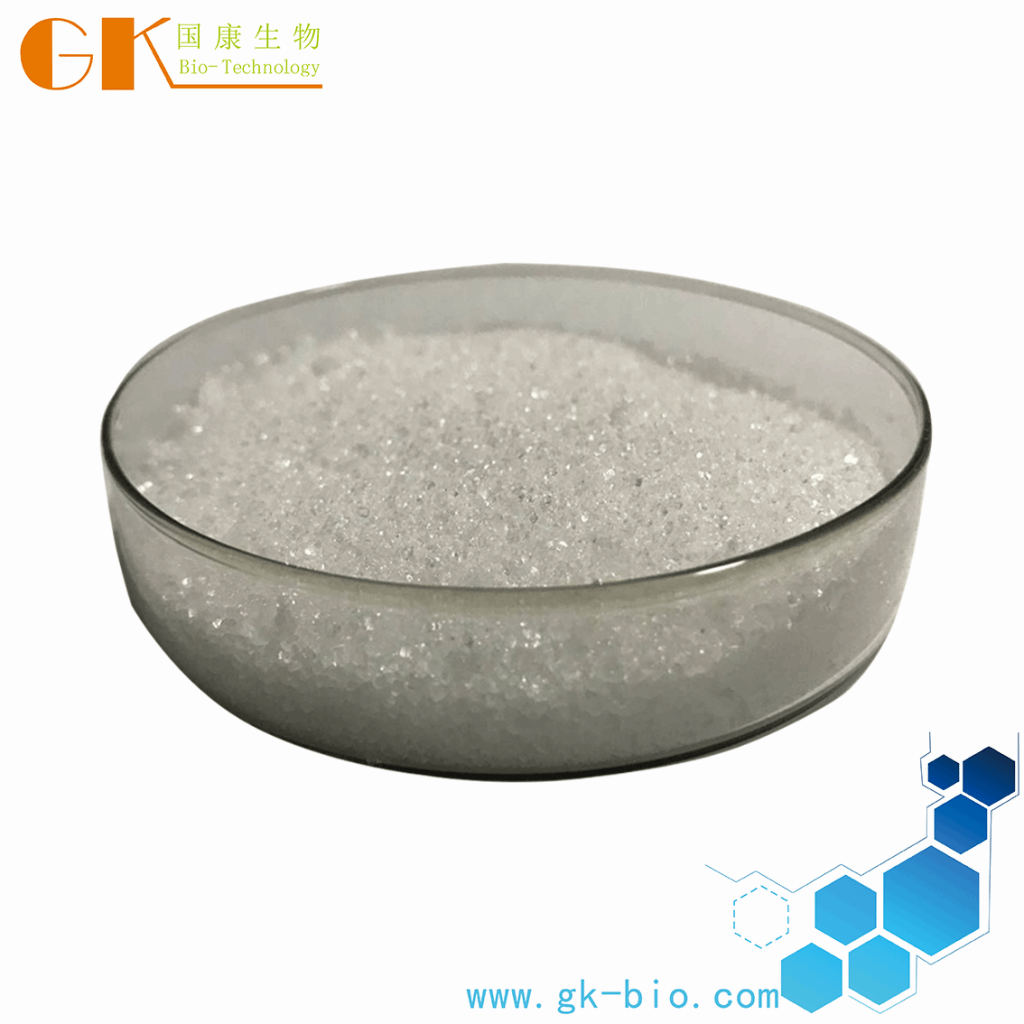
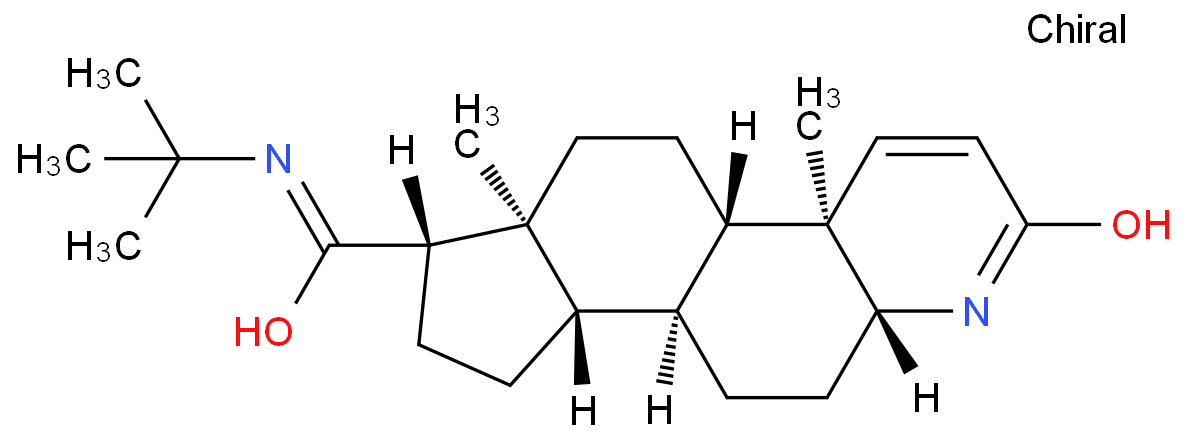
Finasteride, with the chemical formula C23H36N2O2 and CAS number 98319-26-7, is a well-known 5-alpha reductase inhibitor primarily used to treat benign prostatic hyperplasia (BPH) and male pattern baldness. It works by inhibiting the conversion of testosterone to dihydrotestosterone (DHT), a hormone responsible for prostate growth and hair loss.
Dutasteride, with the chemical formula C27H30F6N2O2 and CAS number 164656-23-9, is another 5-alpha reductase inhibitor used for the treatment of BPH. It also blocks the conversion of testosterone to DHT but is more potent than finasteride as it inhibits both type 1 and type 2 5-alpha reductase enzymes, while finasteride only inhibits type 2.
Both finasteride and dutasteride are effective in treating the symptoms of BPH by reducing prostate size and improving urinary flow. However, they differ in their strength and scope of action, with dutasteride potentially offering faster and more significant reductions in prostate size due to its dual enzyme inhibition. Nonetheless, this increased potency can come with a slightly higher risk of side effects.


The key difference in their synthesis lies in the inhibition of 5-alpha reductase types. Finasteride’s selective inhibition targets only type 2, while dutasteride’s broader inhibition affects both types, making it a more potent drug in some cases. This also affects the way they are processed in the body, with dutasteride often achieving faster and more pronounced results.
Both finasteride and dutasteride are commonly prescribed for the treatment of benign prostatic hyperplasia (BPH), a condition characterized by the enlargement of the prostate, which causes urinary difficulties. These two medications work by inhibiting the enzyme 5-alpha reductase, thus reducing the production of DHT, a hormone that contributes to prostate growth.

Finasteride is primarily used to treat BPH in men by reducing prostate size, which helps alleviate symptoms like frequent urination, especially at night, and difficulty starting or maintaining urination. The medication is taken orally and works by lowering the levels of DHT, which in turn shrinks the prostate gland. In addition to treating BPH, finasteride is also FDA-approved for treating male pattern baldness (androgenic alopecia) at lower doses, making it a versatile treatment for men concerned with both prostate health and hair loss.
For female hair loss, finasteride is sometimes prescribed off-label, although its use in women is limited due to concerns about potential side effects, especially during pregnancy. While topical dutasteride vs finasteride for hair loss is a topic of ongoing research, dutasteride is generally not the first choice for treating male pattern baldness. Nevertheless, it may be prescribed off-label for hair loss, particularly in cases where finasteride has not been effective.

Dutasteride is a medication commonly used to treat benign prostatic hyperplasia (BPH), particularly in cases where the symptoms are more severe or when other treatments, like finasteride, have not been effective. Similar to finasteride, dutasteride works by inhibiting the 5-alpha reductase enzyme, which is responsible for converting testosterone into dihydrotestosterone (DHT), a hormone that contributes to prostate enlargement. However, what sets dutasteride apart is its ability to block both type 1 and type 2 forms of the enzyme, whereas finasteride primarily targets only the type 2 enzyme. This broader inhibition results in a more potent and faster reduction in prostate size, providing relief for men suffering from more significant BPH symptoms. For patients dealing with substantial urinary issues or those who require a stronger intervention, dutasteride can offer a more aggressive and effective treatment option.
Both finasteride and dutasteride can cause sexual side effects such as reduced libido, erectile dysfunction, and decreased ejaculate volume. However, some studies suggest that dutasteride may carry a slightly higher risk of these side effects due to its stronger inhibitory effect on DHT.
Some may ask about dutasteride versus finasteride for female hair loss. When considering dutasteride vs finasteride for female hair loss, both medications inhibit the conversion of testosterone to dihydrotestosterone (DHT), but dutasteride is more potent, blocking both type I and type II 5-alpha reductase enzymes. While finasteride is more commonly prescribed for men, dutasteride is sometimes considered for women with severe hair loss, though its use is less established.
In conclusion, both finasteride and dutasteride are effective treatments for BPH, with each having distinct advantages. Finasteride is commonly used for milder symptoms and has a long track record for treating both BPH and hair loss. On the other hand, dutasteride offers a more potent alternative for patients with more severe BPH, though it may carry a higher risk of side effects. The choice between these two drugs depends on the severity of BPH symptoms, patient tolerance, and any potential concerns about side effects.
| Side Effect |
Finasteride |
Dutasteride |
|---|---|---|
| Sexual Dysfunction | Less common, but can occur in some patients | More common, possibly due to stronger DHT inhibition |
| Decreased Libido | Rare, but can occur in some patients | Possible, due to more potent inhibition of DHT |
| Breast Tenderness or Enlargement | Rare, but can occur | Rare, but more likely with long-term use |
| Hair Loss (initial phase) | Can cause initial shedding before hair regrowth | May cause initial shedding, though potentially faster regrowth |
| Risk for Women (Pregnancy) | Contraindicated in women who are pregnant or may become pregnant | Contraindicated in women who are pregnant or may become pregnant |
When choosing between Finasteride and Dutasteride for the treatment of benign prostatic hyperplasia (BPH), it’s important to consider the severity of your symptoms and the potential side effects. Finasteride is generally a good choice for men with mild to moderate BPH symptoms. It is well-tolerated by most individuals and can effectively reduce prostate size and improve urinary flow. Additionally, finasteride has a long history of use and is often the first-line treatment for BPH. However, the effects may take longer to be noticeable, and some men may experience side effects such as sexual dysfunction.
In contrast, Dutasteride may be a better option for those with more severe BPH symptoms, as it is a more potent medication that inhibits both type 1 and type 2 5-alpha reductase enzymes. This broader mechanism of action allows it to reduce prostate size more quickly and effectively, leading to faster symptom relief. However, its increased potency may also increase the likelihood of side effects, such as sexual dysfunction and breast tenderness. Due to its higher efficacy, dutasteride is often used in more advanced cases of BPH or when finasteride has not provided satisfactory results.
Ultimately, the decision between finasteride and dutasteride depends on individual health needs. If you are looking for a treatment that offers effective symptom relief with fewer side effects, finasteride may be the superior choice. However, if you have more severe symptoms and need faster and more significant prostate reduction, dutasteride may be the better option.
*It is important to consult with your healthcare provider to determine which medication is best for your specific situation, considering factors such as symptom severity, underlying health conditions, and potential side effects.
If you're looking to purchase these compounds, Guidechem is your go-to platform for sourcing high-quality raw materials and reliable suppliers. With our extensive global network, we connect you to a wide range of Finasteride suppliers and Dutasteride suppliers, ensuring you find the right products to meet your specific research or production requirements. Whether you're in pharmaceuticals, food additives, or other industries, Guidechem simplifies the sourcing process, offering verified supplier information, competitive pricing, and seamless communication.
[1]Pharmacology of Finasteride and Dutasteride in the Treatment of Benign Prostatic Hyperplasia by T. A. Smith.
[2]Comparison of Finasteride and Dutasteride in the Management of Benign Prostatic Hyperplasia in Journal of Urology.
[3]Effects of 5-Alpha Reductase Inhibitors on Prostate Volume and Urinary Symptoms in Urology Research.
[4]Long-Term Efficacy and Safety of Dutasteride in Benign Prostatic Hyperplasia in Prostate Cancer and Prostatic Diseases.
 |
 |
 |


 2YRS
2YRS