Flomax, is a brand name for the drug tamsulosin, with the chemical formula C20H28N2O5S and CAS number 106133-20-4, is commonly prescribed to treat the symptoms of benign prostatic hyperplasia (BPH), particularly to alleviate urinary issues. It belongs to the class of drugs known as alpha-1 blockers, which work by relaxing the muscles in the prostate and bladder to improve urine flow.
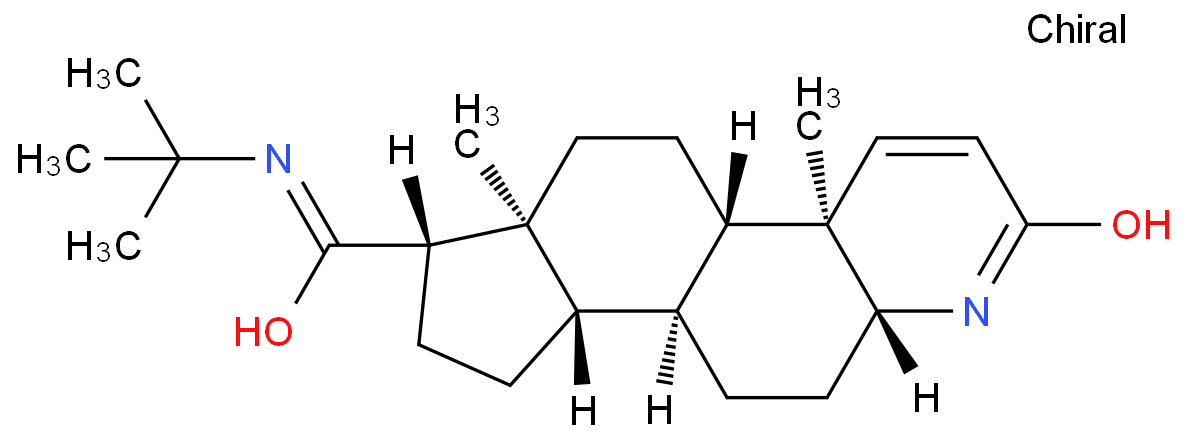
Finasteride, with the chemical formula C23H36N2O2 and CAS number 98319-26-7, is a 5-alpha reductase inhibitor primarily used to treat BPH and male-pattern baldness. By blocking the enzyme responsible for converting testosterone into dihydrotestosterone (DHT), Finasteride reduces the size of the prostate and alleviates symptoms associated with BPH.
Both Flomax and Finasteride are FDA-approved medications for managing BPH, though they operate through different mechanisms. Flomax is a selective alpha-blocker that targets the urinary tract to improve urine flow, whereas Finasteride works by reducing prostate size. These treatments are often prescribed based on the patient's symptoms, the size of the prostate, and the severity of BPH.


Both Flomax and Finasteride are synthetically produced, but they differ in the complexity of their structures and the processes used to create them. While Flomax is a selective alpha-blocker, Finasteride works by directly inhibiting the enzyme responsible for prostate enlargement. These structural and synthesis differences highlight their distinct mechanisms of action in the treatment of BPH.
Both Flomax and Finasteride are widely prescribed for the treatment of benign prostatic hyperplasia (BPH), a condition that affects many older men. While both drugs address urinary symptoms associated with BPH, their mechanisms and specific applications differ, offering patients a range of options based on their needs and health conditions.

Flomax is often prescribed as a first-line treatment for BPH symptoms, particularly when the primary concern is urinary difficulty. As an alpha-1 blocker, Flomax works by relaxing the muscles in the bladder and prostate, making it easier to urinate. This can result in immediate symptomatic relief, particularly for those with moderate to severe urinary issues, such as a weak urine stream or frequent urination.
Flomax is especially effective for people who need rapid relief from urinary symptoms without directly affecting the size of the prostate. As it does not shrink the prostate, it is generally used in combination with other treatments, like Finasteride, for those with more severe BPH. It is often chosen for patients who need a non-invasive solution to improve urine flow without surgery.
Unlike Flomax, Finasteride is used for its ability to shrink the prostate over time. By inhibiting the 5-alpha reductase enzyme, Finasteride reduces the production of dihydrotestosterone (DHT), which in turn decreases prostate size. This can help alleviate long-term symptoms of BPH and prevent further prostate enlargement.
Finasteride is often recommended for men with significantly enlarged prostates or those who need to prevent future complications, such as urinary retention or the need for surgery. It may take several months to see noticeable improvements, but its effects are long-lasting, making it a valuable option for patients with advanced BPH or those looking for a more permanent solution.
In many cases, Flomax and Finasteride are used together to treat BPH symptoms. Flomax provides immediate relief by improving urine flow, while Finasteride works slowly over time to reduce prostate size. This combination therapy can be highly effective for patients who need both short-term symptom relief and long-term prostate management. Doctors will often recommend this approach for individuals with moderate to severe BPH symptoms, particularly those with a significantly enlarged prostate.
While both drugs are generally well-tolerated, there are some considerations to keep in mind. Flomax may cause side effects like dizziness, especially when standing up quickly, due to its alpha-blocking action. It is also important to note that Flomax can cause allergic reactions in rare cases, particularly in individuals with sulfa allergies. On the other hand, Finasteride can lead to sexual side effects, such as decreased libido or erectile dysfunction, although these effects are not experienced by all users.
In conclusion, both Flomax and Finasteride offer distinct advantages for the treatment of BPH. Flomax provides immediate relief for urinary symptoms by relaxing the bladder and prostate muscles, while Finasteride targets the root cause of BPH by reducing prostate size over time. The decision between these two medications often depends on the severity of the condition, the patient’s preference, and the presence of any contraindications or allergies. In many cases, a combination of both drugs can provide the most effective treatment strategy.
| Side Effect |
Flomax |
Finasteride |
|---|---|---|
| Digestive Issues | Rare, can cause nausea or upset stomach | Possible, may cause nausea or abdominal discomfort |
| Sexual Side Effects | Possible, may cause decreased libido or erectile dysfunction | More common, including erectile dysfunction and reduced sexual drive |
| Low Blood Pressure | Common, especially when standing up quickly (orthostatic hypotension) | Rare, unlikely to cause significant blood pressure changes |
| Impact on Mood | Unlikely, but some may experience dizziness or fatigue | Possible, with some users reporting mood swings or depression |
| Allergic Reactions | Rare, including rash or swelling | Rare, can include rash or breast tenderness |
When deciding between Flomax and Finasteride, it is essential to consider the underlying condition you are addressing. Flomax is typically used to manage symptoms of benign prostatic hyperplasia (BPH), helping to relieve urinary issues such as frequent urination, difficulty starting urination, or weak urine flow. It works by relaxing the muscles in the prostate and bladder neck, making it easier to urinate. While effective for symptom relief, Flomax may cause side effects like dizziness, low blood pressure, and sexual dysfunction in some users.
On the other hand, Finasteride works by inhibiting the enzyme 5-alpha reductase, which reduces the conversion of testosterone to dihydrotestosterone (DHT). This is particularly effective in treating BPH and male pattern baldness. However, Finasteride has a greater potential for sexual side effects, including decreased libido and erectile dysfunction, which can deter some users. While its systemic effects can provide long-term benefits for hair restoration, the risk of mood changes and other side effects may make it less appealing for some individuals.
Ultimately, if rapid relief from urinary symptoms is your priority, Flomax may be the better choice. But for those with a larger prostate or those seeking a long-term solution to BPH, finasteride could provide a more effective option. It is essential to consult with a healthcare provider to determine which medication is most suitable for your condition and health history.
*For optimal results and to ensure you are taking the appropriate form and dosage, it is highly recommended to follow the guidance of your healthcare provider. They can help you determine the most suitable treatment based on your specific health requirements and any underlying medical conditions.
If you're looking to purchase these compounds, Guidechem is your go-to platform for sourcing high-quality raw materials and reliable suppliers. With our extensive global network, we connect you to a wide range of Finasteride suppliers and Flomax suppliers, ensuring you find the right products to meet your specific research or production requirements. Whether you're in pharmaceuticals, food additives, or other industries, Guidechem simplifies the sourcing process, offering verified supplier information, competitive pricing, and seamless communication.
[1]Understanding Benign Prostatic Hyperplasia: Clinical Guidelines by J. A. Smith.
[2]Current Treatments for Benign Prostatic Hyperplasia by P. R. Mitchell.
[3]Pharmacological Treatments for BPH: Flomax and Finasteride in The Journal of Urology.
[4]Advances in the Management of Benign Prostatic Hyperplasia in Clinical Medicine.
 |
 |
 |


 2YRS
2YRS