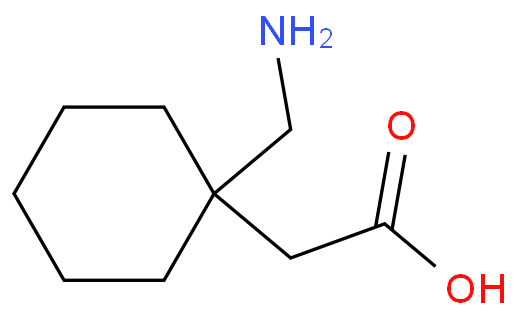
Gabapentin, with the chemical formula C9H17NO2 and CAS number 60142-96-3, is an anticonvulsant medication primarily used for treating nerve pain and certain seizure disorders. It works by affecting the central nervous system, modulating nerve signals to reduce pain and seizure activity.
Percocet, with the chemical formula C26H30N2O6 and CAS number 330988-72-2, is a combination of the opioid oxycodone and acetaminophen (paracetamol). It is commonly prescribed for moderate to severe pain management, especially when other pain medications are not effective. Percocet is used for short-term pain relief but is associated with a higher risk of dependence and addiction due to the oxycodone component.
Gabapentin and Percocet are both used for pain management but differ significantly in their mechanisms of action, uses, and side effects. Gabapentin is a non-opioid medication commonly used for nerve pain and seizures, whereas Percocet is a combination of an opioid and an analgesic, typically used for severe pain.


Both gabapentin and Percocet require intricate synthetic processes, though they differ in the compounds they are based on—gabapentin being a synthetic anticonvulsant and Percocet a combination of an opioid and a non-opioid analgesic.
Both gabapentin and Percocet are commonly prescribed for pain management, yet they differ widely in their mechanisms of action, medical uses, and overall therapeutic profiles. Gabapentin, a non-opioid medication, is favored for managing nerve pain and certain neurological conditions, while Percocet, a powerful opioid analgesic, is prescribed for acute, moderate to severe pain relief. Understanding the differences in their applications is crucial for both medical professionals and patients to choose the most appropriate treatment for their specific condition.

Gabapentin is widely recognized for its efficacy in treating neuropathic pain, a type of pain that results from damage to the nerves. Conditions like diabetic neuropathy, postherpetic neuralgia (pain following shingles), and fibromyalgia often cause this type of pain, which can be described as burning, stabbing, or shooting sensations. Gabapentin works by influencing the way the nerves transmit pain signals to the brain, effectively reducing these discomforting sensations. This makes it an essential tool for individuals with chronic nerve pain who require long-term management.
Beyond its use in pain management, gabapentin is also indicated for the treatment of certain types of seizures. By modulating the electrical activity in the brain, gabapentin helps prevent abnormal neural firing, making it effective for conditions such as epilepsy and generalized seizure disorders. This dual function—treating both pain and seizures—adds to gabapentin's versatility in clinical settings.
Gabapentin is non-opioid, which provides a significant advantage over many pain-relieving medications, especially in terms of safety for long-term use. It is often prescribed for individuals with a history of substance abuse or those who are at risk of developing opioid dependence. Moreover, it is considered a safer alternative for pain management in the elderly population, who are more susceptible to the side effects of stronger medications. Additionally, gabapentin is increasingly prescribed for anxiety disorders and restless leg syndrome, thanks to its sedative properties that help to calm the nervous system.
Despite its many benefits, gabapentin must be used with caution, as abrupt discontinuation can lead to withdrawal symptoms like insomnia, nausea, and anxiety. Therefore, it is critical that gabapentin doses are tapered under medical supervision to avoid potential withdrawal reactions.
Percocet, a combination of oxycodone (an opioid) and acetaminophen (a non-opioid analgesic), is prescribed primarily for short-term relief of moderate to severe pain. Its potency makes it suitable for patients recovering from surgery, managing injury-related pain, or experiencing pain due to advanced cancer. The oxycodone component binds to opioid receptors in the brain and spinal cord, altering the body’s perception of pain and significantly reducing discomfort. Acetaminophen, on the other hand, works by inhibiting the production of prostaglandins—chemicals in the body that cause pain and inflammation—thus complementing the pain-relieving effects of oxycodone.
Percocet’s strong analgesic effects make it a highly effective option for conditions that require immediate, powerful pain relief. It is often used in acute situations, such as after surgical procedures like joint replacements or in the management of traumatic injuries where pain is intense and needs to be controlled quickly and efficiently.
However, the use of Percocet comes with significant risks. The opioid component, oxycodone, carries a potential for addiction and physical dependence, especially when used over prolonged periods. The risk of overdose is another serious concern, as the body can quickly build tolerance to the drug, prompting patients to require higher doses to achieve the same level of pain relief. Additionally, long-term use of opioids can lead to a range of adverse side effects, including respiratory depression, gastrointestinal issues, and cognitive impairments. For this reason, Percocet is generally prescribed for short durations and for individuals who have not responded to other, less potent forms of pain management.
Careful monitoring and adherence to prescribed dosages are crucial to minimizing the risk of addiction, overdose, and other serious side effects. In some cases, healthcare providers may recommend opioid-sparing strategies or incorporate alternative pain management methods, especially for patients with a history of substance abuse or those at risk of developing opioid use disorder.
In conclusion, gabapentin is a preferred option for nerve pain and seizure management, offering a non-opioid solution with minimal risk of dependence. On the other hand, Percocet is a potent option for severe pain relief, especially post-surgery or due to cancer, but it comes with a significant risk of addiction and side effects. The choice between gabapentin and Percocet largely depends on the nature and severity of the pain, as well as the patient's medical history and risk factors for addiction.
| Side Effect |
Gabapentin |
Percocet |
|---|---|---|
| Dizziness | Common, may cause drowsiness or dizziness | Common, can cause drowsiness and dizziness |
| Addiction | Rare, generally non-addictive | High potential for addiction due to oxycodone |
| Withdrawal Symptoms | Possible, especially if stopped abruptly | Possible, especially with prolonged use |
| Gastrointestinal Issues | Uncommon, but may cause nausea or constipation | Common, can cause nausea, constipation, or liver damage |
| Respiratory Depression | Unlikely | Possible, especially at high doses |
When choosing between Gabapentin and Percocet for your health, it's important to consider the nature of your pain and any potential for dependency or side effects. Gabapentin is often the preferred option for individuals suffering from nerve pain, seizures, or anxiety disorders, as it is non-addictive and works by modulating nerve activity. It is also gentler on the body compared to opioids, making it a safer long-term treatment for chronic conditions. If you're looking for a solution to nerve pain or conditions like fibromyalgia, gabapentin may be the best option.
In contrast, Percocet is ideal for managing acute pain from injuries, surgeries, or cancer-related pain, where strong, fast-acting relief is required. While it is effective for severe pain, the opioid component (oxycodone) poses a higher risk of addiction, tolerance, and overdose. For short-term use, Percocet is highly effective, but long-term use can lead to significant health issues, including dependence. Therefore, if you're managing a short-term but intense pain episode, Percocet may be more appropriate.
Ultimately, if you are looking for long-term management of nerve pain with a lower risk of addiction, Gabapentin is the superior choice. However, if you are dealing with acute, severe pain that requires rapid relief and have no history of substance abuse, Percocet may provide the immediate pain relief you need. It is essential to weigh the benefits and risks based on your specific health needs and work closely with your healthcare provider to choose the right medication for your situation.
*For optimal results and to ensure that you are taking the appropriate medication and dosage, it is highly recommended to follow the guidance of your healthcare provider. They can help you determine the most suitable option based on your specific health conditions and treatment goals.
If you're looking to purchase these compounds, Guidechem is your go-to platform for sourcing high-quality raw materials and reliable suppliers. With our extensive global network, we connect you to a wide range of Gabapentin suppliers and Percocet suppliers, ensuring you find the right products to meet your specific research or production requirements. Whether you're in pharmaceuticals, healthcare, or other industries, Guidechem simplifies the sourcing process, offering verified supplier information, competitive pricing, and seamless communication.
[1]Comparison of Gabapentin and Opioid Analgesics by M. L. Carter.
[2]Pharmacology of Oxycodone and Acetaminophen by J. R. Evans.
[3]The Role of Gabapentin in Neuropathic Pain Management in Journal of Pain Research.
[4]Opioid Addiction and Its Impact on Pain Management in American Journal of Public Health.
 |
|
 |



 2YRS
2YRS


