
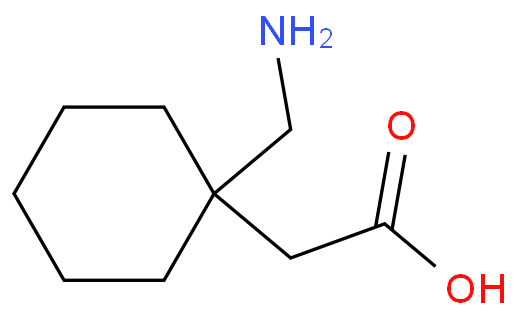
Gabapentin, with the chemical formula C9H17NO2 and CAS number 60142-96-3, is a medication primarily used to treat neurological conditions, including seizures and neuropathic pain.
Tramadol, with the chemical formula C16H25NO2 and CAS number 27203-92-5, is an opioid analgesic often prescribed for moderate to severe pain, including post-surgery pain or chronic conditions such as arthritis.
Gabapentin and Tramadol are both significant drugs in the realm of pain management, with distinct uses and mechanisms of action. While both are effective for pain relief, they target different pain pathways and are used in different clinical scenarios. Gabapentin is primarily used for neuropathic pain, whereas Tramadol is used for moderate to severe pain, typically in cases involving inflammation or injury.


Both Gabapentin and Tramadol are synthesized using organic chemical processes, with Gabapentin being derived from a cyclic compound and Tramadol being synthesized through a series of chemical transformations involving benzene derivatives. Despite differences in their synthetic routes, both drugs require precise manufacturing processes to ensure purity and effectiveness.
Gabapentin and Tramadol, while both effective for pain relief, are used in different clinical settings based on the nature and severity of the pain being treated. Gabapentin is typically prescribed for nerve pain, such as neuropathy or postherpetic neuralgia, while Tramadol is often used for moderate to severe pain, including musculoskeletal or post-surgical pain.
When comparing gabapentin vs tramadol dogs, it's important to consider the type of pain your dog is experiencing. For nerve-related pain, gabapentin is the more suitable option due to its specific action on the nervous system. If your dog is recovering from surgery or suffering from conditions like arthritis or osteoarthritis, tramadol may be the better choice due to its broader, opioid-based pain relief. Often, veterinarians will combine both medications, using gabapentin to address nerve pain and tramadol to provide more generalized relief.

Gabapentin is primarily used to treat neuropathic pain, a type of pain caused by nerve damage. Conditions such as diabetic neuropathy and postherpetic neuralgia are common indications for Gabapentin. It works by modulating the neurotransmitters that transmit pain signals in the nervous system, helping to reduce sensations of pain and discomfort. Gabapentin is also used to manage seizures in patients with epilepsy, further demonstrating its broad application in neurological conditions. It is well tolerated by most patients, although it can cause side effects such as dizziness, fatigue, and weight gain.
Gabapentin is increasingly used in the management of fibromyalgia and chronic pain conditions, often in combination with other medications to address complex pain syndromes. It helps alleviate nerve-related pain by modifying the way the brain processes pain signals, providing relief for conditions like diabetic neuropathy and post-herpetic neuralgia. When considering the use of Gabapentin for neuropathic pain, it is essential to tailor the dosage based on the patient's condition, response to treatment, and potential side effects to optimize efficacy and minimize adverse reactions.
Tramadol is used for the relief of moderate to severe pain, often following surgery or in cases of chronic pain due to conditions such as osteoarthritis. As an opioid analgesic, Tramadol works by binding to opioid receptors in the brain and spinal cord, blocking the transmission of pain signals. It is commonly prescribed in both short-term and long-term treatment regimens, particularly for patients who cannot tolerate stronger opioids. However, due to its opioid nature, it carries the risk of dependence, addiction, and withdrawal symptoms, making careful monitoring crucial.
Tramadol is also used in the management of pain in dogs, particularly in post-surgical recovery or for chronic pain conditions like arthritis. When used in veterinary medicine, the dosage and administration of Tramadol must be carefully adjusted to ensure safety and effectiveness.
In summary, Gabapentin and Tramadol are both valuable tools in the management of pain, but they are suited to different types of pain. Gabapentin is ideal for treating neuropathic pain and managing seizures, while Tramadol is better suited for moderate to severe pain, especially in cases of injury or surgery. Both medications require careful dosing and monitoring, particularly in long-term use, due to potential side effects and risks associated with their use.
| Side Effect |
Gabapentin |
Tramadol |
|---|---|---|
| Dizziness | Common, may cause drowsiness or dizziness | Less common, but may cause dizziness, drowsiness |
| Gastrointestinal Issues | Occasionally causes nausea, weight gain | Common, can cause nausea, constipation, or vomiting |
| Dependence and Addiction | Unlikely, low risk of dependence | Risk of dependence, withdrawal symptoms if stopped suddenly |
| Respiratory Depression | Unlikely to cause respiratory depression | Possible, especially in high doses or with other sedatives |
| Kidney Strain | Rare, but should be used cautiously in individuals with kidney issues | Risk of kidney strain with long-term use |
When choosing between Tramadol vs Gabapentin for your health, it’s important to consider the type of pain you’re experiencing and any underlying conditions you may have. Gabapentin is especially beneficial for treating nerve-related pain, such as that caused by diabetes, shingles, or fibromyalgia. Its mechanism of action involves modulating neurotransmitters in the nervous system, which can help to reduce the sensation of neuropathic pain. Additionally, Gabapentin is less likely to cause dependence, making it a safer option for long-term use.
In contrast, Tramadol is more effective for managing moderate to severe pain, especially in cases involving acute injuries or post-surgical recovery. As an opioid analgesic, Tramadol works by binding to opioid receptors in the brain and spinal cord, blocking pain signals. However, because of its opioid properties, Tramadol carries a risk of dependence, addiction, and withdrawal symptoms. This makes it less suitable for long-term use in chronic pain management.
Ultimately, if you are dealing with chronic nerve pain or conditions such as epilepsy, Gabapentin is the superior choice for its safety and efficacy in managing neurological disorders. However, if you need to manage more intense or short-term pain, such as after surgery or a significant injury, Tramadol may be the better option, but it should be used with caution due to the risk of dependence.
*For optimal results and to ensure that you are taking the appropriate medication for your condition, it is highly recommended to follow the guidance of your healthcare provider. They can help you determine the most suitable treatment based on your specific health needs and medical history.
If you're looking to purchase Gabapentin or Tramadol, Guidechem is your go-to platform for sourcing high-quality raw materials and reliable suppliers. With our extensive global network, we connect you to a wide range of Gabapentin suppliers, ensuring you find the right products to meet your specific health or research needs. Whether you are in the pharmaceutical industry or require these compounds for research, Guidechem simplifies the sourcing process, offering verified supplier information, competitive pricing, and seamless communication.
[1]The Role of Gabapentin in Pain Management by A. S. Thompson.
[2]Tramadol as an Analgesic: Mechanisms and Effects by R. M. McGuire.
[3]Neuropathic Pain Management with Gabapentin in Journal of Pain Research.
[4]The Use of Tramadol in Chronic Pain Treatment in Pain Management Nursing.
[5]Tramadol and the Risk of Opioid Dependence by C. K. Williams.
 |
 |
 |



 2YRS
2YRS


