
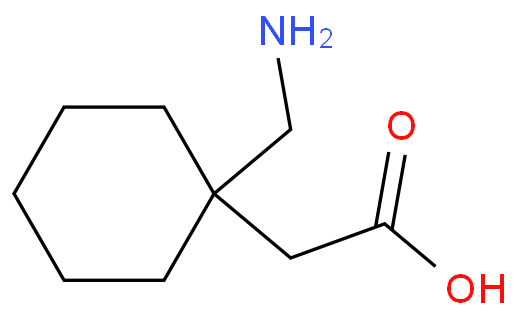
Gabapentin, with the chemical formula C9H17NO2 and CAS number 60142-96-3, is an anticonvulsant medication primarily used to prevent seizures and manage nerve-related pain, including post-herpetic neuralgia. It is also prescribed off-label for anxiety disorders.
Xanax, with the chemical formula C17H13ClN4 and CAS number 28981-97-7, is a benzodiazepine used to treat anxiety disorders and panic attacks. It works by affecting the central nervous system to reduce excessive neural activity, promoting relaxation and reducing anxiety.
Gabapentin and Xanax are both commonly prescribed to treat anxiety, yet they function differently within the body. Gabapentin, though used off-label for anxiety, is primarily an anticonvulsant and is considered safer for long-term use compared to Xanax. Xanax, on the other hand, is effective for short-term anxiety relief but carries a higher risk of dependency and withdrawal symptoms.


Both gabapentin and Xanax involve complex chemical synthesis routes, though gabapentin is derived from a cyclohexane ring structure, while Xanax is based on a benzodiazepine scaffold, each providing their distinct therapeutic effects.
Gabapentin and Xanax are both used for managing anxiety, but they have different primary applications and safety profiles. Gabapentin, with its anticonvulsant properties, is effective for long-term anxiety management, whereas Xanax is typically used for short-term anxiety relief due to its higher potential for dependence and addiction.

Gabapentin, originally developed as an anticonvulsant, is widely used to treat conditions such as seizure disorders and neuropathic pain, particularly post-herpetic neuralgia. However, its off-label use for anxiety has grown significantly due to its calming effects on the nervous system. Gabapentin works by modulating the GABA neurotransmitter system, although its exact mechanism in treating anxiety is not entirely understood. What is clear is that gabapentin has a more favorable safety profile compared to Xanax, particularly for long-term use. Unlike Xanax, which is known for its potential for abuse and dependence, gabapentin carries a lower risk of addiction, making it a preferred option for individuals who need ongoing anxiety management.
Gabapentin has also been shown to be effective in improving sleep, especially for individuals suffering from conditions such as restless leg syndrome, generalized anxiety disorder (GAD), or chronic pain. It helps improve sleep quality by reducing anxiety and calming the nervous system without the high risk of dependency associated with medications like Xanax. Unlike Xanax, which can induce tolerance and sedation with prolonged use, gabapentin’s effects on sleep are generally milder and more sustainable for long-term use. For those struggling with both anxiety and sleep disturbances, gabapentin can provide a dual benefit, offering relief from anxiety while promoting better rest.
When considering gabapentin and Xanax for sleep, gabapentin often emerges as a more appropriate choice for individuals who need a longer-term solution for sleep issues related to anxiety or chronic conditions, as it does not carry the same risk of dependence or withdrawal symptoms associated with Xanax.
Xanax, a fast-acting benzodiazepine, is typically prescribed for the short-term relief of anxiety symptoms and panic attacks. Its rapid onset of action makes it highly effective for individuals who need immediate relief from intense anxiety or a panic episode. By enhancing the effects of GABA, a neurotransmitter that inhibits neural activity in the brain, Xanax works quickly to calm the nervous system, providing rapid relief from anxiety. However, this quick action also comes with significant risks.
Xanax is known to have a high potential for tolerance, dependence, and withdrawal symptoms, which is why it is generally recommended only for short-term use. It is especially important for individuals with a history of substance abuse to approach Xanax with caution, as the risk of misuse is elevated. While Xanax can provide much-needed relief during acute episodes, its long-term use is not recommended due to these risks.
For those seeking relief from both anxiety and sleep disturbances, Xanax may seem like an attractive option because of its sedative effects. However, as the medication can cause tolerance and dependency over time, it is not typically recommended for long-term sleep management. In the context of gabapentin vs Xanax for sleep, while Xanax may be effective in inducing sleep in the short term, gabapentin offers a safer, more sustainable alternative for individuals who require ongoing treatment for anxiety and sleep disorders.
In conclusion, gabapentin is an effective medication for long-term management of anxiety, particularly for individuals who are also dealing with other neurological conditions such as seizures or nerve pain. It is considered safer for long-term use compared to Xanax, which is best suited for short-term relief of acute anxiety or panic attacks. While both drugs are useful in managing anxiety, gabapentin's lower risk of dependence makes it a more sustainable option for those seeking long-term treatment.
| Side Effect |
Gabapentin |
Xanax |
|---|---|---|
| Drowsiness | Possible, especially when starting treatment | Common, may cause drowsiness and sedation |
| Dependence Risk | Low, generally considered non-habit forming | High, may lead to tolerance and dependence |
| Cognitive Impairment | Rare, but can cause memory problems in some individuals | Common, may cause cognitive impairments and memory loss |
| Withdrawal Symptoms | Unlikely with gradual dose reduction | Common, withdrawal can be severe |
| Overdose Risk | Low, but overdose can cause respiratory depression | High, overdose may lead to severe respiratory depression and coma |
When deciding between Gabapentin and Xanax for your health, it’s crucial to consider your specific medical needs, the nature of your condition, and the potential side effects. Gabapentin, while primarily used for treating seizures and nerve pain, has gained popularity as an off-label treatment for anxiety. Its non-habit-forming nature and lower risk of addiction make it a safer long-term option for anxiety management, especially in individuals who are concerned about the potential for dependence. Gabapentin is also useful for treating conditions like post-herpetic neuralgia and restless leg syndrome, making it a versatile medication.
In contrast, Xanax (alprazolam) is a benzodiazepine that works rapidly to reduce anxiety and is commonly prescribed for short-term management of anxiety disorders and panic attacks. However, Xanax is habit-forming and can lead to dependence, especially with long-term use. It’s highly effective for acute anxiety episodes but should be used with caution due to the risk of tolerance, dependence, and withdrawal symptoms. Xanax is generally not recommended for long-term use due to these potential risks.
Ultimately, if you are looking for a long-term solution for anxiety without the risk of dependence, Gabapentin is the better choice. It is safer for prolonged use, and its off-label use for anxiety is supported by evidence showing fewer withdrawal symptoms compared to Xanax. However, if immediate relief from severe anxiety or panic attacks is needed, Xanax may be more effective in the short term, but it should be used under strict medical supervision to avoid dependency issues.
*For optimal results and to ensure that you are taking the appropriate medication and dosage, it is highly recommended to follow the guidance of your healthcare provider. They can help you determine the most suitable option based on your specific health requirements and any underlying medical conditions.
If you're looking to purchase these compounds, Guidechem is your go-to platform for sourcing high-quality raw materials and reliable suppliers. With our extensive global network, we connect you to a wide range of Gabapentin suppliers, ensuring you find the right products to meet your specific research or production requirements. Whether you're in pharmaceuticals, food additives, or other industries, Guidechem simplifies the sourcing process, offering verified supplier information, competitive pricing, and seamless communication.
 |
 |
 |



 2YRS
2YRS


