
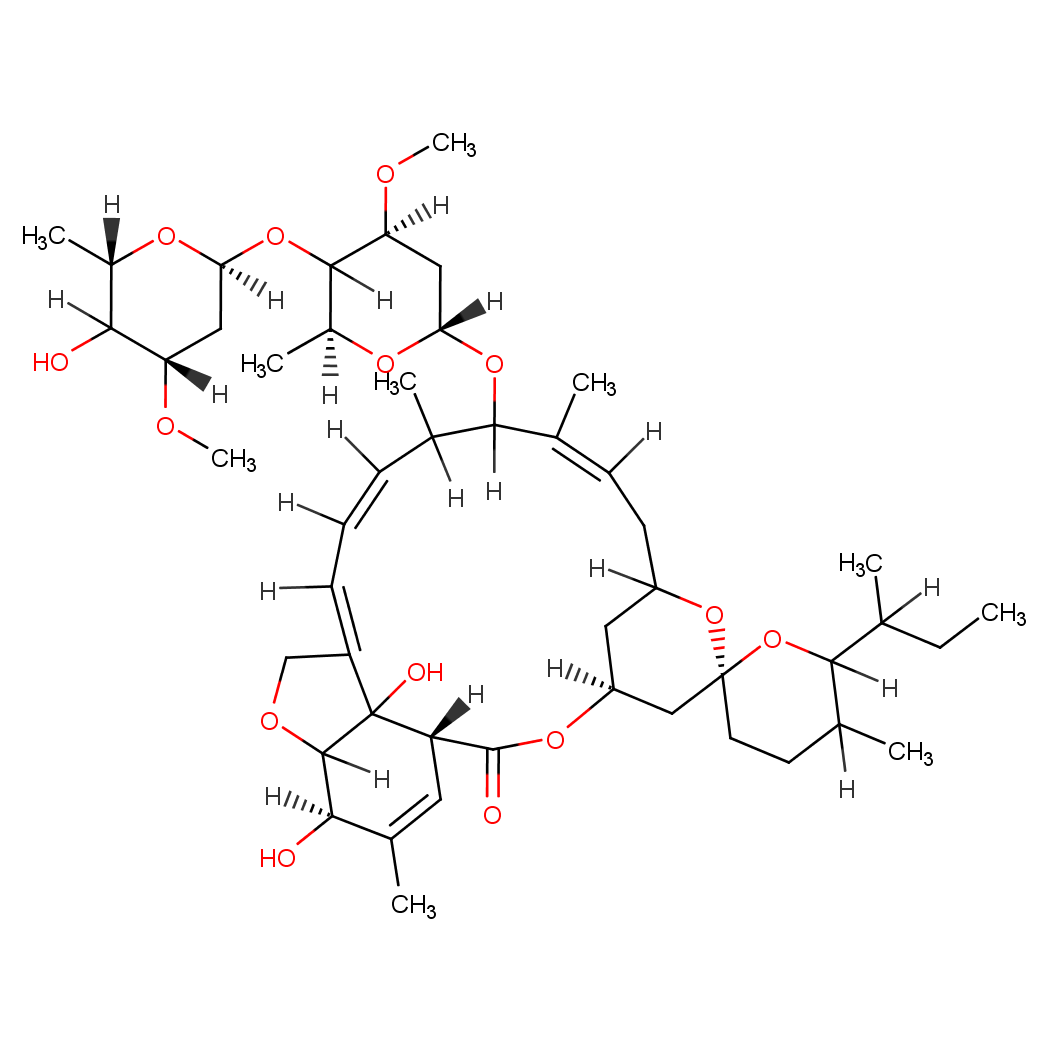
Ivermectin, with the chemical formula C48H74O14 and CAS number 70288-86-7, is an antiparasitic drug that has been used for several decades to treat various parasitic infections in both humans and animals. Initially discovered in 1975, it was first used in veterinary medicine to prevent and treat heartworm and acariasis. Approved for human use in 1987, Ivermectin is effective against head lice, scabies, river blindness (onchocerciasis), strongyloidiasis, trichuriasis, ascariasis, and lymphatic filariasis. It works through multiple mechanisms to kill targeted parasites, and can be administered orally or applied topically for external infestations.
Hydroxychloroquine, with the chemical formula C18H26ClN3O and CAS number 118-42-3, is primarily used to treat malaria, particularly in regions where malaria remains sensitive to chloroquine. Hydroxychloroquine is also used to manage rheumatoid arthritis, lupus, and porphyria cutanea tarda. It is taken orally, typically in the form of hydroxychloroquine sulfate. Common side effects include vomiting, headache, blurred vision, and muscle weakness. Severe side effects can include allergic reactions, retinopathy, and irregular heart rate. Hydroxychloroquine belongs to the antimalarial and 4-aminoquinoline families of medication.
Ivermectin and Hydroxychloroquine are two distinct medications with unique applications in human and veterinary medicine. Ivermectin is a potent antiparasitic agent that targets a wide range of parasites, whereas Hydroxychloroquine is an antimalarial drug that is also used in the treatment of autoimmune conditions. Despite their different primary uses, both medications have been explored for additional applications, especially in the context of infectious diseases and inflammatory conditions.
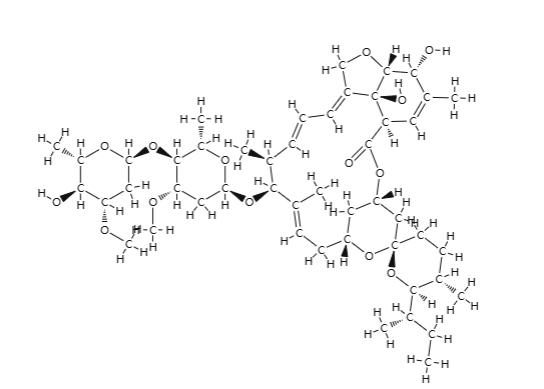

Both Ivermectin and Hydroxychloroquine undergo extensive chemical synthesis, though their starting materials and end products differ significantly. Ivermectin's synthesis focuses on modifying natural products derived from bacteria, while Hydroxychloroquine involves the chemical modification of chloroquine to enhance its therapeutic properties.
Both Ivermectin and Hydroxychloroquine have proven indispensable in the medical field for their ability to target specific diseases. Despite their shared utility in combating health challenges, their therapeutic applications and mechanisms of action differ substantially. Ivermectin is primarily renowned as an antiparasitic agent, whereas Hydroxychloroquine is widely recognized for its effectiveness against malaria and its role in managing autoimmune disorders.

Ivermectin has gained global recognition as a highly effective treatment for a wide variety of parasitic infections. Its primary uses include addressing conditions such as head lice, scabies, river blindness (onchocerciasis), strongyloidiasis, trichuriasis, ascariasis, and lymphatic filariasis. Ivermectin works by binding to ion channels in the parasites’ nervous systems, disrupting their neural functions and causing paralysis and death. This targeted mechanism ensures that the drug is both effective and safe for humans. Furthermore, Ivermectin’s versatility is evident in its availability in both oral and topical formulations, making it an accessible option for treating infections across different settings. In addition to its role in human medicine, it is extensively employed in veterinary practices to protect livestock and pets from parasitic infestations. Its proven efficacy, ease of use, and broad-spectrum activity have made it a cornerstone treatment in regions where parasitic diseases are prevalent.
Hydroxychloroquine, on the other hand, has a diverse range of applications, primarily in the treatment of malaria and autoimmune disorders. Its antimalarial effects are particularly valuable in regions where malaria remains a significant public health concern. By disrupting the parasite’s ability to digest hemoglobin, Hydroxychloroquine halts the lifecycle of the Plasmodium species, preventing disease progression. Its use in malaria prophylaxis and treatment has made it a mainstay medication in endemic areas, contributing to efforts to combat this life-threatening disease.
Beyond malaria, Hydroxychloroquine has garnered attention for its role in managing chronic autoimmune diseases such as rheumatoid arthritis and systemic lupus erythematosus (SLE). The drug’s ability to modulate the immune system and reduce inflammation has transformed the treatment landscape for these conditions, offering patients improved quality of life. It is particularly valuable for long-term use due to its well-documented safety profile, even during pregnancy, making it an essential option for managing autoimmune conditions in vulnerable populations.
In recent years, Hydroxychloroquine’s versatility has been explored in other inflammatory and immune-mediated disorders, solidifying its status as a multipurpose therapeutic agent. Its inclusion in treatment regimens for diseases with limited options reflects its adaptability and broad-spectrum potential.
In summary, Ivermectin and Hydroxychloroquine are both highly effective drugs, but they serve very different purposes. Ivermectin is an essential antiparasitic agent, while Hydroxychloroquine is crucial for malaria prevention and the treatment of autoimmune diseases. While they share similarities in their broad range of applications, they are best used according to the specific needs of the patient.
| Side Effect |
Ivermectin |
Hydroxychloroquine |
|---|---|---|
| Digestive Issues | Rare, may cause mild nausea or abdominal discomfort | Common, may cause nausea or stomach upset |
| Vision Problems | Rare, can cause vision disturbances in some cases | Severe, may cause retinopathy or blurred vision |
| Allergic Reactions | Rare, could include rash or swelling | Rare, could include rash, difficulty breathing, or swelling |
| Kidney or Liver Issues | Rare, but should be used cautiously in individuals with liver conditions | Risk of liver toxicity, especially with prolonged use |
When considering whether Ivermectin or Hydroxychloroquine is best for your health, it's essential to understand their specific applications and the conditions they are designed to address. Ivermectin is primarily recognized for its antiparasitic properties, making it highly effective in treating parasitic infections such as river blindness and scabies. Its proven safety profile and efficacy in such treatments make it a valuable option for these specific health needs. Additionally, Ivermectin has been studied for potential off-label applications, though these uses should be pursued under strict medical supervision.
On the other hand, Hydroxychloroquine is widely used for autoimmune conditions like lupus and rheumatoid arthritis, owing to its immunomodulatory effects. It is also an established treatment for malaria, particularly in regions where chloroquine-resistant strains are prevalent. However, Hydroxychloroquine requires careful monitoring due to potential side effects such as retinal toxicity with prolonged use. It is better suited for individuals needing long-term management of autoimmune diseases or specific malaria treatment protocols.
Ultimately, if targeting parasitic infections with a proven track record is your goal, Ivermectin is the superior choice. However, if managing autoimmune conditions or malaria is the priority, Hydroxychloroquine offers tailored benefits. Consulting a healthcare provider is crucial to ensure the most effective and safe option based on your individual health needs and medical history.
*For the best outcomes, always follow the guidance of your healthcare provider. They can help determine the appropriate medication and dosage based on your specific condition and medical history, ensuring safe and effective treatment. Regular follow-ups are crucial to monitor progress and adjust the treatment plan as needed.
If you're looking to purchase these compounds, Guidechem is your go-to platform for sourcing high-quality raw materials and reliable suppliers. With our extensive global network, we connect you to a wide range of Ivermectin suppliers and Hydroxychloroquine suppliers, ensuring you find the right products to meet your specific research or production requirements. Whether you're in pharmaceuticals, chemical manufacturing, or other industries, Guidechem simplifies the sourcing process, offering verified supplier information, competitive pricing, and seamless communication.
[1]Ivermectin: A Broad Spectrum Antiparasitic Agent by G. F. Burgess.
[2]Hydroxychloroquine: Pharmacology and Use in Malaria by M. D. Leung.
[3]Hydroxychloroquine in the Treatment of Autoimmune Disorders in Journal of Rheumatology.
[4]Antiparasitic Effects of Ivermectin in Veterinary and Human Medicine in Parasite Control.
 |
 |
 |



 2YRS
2YRS


